


Who is a Pathology Laboratory Technician?
Pathology laboratory techniques program is a 2-year department and the aim is to train qualified pathology laboratory technicians who can work directly in pathology and cytology laboratories in graduation environment.
What is the Purpose of the Pathology Laboratory Techniques Program?
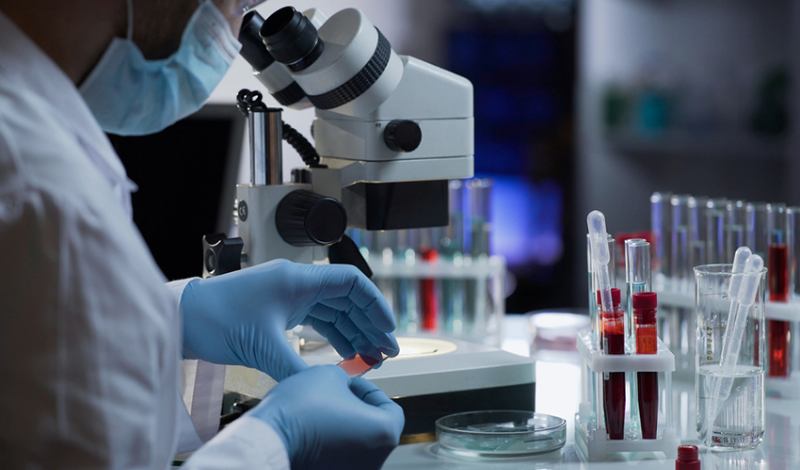
Knowing all the procedures that will be applied in delivering the organ-tissue and fluid samples taken from the patient to the laboratory, conducting the technical works in the process until the microscope stage in the laboratory, delivering the prepared preparations to the pathologist, having the knowledge and skills to perform the necessary procedures, To train technicians who can control and follow developments in the field of health, who have knowledge and skills about research pathology.
What are the lessons taught in the Pathology Laboratory Techniques Program?
Anatomy –Physiology, Histology, General Microbiology, Basic Concepts in Pathology, General Chemistry, Disease Information, Ataturk's Principles and History of Revolution I, Turkish Language I, English I, University Culture I, General Histotechnology, Laboratory Safety, Device and Care Used in Pathology, Ataturk's Principles and History of Revolution II, Turkish Language II, English II, University Culture II, Summer Practice, Application of Pathology Laboratory Techniques I, Cytotechnology I, Macroscopic Dissection, Cytotechnology II, Molecular Pathology, Forensic Pathology, First Aid, Pathology Laboratory Techniques Practice II.
What are the Employment Areas of Pathology Laboratory Techniques?
Candidates who graduated from the Pathology Laboratory Techniques Program; It can work in pathology and cytology laboratories of university hospitals, state hospitals and private hospitals, forensic medicine pathology laboratories, histology laboratories of medical faculties, molecular pathology laboratories and companies that supply materials and equipment to laboratories.
Frequently Asked Questions
What is the Pathology Laboratory Techniques Program?
The Pathology Laboratory Techniques Program is a two-year associate degree program designed to educate technicians who are qualified to work directly in pathology and cytology laboratories after graduation. The program prepares students to ensure the proper transportation of organ, tissue, and fluid specimens collected from patients to the laboratory; perform all technical procedures required from specimen receipt through slide preparation before microscopic examination; deliver prepared slides to pathologists; maintain and improve laboratory quality assurance systems; contribute to research pathology; and keep up to date with developments in the healthcare field.
Pathology Laboratory Techniques Program Courses and Curriculum Details
The curriculum of the Pathology Laboratory Techniques Program at the Üsküdar University Vocational School of Health Services includes courses such as Anatomy, Physiology, Histology, General Microbiology, Fundamental Concepts in Pathology, General Chemistry, Medical Knowledge, General Histotechnology, Laboratory Safety, Pathology Laboratory Equipment and Maintenance, Pathology Laboratory Techniques Practice I, Cytotechnology I, Macroscopic Dissection, Cytotechnology II, Molecular Pathology, Forensic Pathology, First Aid, and Pathology Laboratory Techniques Practice. These courses provide students with a comprehensive understanding of pathology laboratory procedures while developing the technical knowledge and practical skills required for professional practice.
What Are the Career Opportunities for Pathology Laboratory Techniques Program Graduates?
Graduates of the Pathology Laboratory Techniques Program at the Üsküdar University Vocational School of Health Services may work in pathology and cytology laboratories of university hospitals, public hospitals, and private hospitals, pathology laboratories within forensic medicine institutions, histology laboratories of medical faculties, molecular pathology laboratories, and companies that supply laboratory equipment and materials.


