

Üsküdar Üniversitesi Faculty of Health Sciences The “V. Multidisciplinary Approach to Specific Learning Difficulties” symposium was organized under the leadership of Prof. Dr. Sevda Asqarova, Head of the Dyslexia Club and the Occupational Therapy Department. Many expert speakers in their fields participated in the event.
Content
The 5th Multidisciplinary Approach to Specific Learning Difficulties Symposium Was Held!
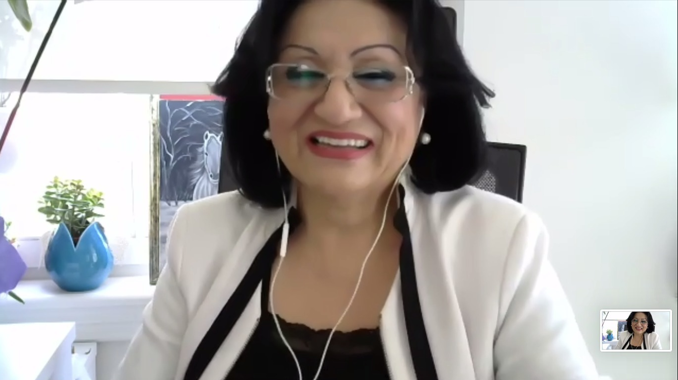
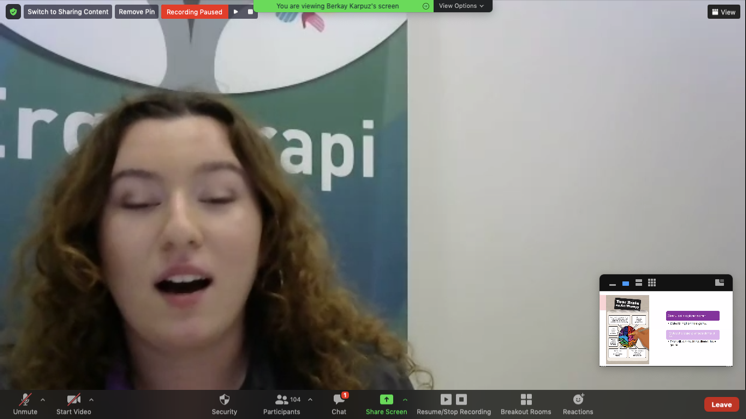
The symposium, which was attended by numerous academicians and students from many different universities, was moderated by Berkay Karpuz, President of the Üsküdar Üniversitesi Occupational Therapy Club, and Şevval Ateş, President of the Positive Adaptation in Occupational Therapy Club.
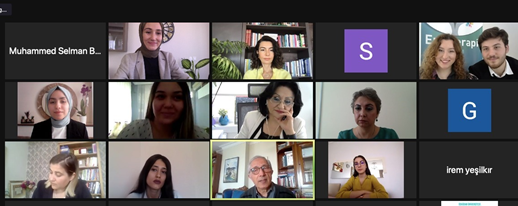
The opening speeches were delivered by Serra Korkmaz, Club President, and Sertaç Geren and Erva Nur Kurt, Club Vice Presidents, all members of the Üsküdar Üniversitesi Dyslexia Club Board of Directors.
“The Multidisciplinary Approach to Specific Learning Difficulties Symposium Has Become a Tradition”
Club members stated that they have organized many wonderful events since the day the Dyslexia Club was established; “Since the club opened, we have organized many beautiful events. We opened a workshop at our school and carried out various activities there. Afterwards, we invited guests diagnosed with dyslexia to our workshop and conducted some studies. We are happy to realize the 5th Multidisciplinary Approach to Specific Learning Difficulties Symposium with you today, which has filled staircases during our in-person symposiums and garnered great interest during our online events.”
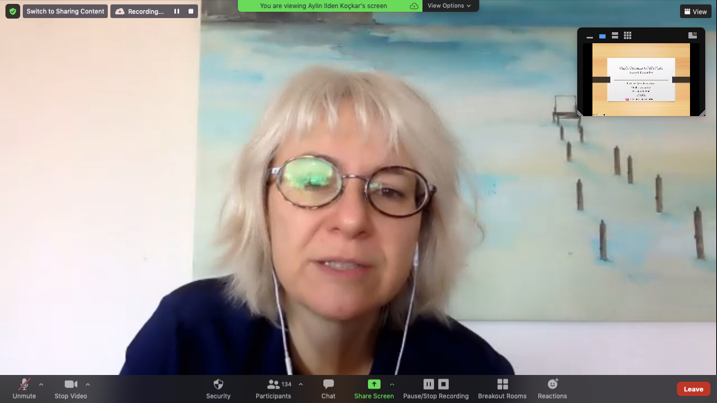
“Learning difficulty is a type of skill deficit”
Prof. Dr. Aylin İlden Koçkar, chair of the first session, speaking under the title "Socio-Emotional Skills in Specific Learning Difficulties," said: "These are deficiencies in social information processing, problem-solving, understanding humor, understanding facial expressions and complex emotions, social cues, social cognition, and social skills. It also reports that children with specific learning difficulties have less closeness within the family and more communication problems. They have lower social intelligence skills.”
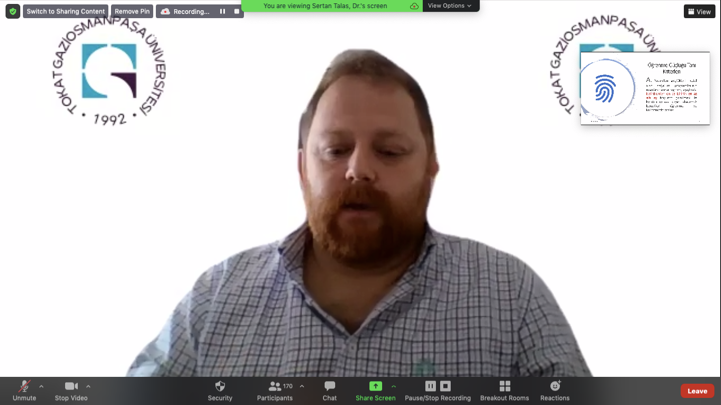
“Occupational therapy is an indispensable discipline for special educators”
Dr. Lecturer Sertan Talas, addressing the topic of "Learning Difficulties and an Overview of Occupational Therapy," stated: "According to DSM-5, specific learning disorder is a neurodevelopmental disorder that hinders the learning and use of specific academic skills such as reading, writing, and arithmetic, which form the basis for other academic learning. In terms of self-care, children may need less support compared to other special needs groups. However, a significant responsibility falls on occupational therapists in the context of productivity and leisure activities.”
“Every child is special and unique”
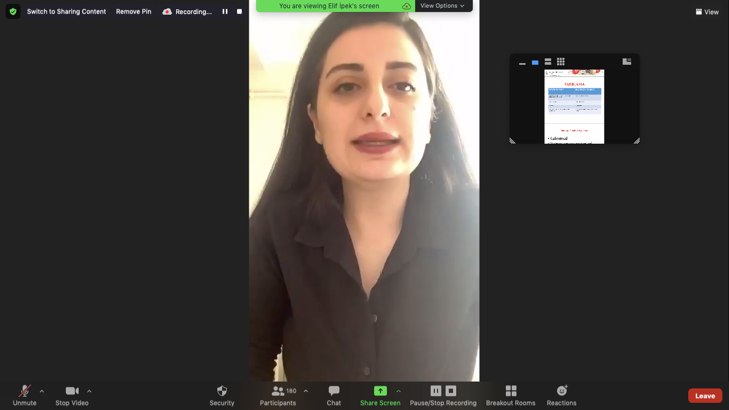
Child Development Specialist Elif İpek Tutuş, expressing her views on diagnosis in specific learning, said: "Specific learning difficulties can stem from hereditary, prenatal, or postnatal causes. The first medical diagnosis was made by the American Psychiatric Association. The most important treatment and evaluation method in this field is education. Peer teaching and collaborative teaching are used in education. In the academic field, attention, perception, memory, language/reading, and spatial awareness are among the affected factors."
“Information processing theory focuses on two basic elements”
Occupational Therapist Özge Özgenç Gür, discussing "Information Processing in Specific Learning Difficulties," said: "The first is sensory registration, short-term memory/working memory, and long-term memory. The second involves cognitive processes. These are internal mental actions that allow information to pass from one structure to another. Some information entering sensory registration is discarded, some is perceived in short-term memory. With the help of certain processes, information moves into long-term memory. When information is needed, it is retrieved from long-term memory."
“Within this diversity, there are many gifts as well as challenges”
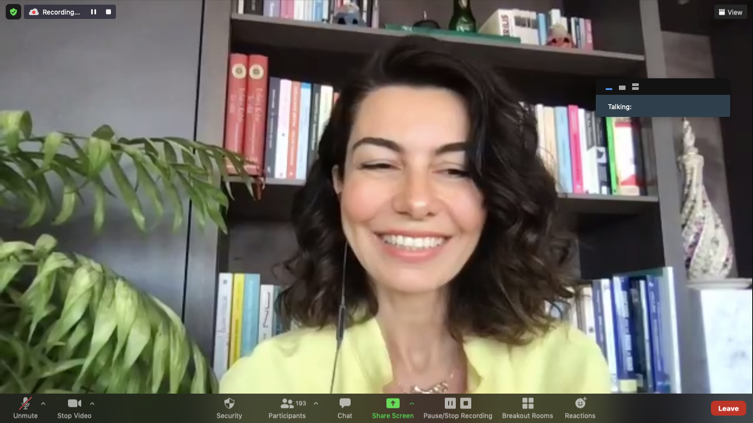
ICF Executive and Leadership Coach MBA, PCC, ACPC Berna Pınar Tunç stated in her speech titled "Why Is Being Special So Difficult?": "We know the difficulties caused by dyslexia. But among all the knowledge we have, the best thing is that dyslexia is not a barrier; dyslexia is a diversity, and within this diversity, there are many gifts as well as challenges.”
“Children may have some deficiencies due to the language of instruction”
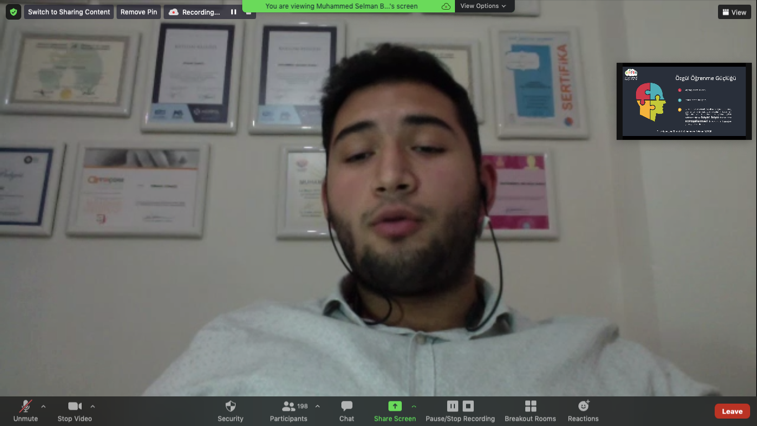
Dkt. Muhammed Selman Babar, addressing specific learning difficulties from a speech and language therapy perspective, said: "What is specific learning difficulty not? It is not acquired. Specific learning difficulty is neurodevelopmental. We should not regard it as an acquired intellectual disability or view it from that perspective. It is not a disorder that indicates intellectual disability. It is not a temporary condition; it is a lifelong condition. It does not stem from deficiencies in the language of instruction. For example, we receive Turkish education, but when we go abroad, we receive English education. In such situations, children may have certain deficiencies due to the language of instruction. We should not attribute this to specific learning difficulty.”
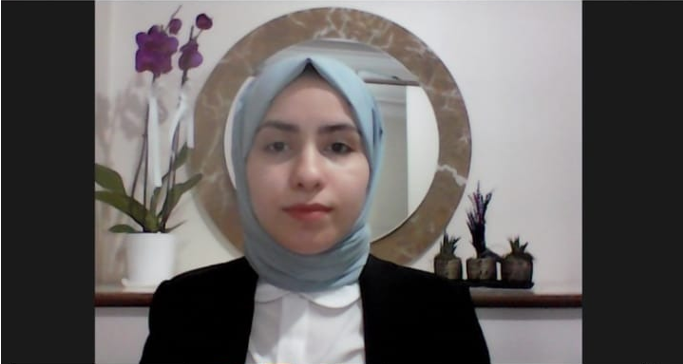
“Occupational therapists aim for individuals with learning difficulties to be more independent in daily life”
Occupational Therapist Melike Şahan, discussing "Occupational Therapy and Sensory Integration Approaches in Specific Learning Difficulties," stated: "The first condition for diagnosing a child with learning difficulties with a specific learning difficulty is that the child's intelligence must be normal or above normal. Individuals diagnosed with dyslexia show much more intense activation in their frontal regions compared to non-dyslexic individuals, while their occipital and parietal regions show much less activation. The intense activation of the frontal region indicates that these children have much stronger imagination skills. The low activation of the occipital and parietal regions indicates that these children may experience problems in academic skills such as reading and writing. It has also been determined that individuals diagnosed with dyslexia have significantly less gray and white matter density in their left parietotemporal regions. Occupational therapy and sensory integration interventions can be used in the treatment of children and adults diagnosed with specific learning difficulties."
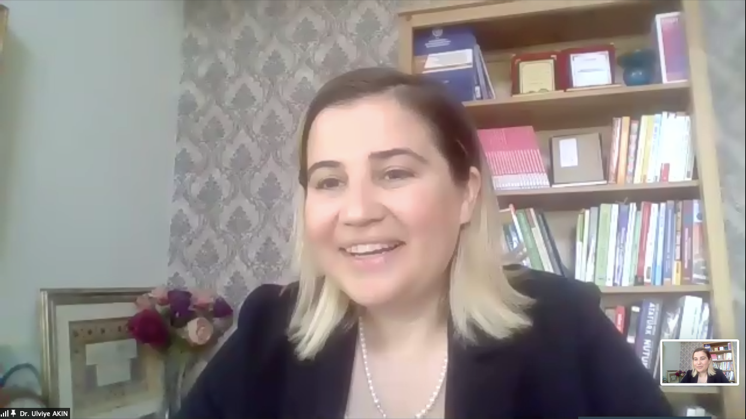
“With good guidance, they can achieve great success”
Dr. Lecturer Ulviye Akın, discussing "The Effect of Family Attitudes on Children with Specific Learning Difficulties," said: "Coping with dyslexia may not be easy for our families at first. Because our families may have struggled to understand or accept dyslexia. In my clinical observations, fathers find it a bit harder to accept. Mothers can cope much more quickly. Overcoming the thorny paths of dyslexia and reaching a rose garden takes time, or may have taken time. But I always tell our families this: after seeing many successful consultants who have won international schools, I realized this: yes, when we start, families don't know what to do and struggle a lot. But with good guidance, they can truly achieve great success.”
“Children's intrinsic motivation is very important”
İsa Kör, addressing "Approaches to Skill Deficits in Specific Learning Difficulties," stated: "In children with learning difficulties, we generally observe excessive self-confidence but a lack of social self-confidence. Families sometimes use this term without a diagnosis, thinking their children are gifted. This has both pros and cons.” Kör emphasized that it is very important for families to be informed in detail about what these widespread developmental disorders are; “We inform the family, but I don't really like children being labeled with these names; especially in my interviews, I see that children do not participate in many activities I want them to do by saying 'I can do this.' Children's intrinsic motivation is also very important. When children and families face any difficulty without a diagnosis, many children do not show sufficient effort by speaking with prejudice, saying 'Yes, I will also be dyslexic'.”
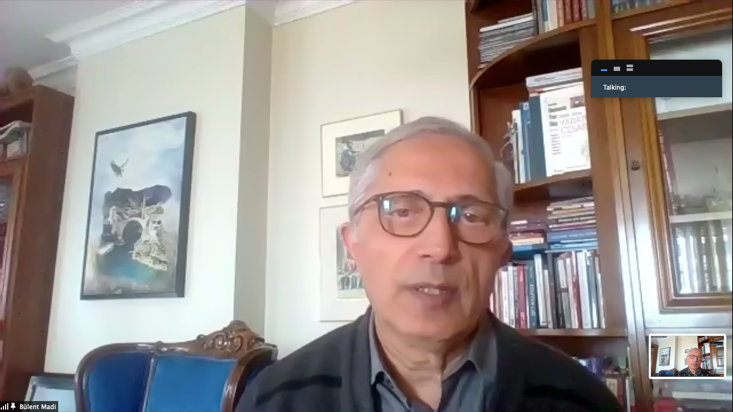
“It's a comprehensive symposium from America to Bursa”
Third session chair Bülent Madi delivered a presentation on "Movement, Art, Music in Occupational Therapist Education." Madi said: "Occupational therapy joined us a bit late, but I particularly want to congratulate Üsküdar Üniversitesi for its work in neuroscience." He also stated that babies' body and brain development begins in the third week of pregnancy, and as development progresses over time, complex systems emerge, leading to adaptation.
“Doing what they love increases their focus”
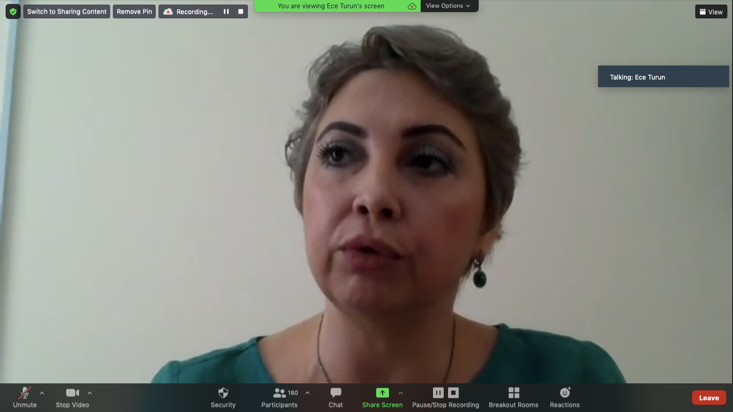
Ece Türün, addressing the topic "ADHD, Learning Difficulties, and Current Developments," emphasized that allowing children to do what they love increases their focus, while forcing them to do a task leads to attention problems and consequently, issues in their inhibitory control systems. She stated that children diagnosed with ADHD experience their emotions very intensely, which can lead to temper tantrums. She noted that approaches applied to children with ADHD and Specific Learning Difficulties should focus on positive aspects.
“Adopting the principle of evidence-based practice is important”
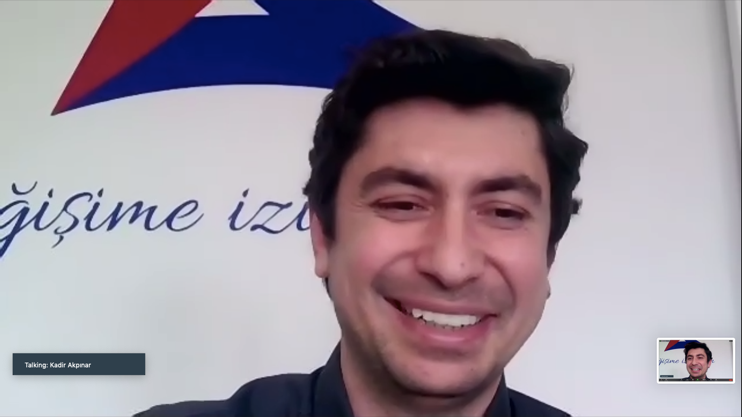
Mr. Kadir Akpınar, addressing the topic "Music Therapy in Pervasive Developmental Disorders," stated that if therapy is involved in music therapy, the studies conducted must be scientific and adhere to the principle of evidence-based practice. Akpınar also provided a research example demonstrating that rhythm-based active music therapy studies in children with autism spectrum disorder have been proven to improve skills such as imitation, synchronous adaptation, social communication, perceptual-motor skills, behavioral skills, listening, and applying what is heard.
“A child's optimal daily living skills are related to memory and organization”
Berfin Demirci, addressing "The Effectiveness and Importance of Occupational Therapy Interventions in Dyslexia," spoke about the strengths of children with dyslexia, drawing from her clinical experiences in the field of pediatrics. She emphasized that every individual is very special within themselves, and therefore, interventions should be person-centered. She stated that identifying an individual's interests for activity participation in occupational therapy would lead to more effective results in the intervention. She noted that a child's optimal daily living skills are related to memory and organization. She also explained how independence in daily life reflects on academic skills.
“Dyslexia has reading, decoding, and comprehension dimensions"
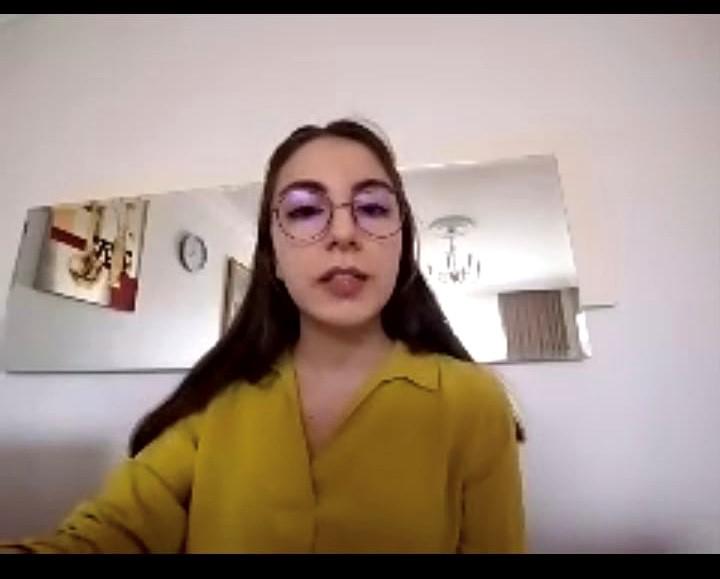
Sevilay Tunç began her presentation by defining learning difficulties as a neurodevelopmental disorder in DSM-V (Diagnostic and Statistical Manual of Mental Disorders V), generally addressed in three types, the first of which is dyslexia, also known as reading difficulty. She stated, "Dyslexia has reading, decoding, and comprehension dimensions," and our speaker, while explaining the characteristics of dyslexic children during their school years with examples, highlighted the importance of these observations by discussing their effects on academic life.
“Neuroplasticity-based inter(trans)disciplinary approaches may be more effective in dyslexia management”
Prof. Dr. Şükrü Torun, addressing the topic "What is Dyslexia in the Framework of Connective Brain Network Organization?", said: "The human brain is not standard. Our brain is in communication with all units of the nervous system. It is an organization of nested, large-scale functional networks working as a whole. At the cortical level, during the acquisition of fluent reading skills, some visual processors transform into a language-vision processing interface. While overlap is observed in the left inferior gyrus and left frontal gyrus areas of typical readers and dyslexic readers, divergence is seen in the frontal, parietal, and occipital regions. The main goals of the neurocreative music therapy approach in dyslexia are: rhythmic auditory-visual-motor integration, rhythmic grapheme-phoneme mapping, rapid word recognition-rapid naming, and prosody. Parallel goals include: syllable stress-rhythmic/musical transition skills, rhythm-movement-sound integration, creative symbolic sound-movement coding, emotional creativity, self-awareness, self-confidence, social participation/interaction, and motivation."
“One of the fundamental skills to be acquired by students in school life is social skills”
Exp. Psychologist Aynur Sayım, addressing "Peer Bullying and Childhood Depression in Learning Difficulties," stated: "School safety is defined as students, teachers, and other staff feeling physically, psychologically, and socially free. A suitable environment for learning should be created in schools. Bullying within the school is much more frequent than bullying during commutes to and from school. School playgrounds are the most typical places where bullying occurs. One of the fundamental skills that students should acquire in school life, which is responsible for imparting the basic knowledge, skills, behaviors, and habits necessary for all individuals in society, is social skills. Social skills are of great importance in an individual's ability to establish good relationships with others, abide by social rules, help others, and exercise their rights. Children under stress, children experiencing loss, or children with attention, learning, behavioral, or anxiety disorders are at a higher risk of developing depression. In treatment, psychotherapy, psychiatry, and family and school collaboration are very important."
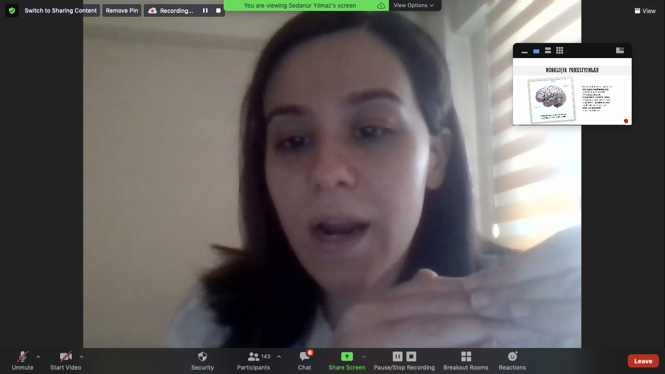
“Poor development of lateralization can lead to problems like dyslexia”
Occupational Therapist Sedanur Yılmaz, addressing "Sensory Strategies for Children with Dyslexia," stated: "Problems in cognitive skills, visual-auditory perception and processing problems, motor coordination, and balance problems are frequently reported among children with dyslexia. Sensory integration-based approaches are one of the programs applied to children with dyslexia. Many scientists associate a lack of vestibular stimulation with learning problems. Vestibular, proprioceptive, tactile, and auditory systems have very strong effects on vision. The auditory nervous system is our first system to begin working. The primary auditory cortex hears without knowing what it hears. Auditory perception can be defined as the ability to receive and interpret information reaching our ears through sensory stimuli from the environment. Proprioceptive sense is the system that transmits necessary information about the body's position and movements to the brain. Correct body posture created during activities enables easy focus on the activity."
“Children may still struggle to learn despite having normal or high intelligence levels”
Child Dev. Psychologist Güler Hemidova stated: "Dyscalculia, which has no complete cure, can be minimized with effective learning strategies and parental support. Individuals diagnosed with dyscalculia struggle to use and understand numbers, simple operations, problems, and intuitions related to problems. In a very simple sense, if we define dyslexia as a dysfunction in understanding, producing linguistic information, or responding, we can define dyscalculia as a dysfunction in producing, understanding, or responding to quantitative and spatial information. Dyscalculic students experience difficulties in daily life because they struggle with using quantities such as money, time, and directions. There are practical methods and instructional designs available that enable us to include a student diagnosed with dyscalculia in the classroom. These consist of strategies that develop reading skills, strategies that develop mathematical problem-solving skills, and general instructional designs."
“Virtual reality applications can also be seen in specific learning difficulties”
Occupational Therapist Menekşe Yüksel, addressing occupational therapy approaches that combine specific learning difficulties with the virtual world, stated: "Virtual worlds offer us many possibilities that we cannot achieve in reality. We can provide interventions that are dangerous or economically unfeasible for individuals, with direct feedback and experiences that closely resemble reality. Furthermore, it is now very easy for us to create virtual worlds tailored to an individual's specific problem and our targeted goals."
“A multidisciplinary working environment is very valuable in specific learning difficulties”
Atıf Tokar, addressing the topic "Current Data in Dyslexia," stated: "An alpha generation is emerging that is prone to the virtual world, prefers emojis instead of talking, dislikes touching, shows weak bodily awareness, has undeveloped face-reading skills, experiences difficulties in perceiving complex backgrounds, and has weak fine motor skills outside of mobile phone use. Recognizing the new generation is important for correct intervention. There are sensitive points when working with dyslexic children. Socialization is a serious problem. After the 3rd grade in our country, the curriculum shifts to abstract information, and this period is critical. Psychological deterioration can begin when dyslexic children are on the verge of dropping out of school. A multidisciplinary working environment, where occupational therapists play an important role in specific learning difficulties, is very valuable.”
“It is necessary to support parents who do not accept their children's condition”
Child Dev. Melisa Akköse Kaya, addressing "Observations and Beginning Education for Specific Learning Difficulties in Early Childhood," stated: "We frequently encounter cases where Attention Deficit Hyperactivity Disorder and Specific Learning Difficulties are seen together. In my research and studies targeting educators working in preschool institutions, I observed that children suspected of having specific learning difficulties exhibited deficiencies in conceptual and perceptual skills as a striking symptom. In addition, these children experience anxiety and fear of failure. We know that parents often share their observations about their children with educators, even if with concern. However, there is also a group that does not accept and refrains from sharing. Supporting this group is an integral part of the intervention program.”

“Mind maps are a very valuable tool for practitioners”
Occupational Therapist Veysel Özkök, addressing "Mind Maps in Dyslexia," stated: "Mind maps, which were introduced to the scientific world through Prof. Dr. Roger Sperry's Nobel Prize-winning work on the Corpus Callosum and Tony Buzan's works, are a very valuable tool for practitioners. Mind maps are a thinking tool. Mind maps offer a lasting, enjoyable, and unique learning advantage while also improving memory. Unlike the linear method, they involve both the right and left hemispheres, contributing to creative thinking. Mind maps facilitate comprehension in individuals with dyslexia, help prevent loss of ideas, and make information easily understandable by breaking it into smaller pieces."
“Specific learning difficulties are observed in one out of 10 children globally”
Gülten Yörük, addressing the topic "Lifelong Specific Learning Difficulties," stated: "Specific learning difficulties are observed in one out of 10 children globally. This is a significant rate. However, awareness needs to be increased in Turkey. A large part of the special education demographic consists of individuals with specific learning difficulties. Occupational therapists can offer considerable contributions to specific learning difficulties. When evaluating dyslexia through traditional education, many children will yield inadequate results; a modern education system based on individual differences will be a more effective system and evaluation method. Dyslexia is almost a curtain that hides intelligence. Dyslexia can also be seen in adults, and early awareness is important at this point.”
“Art therapy is the most aesthetic mirror in which one can see oneself”
Şevval Ateş, addressing the topic "Positive Therapy in Specific Learning Difficulties," stated: "As opposed to the difficulty of verbal expression, art therapy offers a different path in the intervention program. Instead of directly talking about the problem, it is possible to express it through art as much and in whatever way desired. Art therapy can help achieve balance between the brain hemispheres in dyslexia. Art therapy influences individual self-awareness and also aids the intervention process. Art therapy is the most aesthetic mirror in which one can see oneself."
The symposium concluded with the presentation of certificates of appreciation and closing remarks by Prof. Dr. Sevda Asqarova.
Share
Update Date: February 27, 2026
Creation Date: May 20, 2021