

Üsküdar Üniversitesi Cerebral Palsy and Occupational Therapy Club's first event was the "Touch Boundaries and Change with Occupational Therapy" Symposium, organized for December 3, World Disability Day. The symposium was held under the leadership of Faculty of Health Sciences Occupational Therapy Department Head Prof. Dr. Sevda Asqarova.
Content
'Touch Boundaries and Change with Occupational Therapy' Symposium Held
The guests of the first session of the symposium were Assoc. Prof. Dr. Nalan Çapan from Istanbul University, Internal Medicine Department, Physical Therapy and Rehabilitation Main Science Branch; Specialist Clinical Psychologist Berat Karaahmetoğlu, Unit Manager of Eyüpsultan Municipality Family Counseling and Education Center; Physiotherapist Benan Özkol, 1st Responsible for the Süper Palsi Project and Disabled Student Advisory and Coordination Unit at Yeditepe University; and Yersu Deniz, 2nd Responsible for the Süper Palsi Project and Advertising and Communication Coordinator for the Cerebral Palsied Children's Association (SERÇEV).
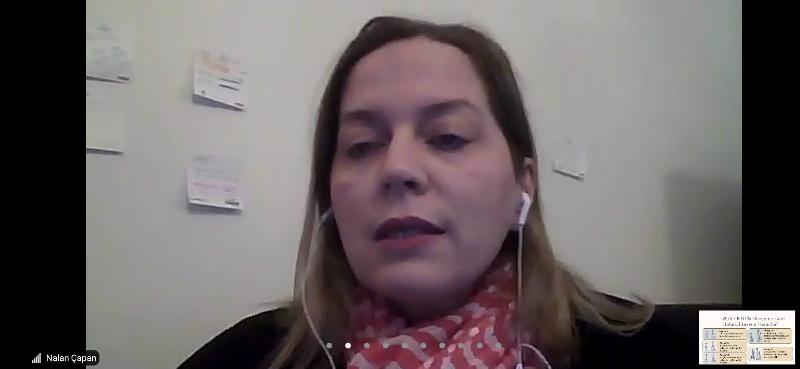
Assoc. Prof. Dr. Nalan Çapan: “Cerebral Palsy can cause childhood disability worldwide and in our country”
Speaking on "Rehabilitation Approaches in Pediatric Diseases," Assoc. Prof. Dr. Çapan stated, "Pediatric rehabilitation is truly very important because recognizing and interdisciplinarily treating a number of physical functional disorders that begin in childhood carries great importance. In these pediatric populations, there are many diseases that cause disability. But among these, the most common patient group we see is 'Cerebral Palsy.' Cerebral Palsy can cause various disorders in many systems. It can present with various involvements, ranging from mild to severe. Cerebral Palsy can cause childhood disability worldwide and in our country. Therefore, the earlier we start rehabilitation, the more we prevent multiple disabilities. Early treatment is as important as early diagnosis."
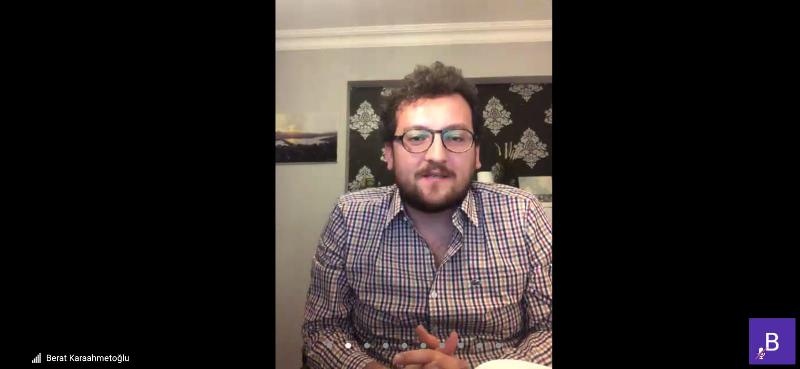
Spec. Clin. Psy. Karaahmetoğlu: “The sooner one can accept it, the more beneficial it is”
Spec. Clin. Psy. Berat Karaahmetoğlu delivered his speech titled 'Psychology of Disability and Psychosocial Status of Disabled Individuals During the Pandemic Period.' Karaahmetoğlu said, "Some families can easily overcome the adaptation process to a disabled family member. However, some families experience significant problems with adaptation during this process. What needs to be done in this situation? First of all, the sooner the family can accept this situation, the more beneficial it will be for us. It is an important factor for the psychology of a disabled child that the parent establishes positive relationships with the child, restoring the disrupted balances within the family quickly."
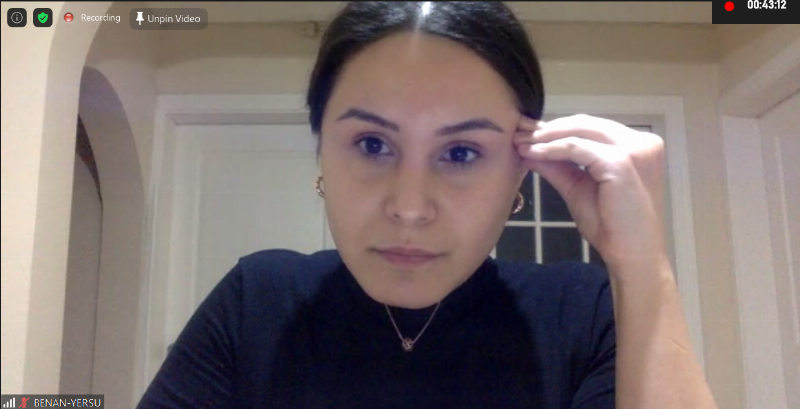
P.T. Benan Özkol: “We want these children to socialize”
P.T. Benan Özkol provided information on how the Süper Palsi Project came about. P.T. Özkol said, "Süper Palsi is a social responsibility project I started during my undergraduate years and it's still ongoing. We run this project on two legs: Yeditepe University and SERÇEV Association. The Süper Palsi project emerged as follows: During my undergraduate studies, I volunteered for an autism awareness project and saw them doing great work. As my pediatric physiotherapy internship continued, the question crossed my mind: why don't we do such an awareness project for individuals with Cerebral Palsy? That's how we started Süper Palsi. We want university volunteers to get to know cerebral palsy, and we want these children to socialize. For this, we organize meetings and hold cape handover ceremonies between new and old members."
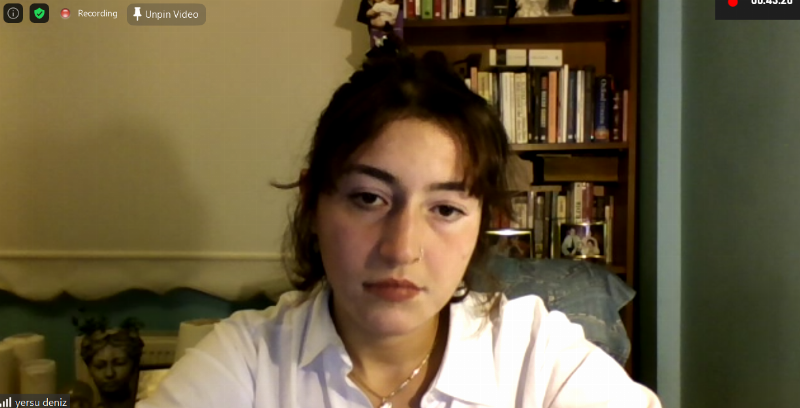
Yersu Deniz: “Their priorities are education, health, and employment”
Yersu Deniz provided information about the SERÇEV Association. Deniz said, "SERÇEV was a non-governmental organization founded in 2002, and now it is a non-governmental organization working for public benefit. It was established in 2002 by about sixty families coming together. How and why did these sixty families come together? The most meaningful part of the story for me is that it was founded entirely by families who have children with Cerebral Palsy. In those years, there were very limited physical therapy centers in Ankara. At that time, they all went to the same physical therapy center, and all of them had similar problems. So, there was a common bond of concern. Some of their children were starting school, while others were of nursery age. But the majority of families whose children started school faced the same problem. Their children were not admitted to school. After many families experienced this situation, they eventually founded SERÇEV, and their first priorities became education, health, and employment."
The guests of the second session of the symposium were Süheyla Gürkan, Chairman of the SERÇEV Board of Directors; Dilan Marangoz, Visual Communication and Design Specialist and Sports Manager at Okan University; Physiotherapist Özcan Kalkan from Istanbul University Faculty of Medicine, Physical Therapy and Rehabilitation Department; and Ömer Yiğit, Director of Üsküdar University Accessible Life Center.
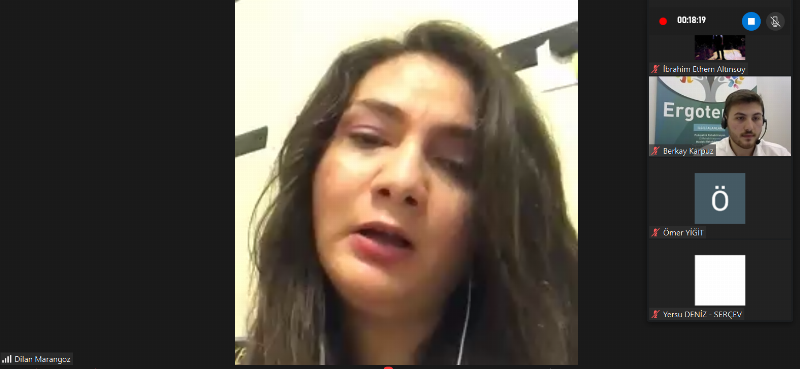
Dilan Marangoz: “I established an accessible living community at the university”
Dilan Marangoz, referring to her life as an example for disabled people, said: "I have my own projects. I established an accessible living community at the university and served as its president. During my years of study, I represented my school in various projects. Later, I received training in acting for the camera."
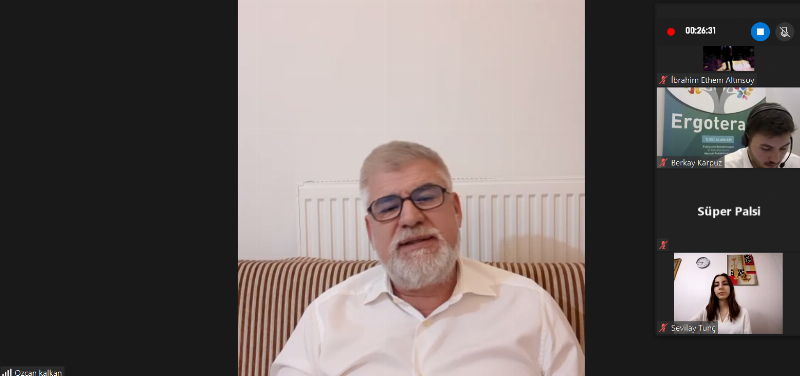
P.T. Kalkan: “Effects of Multidisciplinary Approaches in Cerebral Palsy”
P.T. Özcan Kalkan, in his speech titled 'SERÇEV Studies and the Effects of Multidisciplinary Approaches in Cerebral Palsy,' said, "How does movement occur in the body? For example, when I command my wrist to move up and down, how does my brain give this command? Information travels from my wrist to my brain, the brain processes this information, and an active movement command is given. In this light, if the healthy regions of my brain are to take over the tasks of the damaged regions, the first thing I need to do is teach the data processing in my brain to the healthy regions. We can teach this by performing movements very slowly."
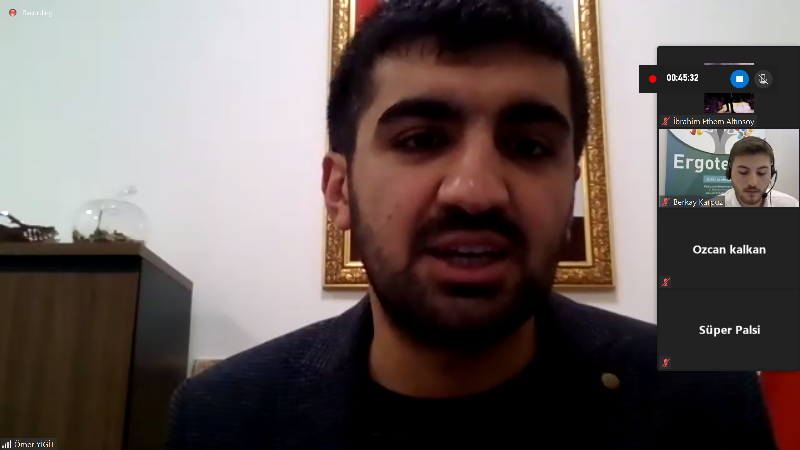
Ömer Yiğit: “In recent years, the perspective towards disabled people has changed positively”
Ömer Yiğit, addressing the issue of disability rights, stated: "I evaluate disability rights in three separate categories. These are those stemming from society, meaning us; those stemming from objects and the environment; and those stemming from governance, the state. The most important aspect here is the responsibility of non-disabled people. In recent years, there have been significant developments in our country and society regarding the perspective towards disabled people, how they should be treated, and respect for their rights."
In the final session of the symposium, Lecturer Mahmut Çalık from Üsküdar University Department of Physiotherapy and Rehabilitation, Akif Ülger, Assistant Director of the Turkish Spastic Children's Foundation and Metin Sabancı Special Education Schools, Physiotherapist Ebru Özker from Metin Sabancı Special Education Schools, and Lecturer İsa Kör from Üsküdar University Faculty of Health Sciences delivered their speeches.
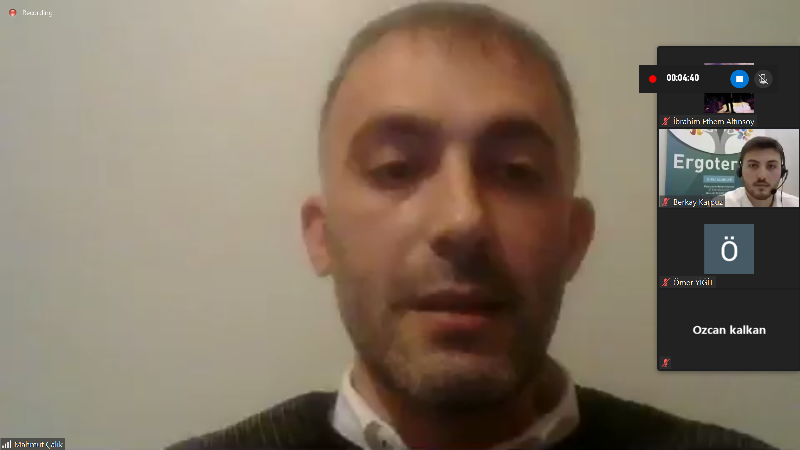
Lecturer Çalık: “Disabled individuals should take up a sport”
In his speech titled "Sports for the Disabled," Lecturer Mahmut Çalık addressed the challenges disabled individuals face in their daily lives, stating: "There's something I always say for disabled individuals to hold onto life more firmly: they should take up a sport. I believe this is very important not just for earning money from it, but for their own health and self-confidence. Unfortunately, in our society, disabled individuals often do not leave their homes. This situation used to be worse. This was unfortunately experienced due to both lack of opportunities and old societal norms. However, it is certain that this situation has changed positively today."
Akif Ülger: “The circle that connects the three legs is the school”
Akif Ülger stated: "Everyone knows that education is likened to a tripod formed by the cooperation of the teacher, student, and family. However, the circle that connects these three legs is the school. Therefore, all schools have a very important role in the education of students, whether they are disabled or typically developing students. The school's relationship with the student goes through good planning. We also prepare individualized education plans. Our occupational therapists make plans according to the child's developmental characteristics. The main point here is the teachers."
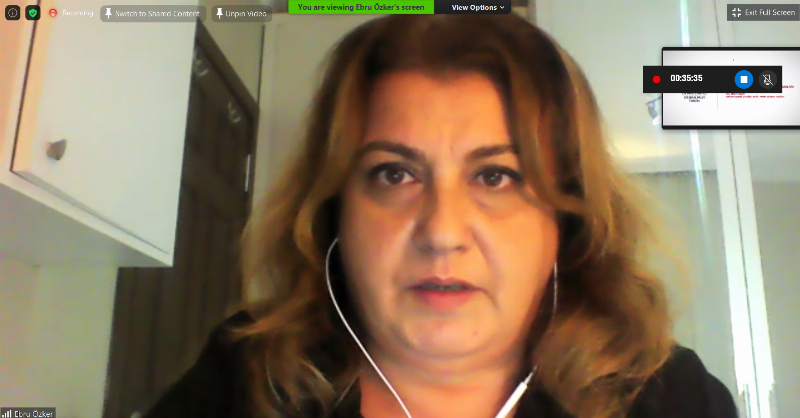
What does a school physiotherapist do?
Ebru Özker, addressing physiotherapy activities in schools, said: "What does a school physiotherapist do? I want to talk a little about this. A school physiotherapist is a person who monitors and observes a student's motor skills, determines their needs, continues interdisciplinary work to support sensorimotor development, and is responsible for extending the student's physiotherapy needs throughout the school as required. The most important aspect here is interdisciplinary work."
Lecturer İsa Kör from Üsküdar University Faculty of Health Sciences, Occupational Therapy Department, delivered his speech titled "What Are Society's Expectations from Disabled Individuals, and How Can We, as Occupational Therapists, Touch the Lives of Disabled Individuals?"
Share
Update Date: February 26, 2026
Creation Date: December 07, 2020
Request a Call
Other News
- The book that read today's digital threats in 2014: Being a Conscious Family
- Experts warn: 'Instead of memorizing letters, teach pencil grip, scissor use, and coloring'
- School fear and school love both start in the family!
- Family is not merely transforming, it is being battered under a serious assault
- Artificial intelligence opens the door to early diagnosis in autism!