

Cyberchondria, defined as the “disease of searching for illnesses online” and considered a new ailment of our era, has become the subject of an academic study. Interesting results emerged from the research conducted in Istanbul by the Üsküdar Üniversitesi Faculty of Communication. According to the study, which involved 1,196 people aged 18-75 across Istanbul, when comparing cyberchondria levels among generations, Generation Z, born in 2000 and later, had the highest cyberchondria level with 101.68 points compared to other generations. The lowest level was found in the Baby Boomer generation, born between 1946-1964, with an average level of 86.24 points. The study found a negative relationship between cyberchondria level and health literacy level, meaning that as health literacy level increased, cyberchondria level decreased. When comparing health literacy levels, the highest level was found in the Baby Boomer generation, i.e., the oldest generation.
Content
The Disease of Searching for Illnesses Online: Cyberchondria
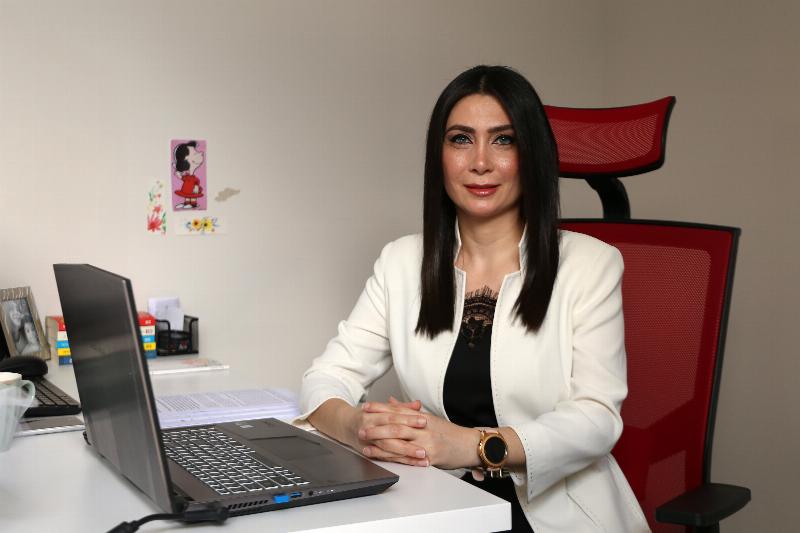
Üsküdar Üniversitesi Faculty of Communication's New Media and Journalism Department faculty member Dr. Aylin Tutgun Ünal and health professional Yücel Ekinci conducted research titled “The Relationship Between Cyberchondria Levels and Health Literacy of Generations in the New Media Age” and “Cyberchondria and Health Literacy Map of Generations in Istanbul Province.”
Istanbul's cyberchondria level was measured
Dr. Aylin Tutgun Ünal from the New Media and Journalism Department stated, “The study addressed cyberchondria, defined as the 'disease of searching for illnesses online' and considered a new ailment of our era. The research aimed to determine the levels of cyberchondria and health literacy among generations aged 18-75 living in Istanbul based on their demographic characteristics, and to investigate whether there is a significant relationship between them. The study is also important as it is the first study in our country on the relationship between health literacy and cyberchondria.”
Aylin Tutgun Ünal: “It can lead to dangerous consequences”
Evaluating the results of the research conducted with Yücel Ekinci, a New Media and Journalism Master's student and also a health professional, Ünal noted that individuals who search online for disease symptoms become anxious with the belief that they are ill based on the information they find, can self-diagnose incorrectly without consulting specialists, and may resort to inappropriate treatment methods.
Aylin Tutgun Ünal: “Measures should be taken as soon as possible”
Noting an increase in internet use, especially with the extended time spent at home during the current pandemic, Dr. Aylin Tutgun Ünal, faculty member, said:
“This situation has brought a new problem to the health agenda in the new media age, where communication and ways of doing business are transforming. Furthermore, the observation of this condition at a moderate level across all generations aged between 18 and 75 highlights the extent of the danger. Within the scope of this research, the fact that 36.8% of a segment stated using medication on their own initiative outside of a doctor's recommendation, and 22% continuously search for illnesses on the internet, believing they have an undiagnosed illness, also brings a separate problem to the health sector. In both cases, the high level of cyberchondria indicates the necessity of taking immediate measures. The research also found that the health literacy level in all generations is borderline/problematic, emphasizing the importance of updating studies in this area as “digital health literacy” and ensuring their applicability to all generations, especially Generation Z, their families, and educators. A Generation Z is emerging that trusts health information found online more. Our research, conducted using an illness search anxiety scale, revealed that Generation Z, when experiencing illness symptoms/complaints, relies more on online information than on a family doctor or specialist. We can say that this situation is becoming increasingly widespread. Not only Generation Z, but everyone aged 18-75 is at a moderate level of risk. On the other hand, the observation of “high-level” cyberchondria in patients consulting family doctors and those with a middle socio-economic status, while it remains at a moderate level in those consulting hospitals, suggests that studies could be initiated in Family Health Centers.”
1,196 people from 39 districts of Istanbul participated in the study. The number of female participants was 610 (51%), and male participants was 586 (49%). 37 people (3.6%) from the Baby Boomer generation (born between 1946-1964), 176 people (17.0%) from Generation X (born between 1965-1979), 671 people (64.8%) from Generation Y (born between 1980-1999), and 151 people (14.6%) from the 18-20 age group of Generation Z (born in 2000 and later) participated in the research.
As health literacy level increases, cyberchondria level decreases
The study found a negative relationship between cyberchondria level and health literacy level, meaning that as health literacy level increased, cyberchondria level decreased.
Generation Z's cyberchondria level found to be the highest
When comparing cyberchondria levels among generations, Generation Z, born in 2000 and later, was found to have a significantly higher cyberchondria level compared to other generations. The lowest level was found in the Baby Boomer generation. While the cyberchondria level in Generation Z was found to be “high level,” it was “moderate level” in other generations.
The average total score obtained from the Cyberchondria Severity Scale was calculated as 96.48. The scale ranged from a minimum of 33 to a maximum of 165 points. Accordingly, based on the average total score, the cyberchondria level of all participants (generations) was found to be “moderate.”
Scores of generations on the cyberchondria scale
According to the research results, the scores of generations on the cyberchondria scale were as follows:
Baby Boomer: 86.24 (moderate level)
Generation X: 92.84 (moderate level)
Generation Y: 96.83 (moderate level)
Generation Z: 101.68 (high level)
Generation Z researches online
The research revealed that Generation Z has a high level of the disease of searching for illnesses online. It was found that Generation Z often researches unexplained conditions related to their body multiple times online, takes online information more seriously than the opinions of a family doctor or specialist, visits websites where medical conditions, symptoms, and experiences of people with that illness are discussed while researching symptoms/complaints online, repeatedly visits different websites about the same health condition without finding relief, and neglects other activities while researching illnesses online.
Health literacy highest in older generation
When comparing the health literacy levels of generations, the highest level was found in the Baby Boomer, the oldest generation. A significant difference emerged between the Baby Boomer generation and Generation Y. Generation Y's health literacy level was found to be significantly lower than other generations. Generation Z's health literacy level was determined to be the second lowest after Generation Y.
Scores of generations on the health literacy scale
According to the research results, the scores of generations on the health literacy scale were as follows:
Baby Boomer: 29.06 (problematic/limited)
Generation X: 27.31 (problematic/limited)
Generation Y: 25.15 (problematic/limited)
Generation Z: 26.77 (problematic/limited)
Cyberchondria level of Generation X men is high
When the cyberchondria status by gender was examined across generations, it was observed that there was no differentiation by gender; however, among Generation X (those born between 1965-1979), men's cyberchondria levels were found to be significantly higher than women's. Parallel to men in Generation X being more cyberchondric than women, their health literacy level was also found to be significantly lower.
Women's health literacy level is more adequate than men's
When comparing health literacy levels by gender across generations, women's health literacy level was found to be at a “Problematic/Limited health literacy level”; men's health literacy level was found to be at an “Inadequate health literacy level.” It was revealed that women's health literacy level was higher than men's in all generations. In Generation Y, the group aged 21-40, both women's and men's health literacy levels were determined to be significantly close to inadequate.
“High” cyberchondria measured in middle socio-economic status
When comparing cyberchondria levels according to the Socio-Economic Status (SES) of generations, cyberchondria was found to be “moderate” in both groups representing the “upper” (AB) class (27.6%) and “lower” (DE) class (6.7%) in socio-economic status, while it was found to be “high” in the group representing the “middle” (C1 and C2) class (65.7%). A relationship was found between cyberchondria and education, and differences in educational status affected the levels according to the socio-economic status of the groups; a large proportion of individuals in the middle (C2) class were primary school graduates and were found to have high levels of cyberchondria.
Health literacy problematic/limited in upper socio-economic status
When comparing health literacy levels according to the Socio-Economic Status (SES) of generations, the health literacy level of the group representing the “upper” (AB) class in socio-economic status was found to be at a “Problematic/Limited health literacy level,” while both groups representing the “lower” (DE) class and “middle” (C1 and C2) class were found to be at an “Inadequate health literacy level.” Since health literacy level is related to education, it was noted that as an individual's education level increased, their health literacy level also increased, and their status changed.
Cyberchondria decreases as education increases
It was observed that as the educational level of generations increased, the cyberchondria level decreased. Accordingly, the cyberchondria level of those with a Master's+Doctorate education was significantly lower than those with other educational backgrounds. Based on the average total scores obtained, cyberchondria was found to be “high level” in those with Literacy+Primary Education (419 people; 40.5%) and High School (266 people; 25.7%); it was found to be “moderate level” in those with Master's+Doctorate (62 people; 6%) and Associate+Undergraduate degrees (288 people; 27.8%).
Health literacy level also increases with education
It was revealed that as the educational level of generations increased, their health literacy level also increased. It was determined that those with a Master's+Doctorate education had an “Adequate health literacy level”; those with an Associate+Undergraduate degree had a “Problematic/Limited health literacy level”; and those with High School, Literacy+Primary Education had an “Inadequate health literacy level.”
The cyberchondria level differed according to the employment status of generations. Based on the average total scores, cyberchondria was found to be “moderate level” for both employed (847 people; 81.8%) and unemployed (188 people; 18.2%) individuals.
Cyberchondria level decreases as internet usage time increases
The research revealed that cyberchondria levels varied according to generations' daily internet connection time, with those connecting for less than 1 hour having the highest cyberchondria level. It was found that as daily internet usage time increased, the cyberchondria level decreased, but generally, the cyberchondria level remained moderate.
Less than 1 hour (128 people; 12.4%): High Level Cyberchondric, score: 101.64
1-3 hours (396 people; 38.3%): Moderate Level Cyberchondric, score: 98.60
4-6 hours (305 people; 29.5%): Moderate Level Cyberchondric, score: 95.20
More than 7 hours (128 people; 12.4%): Moderate Level Cyberchondric, score: 94.92
Constantly Connected (78 people; 7.5%): Moderate Level Cyberchondric, score: 84.84
The cyberchondria level of those who said “I am constantly connected to the internet” was significantly lower than those who used it for less than 1 hour. This means that individuals who use the internet constantly were found to have a lower level of illness searching anxiety compared to those who use it least (less than 1 hour).
Health literacy level is also low for those who connect to the internet less frequently
Although health literacy levels did not differ significantly according to generations' daily internet connection time, it was found that those who said “I connect for less than 1 hour” were at an “Inadequate health literacy level,” while for other connection times, they were at a “Problematic/Limited health literacy level.” In terms of daily internet connection times, the health literacy level of those who connected for less than 1 hour was found to be significantly lower than all other connection times.
Cyberchondria is high in social media users
The cyberchondria level was found to be higher among social media users. It was determined that the cyberchondria level of social media “users” (X=96.99) was higher than that of “non-users” (X=83.25). While 96.3% of participants stated they used social media, only 38 people (3.7%) reported not using it. Those who used social media for more than 7 hours a day (8.2%) were found to be highly cyberchondric, while those who used it less were at a moderate level.
Cyberchondria level is high in Facebook users
When evaluated on an application basis, Facebook users had higher cyberchondria levels and inadequate health literacy levels. When participants were asked which social media application they used most, it was determined that 82.3% used Instagram, 9.1% used Facebook, 4.4% used Twitter, and 4.2% used YouTube. The Facebook user group's cyberchondria level was found to be high, while users of other social media applications were at a moderate level.
On the other hand, the health literacy level of the 4.4% segment who stated they used Facebook the most was found to be inadequate. Other social media users were found to have problematic/limited health literacy levels. The health literacy level of the 82.3% of users who preferred Instagram, mostly favored by young people, was found to be borderline. It was revealed that young people's health literacy level was almost inadequate.
Health literacy increases in those with diagnosed illnesses
According to the research, while the cyberchondria level decreases in the case of having a diagnosed illness, the health literacy level increases. It was found that those who said “I do not have a diagnosed illness” were more cyberchondric (X=97.75). Additionally, those with an undiagnosed illness had a lower health literacy level (X=25.45). This situation did not create a difference in health literacy (Problematic/Limited level). Of the 1034 people who answered this question, 22.2% stated they believed they had an undiagnosed illness.
It was determined that those who believed they had an as-yet-undiagnosed illness were more cyberchondric. The cyberchondria level of those who stated they had an as-yet-undiagnosed illness was found to be high (X=102.06), while for others it was moderate. This situation did not create a difference in health literacy (Problematic/Limited level).
Rate of individuals using medication without doctor's recommendation: 36.8%
The rate of those who had an illness requiring regular medication use in the last year was found to be 22.3%. While 77.7% stated they did not have an illness requiring regular medication, the rate of those who used medication on their own initiative outside of a doctor's recommendation was found to be 36.8%. These individuals were found to have a moderate level of cyberchondria.
In the last year, 33.8% had medical tests done on their own initiative outside of a doctor's recommendation, and their cyberchondria level was found to be higher. In cases where medical tests were performed on one's own initiative outside of a doctor's recommendation in the last year, the cyberchondria level was “moderate”; and health literacy levels were found to be “Problematic/Limited.”
Cyberchondria status by first source of consultation for any illness/discomfort across generations
The cyberchondria level of those whose first source of consultation was “the internet” (25.3%; 261 people) was found to be higher (X=104.85) than those whose first source was a “health facility” (X=93.75) (74.7%; 770 people). The cyberchondria level of those whose first source of consultation was the internet was “high level,” while for those consulting a health facility, it was “moderate level.” The cyberchondria level of the 25.3% of participants who first consulted the internet was found to be significantly high.
Those who consult Family Health Centers are more cyberchondric
It was revealed that 35.1% of generations consulted family health centers, researched illnesses more on the internet, and had high levels of cyberchondria. The health literacy level was “inadequate” for those who consulted family health centers, while it was “problematic/limited” for those who consulted other sources such as state hospitals, university hospitals, and private hospitals. The health literacy level was found to be inadequate for those consulting Family Health Centers. Those consulting other sources were found to have a problematic/limited level.
The research, conducted through an online survey, utilized the Cyberchondria Severity Scale and the Turkey Health Literacy Scale. The Cyberchondria Severity Scale consisted of 5 factors. These factors were named: behavioral intervention in daily life resulting from online searches, comprising 8 questions (compulsion); excessive anxiety, comprising 8 questions (distress); excessive and repetitive online searches for medical information, comprising 8 questions (excessiveness); seeking reassurance by making excessive searches for increasing negative effects, comprising 6 questions (reassurance); and mistrust of medical professionals based on information acquired during repeated online searches, comprising 3 questions (mistrust of medical Professional).
The health literacy scale in Turkey is a self-report scale developed to assess health literacy in individuals aged 15 and over, with at least a primary school education. The scale is based on the conceptual framework developed by the European Health Literacy Research Consortium (HLS-EU CONSORTIUM, 2012). In the research, data was collected from all generations, comprising 1196 people, using the cyberchondria severity scale and the health literacy scale in Turkey.

e-health literacy should be developed…
Yücel Ekinci, who was involved in the research, stated: “According to the research results, we can say that anxiety may develop in those who first turn to the internet for any health problem, and this anxiety increases as a result of trusting this information and making decisions based on it. This situation can increase individuals' cyberchondria levels and, in more advanced cases, lead to cyberchondria itself. In this sense, since being a conscious internet user is important, e-health literacy needs to be developed. To individuals who search for health information online and try to solve their health problems with this information, we can recommend that they definitely seek support from health professionals or consult a health center before resorting to this method.
Share
Request a Call
Other News
- Social responsibility courses moved to the field
- Erasmus+ Orientation Week completed at Üsküdar
- Prof. Nevzat Tarhan: “Brain secretes ‘dark glue’ in social media lynchers!”
- Prof. Nevzat Tarhan: “Every segment of society should be able to say, ‘This constitution is my constitution!’”
- OHS releases guide for safe operation of industrial robots