

Üsküdar Üniversitesi Institute of Social Sciences organized the “Solution-Focused Approach: Media, Women, and Psychology” event, where topics such as the desire for approval, body image, and media addiction were discussed. Assoc. Prof. Dr. Onur Noyan, one of the speakers of the program, stated that changes in brain volumes and biology have been observed in individuals with social media and internet addiction, and added: “Among young people, there is an expectation of getting more likes on social media and popularity.”
Content
Psychiatrist Onur Noyan: “Young people have an expectation of being popular”
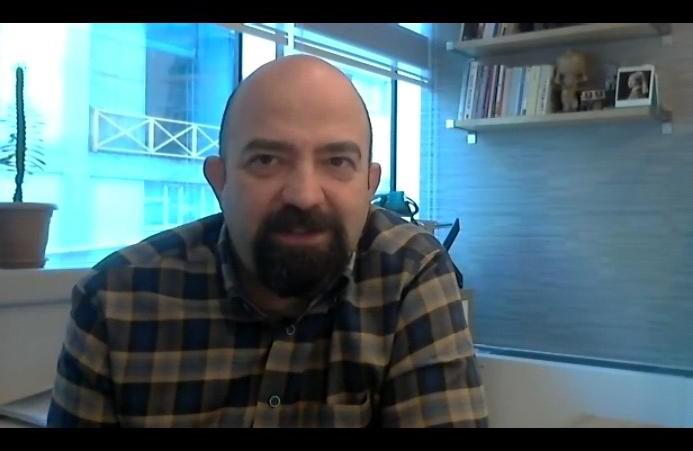
The program, moderated by Assoc. Prof. Dr. Aylin Tutgun Ünal from Üsküdar University's New Media and Journalism Department, hosted Psychiatrist Assoc. Prof. Dr. Onur Noyan from NP İstanbul Beyin Hastanesi, Lecturer Dr. Cem Tutar from Üsküdar Üniversitesi, writer and researcher İhsan Aktaş, and medical aesthetic specialist Hakan Kahraman.
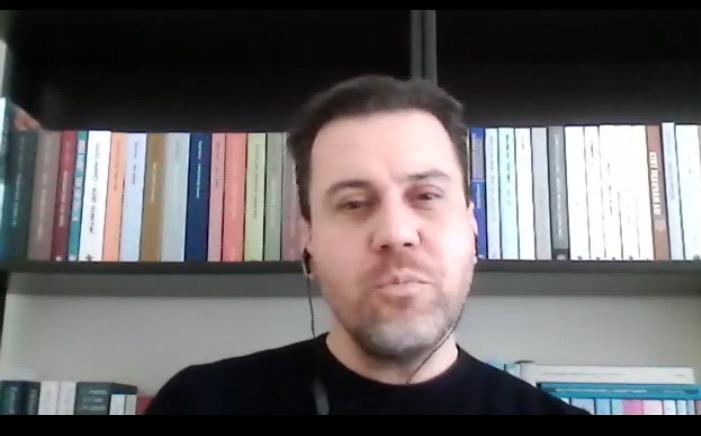
“On social media, individuals can construct their bodies as part of a show”
Cem Tutar, addressing the sociological dimensions of media addiction, said: “In postmodern culture, in the contemporary cultures we live in, we mediate social reality through media. We learn things not by doing them within the culture, but by encountering the media's domain through technological tools. Through this, we perceive the cultural sphere. Issues such as body and self-perception also fall into this area. Individuals can construct their bodies as part of a show on Instagram and similar platforms. Within this society we live in, consumer society values, body culture, self-indulgence, narcissism are circulated by the advertising, fashion, and popular culture industries for this system to function. All these phenomena simultaneously affect both Western and non-Western societies.”
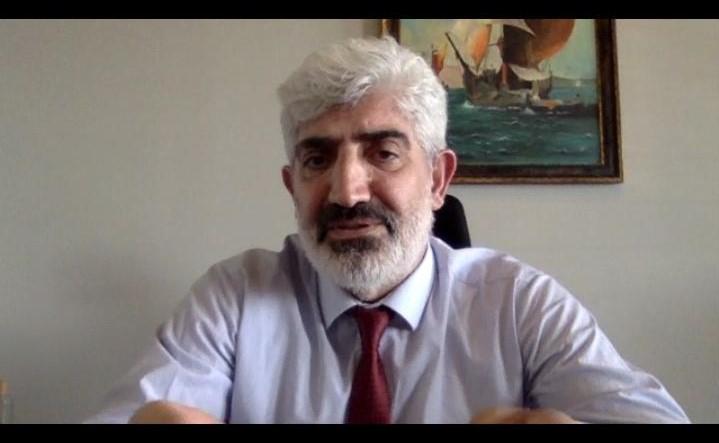
“External perspectives can change one's sense of self”
İhsan Aktaş, making evaluations on the desire for approval and body image, said: “For the last 10 years, social media has been more prominent in our agenda. We have interpreted many professions through social media. A presentation style or design based more on visuality emerged, and social media became the 'salt and pepper' of it. Ultimately, in daily life, people experience and see each other. The desire for approval is something that starts from childhood. When a child first perceives themselves, they probably perceive their body before their self. Over time, these external perspectives can change one's own sense of self. One's self is formed both by the opinions one creates about oneself and by the external perspectives. About 20 years ago, I read an article that I found very interesting. For example, it was stated that in Western societies, content – meaning a person's culture, knowledge, and experience – is more valuable, whereas in Eastern societies, visuality and show are prioritized, from a company presentation to driving a luxury car or the position of the boss in a meeting.”
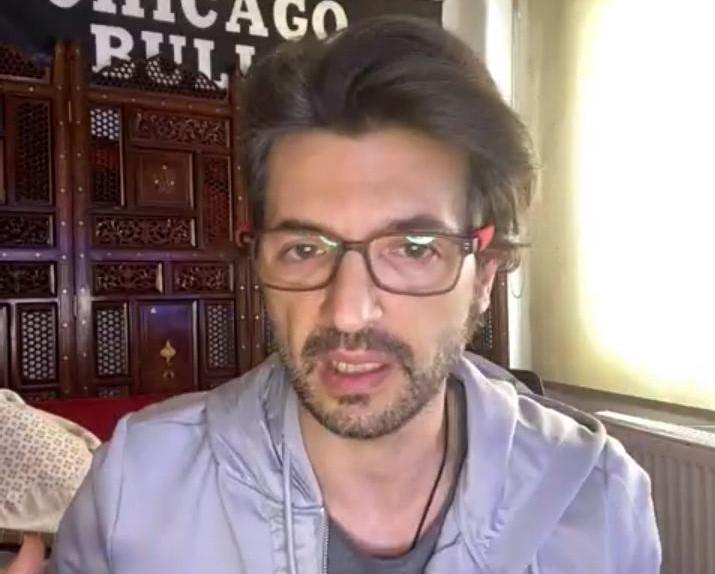
“In aesthetic procedures, the individual's happiness is paramount”
Medical Specialist Hakan Kahraman, addressing the aesthetic concerns related to the desire for approval, said: “It is human nature to always desire approval. For example, each of us takes photos, and we share the photo we like the most of ourselves. If I look at myself in the mirror and I am happy, and this happiness does not risk my health, then no one has the right to say anything. The real problem starts when we begin to see our ego, ourselves, in terms of superiority that distinguishes us from others. In all aesthetic procedures, I absolutely want the individual's happiness to be the goal. We act according to how happy they are.”
“Young people have an expectation of being popular”
Assoc. Prof. Dr. Onur Noyan, addressing the psychological dimensions of the desire for approval, said:
“Loss of control over time spent on social media is a very significant sign. Studies conducted on individuals with social media and internet addiction have observed changes in brain volume. Along with these, we can say that there are very serious structural biological changes. Over the years, the segment where getting likes on social media has become more popular is young people. When we look at young people, everyone has an expectation of quickly becoming popular, a desire for popularity. People have started to think that even when they open a new shop or go to a new place, the more likes they get, the more successful they will be. This situation has started to put people into an expectation of 'Let me like others so that they will like me too.' This perception of popularity established on social media is a very fragile popularity, not a realistic popularity. It is one of the ways a person chooses to feel better at that moment and to increase their self-confidence.”
Share
Update Date: February 27, 2026
Creation Date: April 30, 2021
Request a Call
Other News
- Prof. Nevzat Tarhan: “Protecting a child is not just about putting an obstacle in front of them on the screen!”
- Prof. Deniz Ülke Kaynak: “We are still in the conflict management phase!”
- Residual current device saved a life!
- Can violence be prevented in schools?
- Is our thinking ability weakening with artificial intelligence?