

Research reveals that during the pandemic, women were subjected to more violence, faced a greater risk of losing their jobs, and experienced an increased workload at home. Within the scope of November 25, International Day for the Elimination of Violence Against Women, experts are making important statements to draw attention to awareness in society. Experts state that women suffer various forms of violence, including psychological, physical, digital, economic, and verbal, and emphasize that countries should include legal practices regarding violence against women in their national action plans.
Content
Pandemic Increased Women's Burden…
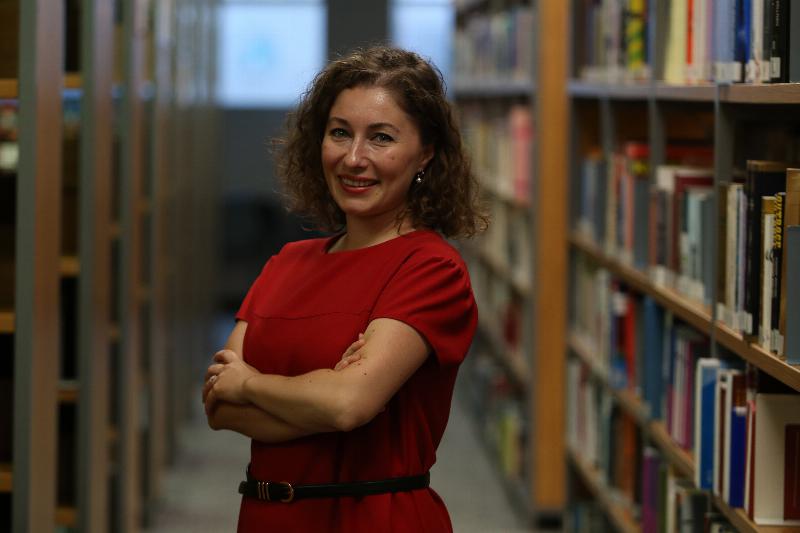
Every year, November 25 is commemorated as the 'International Day for the Elimination of Violence Against Women'.
Üsküdar Üniversitesi Faculty of Humanities and Social Sciences Sociology Department Dr. Lecturer Tuğba Aydın Öztürk shared the causes of violence against women and recommendations for its prevention.
Women Faced More Violence During the Pandemic
Stating that all humanity entered a new period of struggle during the pandemic, Dr. Lecturer Tuğba Aydın Öztürk said, “The fear of losing health, uncertainty, economic losses, stress, and feelings of exhaustion became common problems for everyone. Studies show that women were subjected to more violence during this period, faced a greater risk of losing their jobs, and were among the most vulnerable groups due to increased workload at home. We know that during the quarantine period, incidents of violence and the number of calls to emergency helplines increased accordingly.”
Violence Against Women is a Global Problem
Öztürk pointed out that violence against women is a global problem, saying, “Unfortunately, we are experiencing a period where femicides are increasing worldwide. The starting point of the 'stay home' call is to avoid risking our own and others' health. However, homes, as the most private and intimate spaces, are also where domestic violence is most frequently observed. We say 'stay home,' but we don't know what happens in those homes. For this reason, it is of great importance to be aware that women are not having an easy time during the pandemic process from many different perspectives. Women are subjected to various forms of violence during this period, whether physical, psychological, digital, economic, or verbal.”
Women's Labor is Not Seen
Drawing attention to psychological violence as one of the most common types of violence, Öztürk said, “Women are exposed to this violence regardless of their education, socio-economic class, or age group. The non-recognition of the unpaid labor of housewives at home and the devaluation of their efforts are psychologically and economically debilitating for women. Furthermore, during the pandemic, the workload for both housewives and women working from home increased significantly. Especially for working women, being compelled to attend to household responsibilities during their working hours condemns them to multiple shifts throughout the day.”
Women Lost More Jobs During the Pandemic
Öztürk stated that during this period, in addition to their primary workload, women also had to deal with their school-age children's online lessons, housework, cooking, and if applicable, caring for the sick and elderly, saying, “It is possible to speak of an effort that starts in the early morning and continues until bedtime. Moreover, global studies show that women lost more jobs and became more impoverished than men during the pandemic. In other words, working women, aware of this danger, have to cling more to their jobs and maintain a work-life balance at home. This burden also creates psychological pressure on women, exhausting them day by day. It should also not be forgotten that women constitute nearly 70% of healthcare workers worldwide. Women working in the health sector, where the most debilitating effects of the pandemic are observed, from receptionists to staff working in care institutions, nurses, doctors, and pharmacists, also need psychosocial support.”
Gender Equality Should Be Given More Importance
Öztürk continued her words by saying that we learn gender roles from the cultural habits of the society we live in:
“This learning process, which first begins at home, progresses in a broad structure extending to school, our social environment, workplace, media, and the state. These roles related to being a woman or a man are nourished by stereotypical judgments, and after a while, we begin to accept these judgments without questioning them. It is more common in society for mothers to be more involved in housework or childcare, and we normalize this situation. However, with the pandemic, women's increased workload creates a feeling of exhaustion in family, work, and social life. At this stage, the first steps that can be taken are the division of labor among family members, employers acting with awareness of the responsibilities of female employees, and generally giving more importance to the concept of gender equality in society. Increasing society's sensitivity and awareness on this issue requires multi-faceted cooperation.”
Children Role-Modeling Their Parents is Important
Stating that education begins in the family and children are influenced by their parents' behavior, Öztürk said, “It is important for children to observe and role-model parents who share work and support each other. The gender equality course should be taught to students before university level. It is very important for countries to include legal practices regarding violence against women in their national action plans and to collaborate with civil society organizations, academia, administrative bodies, and ministries on this issue. To solve the difficulties faced by women in society and to contribute to gender equality, it is necessary to come together and act as soon as possible.”
Share
Update Date: February 26, 2026
Creation Date: November 24, 2020
Request a Call
Other News
- The book that read today's digital threats in 2014: Being a Conscious Family
- Experts warn: 'Instead of memorizing letters, teach pencil grip, scissor use, and coloring'
- School fear and school love both start in the family!
- Family is not merely transforming, it is being battered under a serious assault
- Artificial intelligence opens the door to early diagnosis in autism!