

Üsküdar Üniversitesi Solution-Oriented Women's Issues Application and Research Center (ÜSÇÖZÜM) and the Institute of Social Sciences jointly organized the Media, Women and Psychology event, within which the topic of “New Internet Diseases and Cyberchondria” was discussed.
Content
“New Internet Diseases and Cyberchondria” Discussed
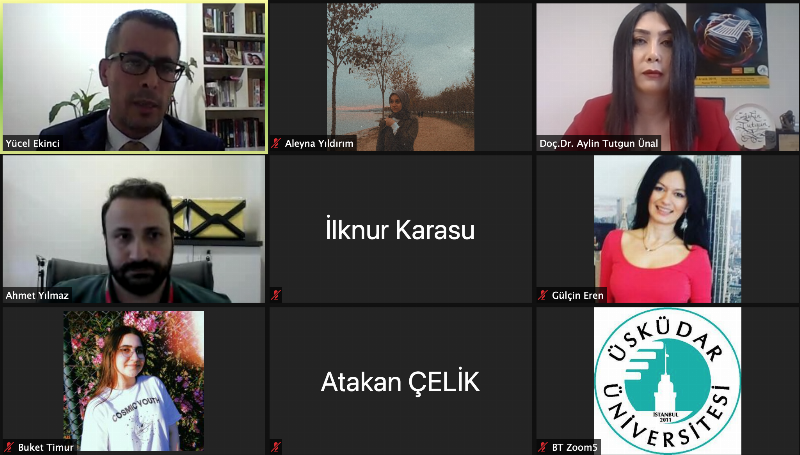
The event was attended by Associate Professor Dr. Aylin Tutgun Ünal, Director of Üsküdar Üniversitesi Solution-Oriented Women's Issues Application and Research Center, Expert Clinical Psychologist Ahmet Yılmaz, and New Media Specialist Yücel Ekinci.
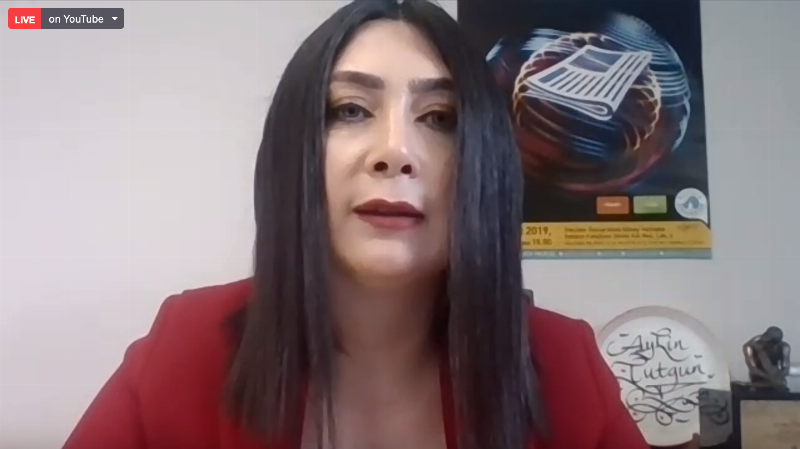
“Internet addiction was a concept introduced jokingly”
Associate Professor Dr. Aylin Tutgun Ünal, speaking about new internet diseases, said; “With the advent of our age, digital media has led to many diseases. Along with this, some concepts emerged. Internet addiction is a concept introduced jokingly by Goldberg in 1995-1996. When Goldberg introduced the concept of internet addiction purely as a joke, researchers in many fields took it seriously and later conducted studies, arguing that such a disorder truly existed. Subsequently, we always saw this as an ongoing journey with different concepts such as technology addiction, television and radio addiction, media addiction, and social media addiction.”
“Generation Z trusts the internet instead of doctors”
Ünal stated that the level of cyberchondria is high in Generation Z; “Today's youth don't want to get off the internet. When they notice a symptom in themselves, they say, 'I'll look it up on the internet, I won't go to the doctor.' In our findings, young people were the group with the highest level in terms of age. This is a very dangerous situation. Young people are trying to self-diagnose. There is even a dimension on the scales about convincing the doctor. This generation brings themselves to a level where they can even convince a doctor. Generation Z trusts the internet instead of doctors.”
“Cyberchondria has become a phenomenon as an internet-related illness”
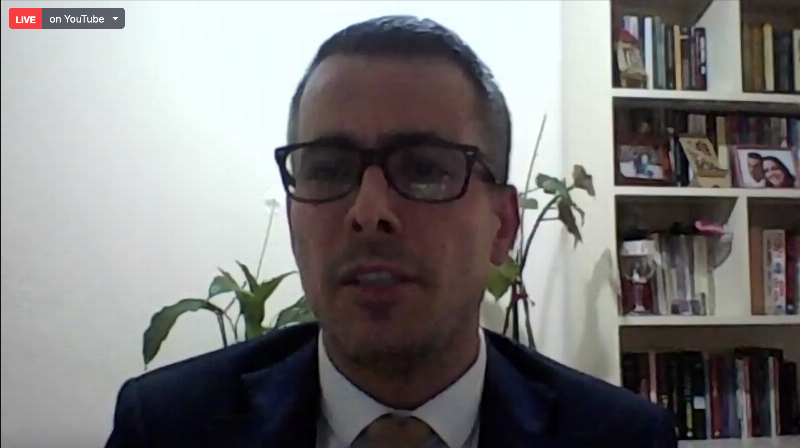
Yücel Ekinci stated that cyberchondria has become a new phenomenon among internet-related illnesses; “We conduct internet health searches. Especially with the emergence of Covid-19 and all citizens being caught unprepared, a disease called coronaphobia also began. As a result, internet searches, especially for health information, increased significantly. Cyberchondria is the condition where an individual attempts to self-diagnose or seek treatment by searching for information, documents, and treatment methods online about illnesses they believe they have. It is defined as an anxiety disorder that develops from repeatedly searching for days, or even weeks, to see if there is any information or document they might have missed about their illness. Cyberchondria has become a phenomenon as an internet-related illness.”
“Generation Z has an intense anxiety disorder”
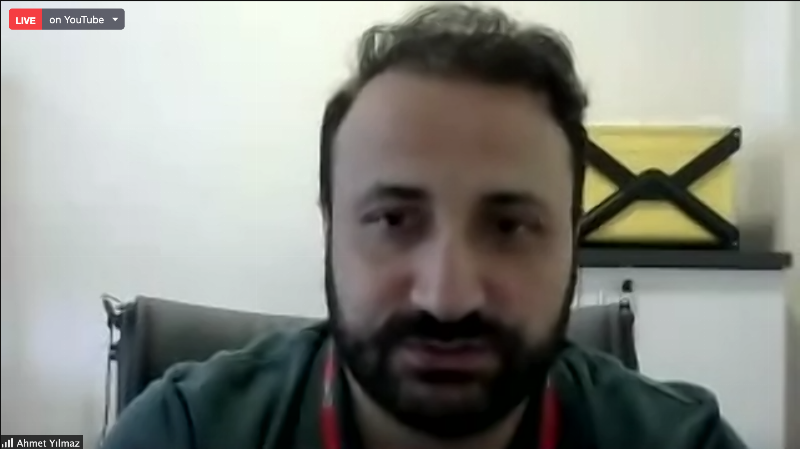
Expert Clinical Psychologist Ahmet Yılmaz discussed the reasons for the high level of cyberchondria in Generation Z. Yılmaz said; “According to an article, the onset age of what we call anxiety disorder is 17. This means anxiety disorder starts at age 17. So, in fact, there is intense anxiety and an anxiety disorder in what we call Generation Z. Some people, when a doctor prescribes medicine, take it as many times as necessary when they get home, and the matter is over. If they experience an adverse reaction, they go to the doctor and say, 'The medicine didn't work for me.' Some people, however, take the box, open it, read the leaflet, check everything, and hesitate whether to take it or not. They worry about the side effects. Actually, the fundamental difference between the two types of people is anxiety disorder and what we call obsessive personality. That's why these individuals in the new generation look to accessibility. People with anxiety disorder and obsessive tendencies want immediate results, so they open the internet and start researching immediately. Because anxiety is very intense in what we call Generation Z, and they are also born into technology, they quickly go online and search.”
Share
Update Date: February 27, 2026
Creation Date: June 04, 2021
Request a Call
Other News
- The book that read today's digital threats in 2014: Being a Conscious Family
- Experts warn: 'Instead of memorizing letters, teach pencil grip, scissor use, and coloring'
- School fear and school love both start in the family!
- Family is not merely transforming, it is being battered under a serious assault
- Artificial intelligence opens the door to early diagnosis in autism!