

During the period of uncertainty that began with the pandemic, one of people's main concerns is what their future will hold. During the pandemic, which has increased anxiety levels as it prolonged, the inclination towards those who make predictions about the future also increased. So, does interest in astrology and fortune-telling increase during crises like pandemics? Is this choice healthy? Sputnik addressed the issue.
Content
Why is the interest in astrology and fortune-telling increasing during the pandemic?
People have a curiosity about the future in their genes, and even the need for religion and belief is closely related to this feeling.
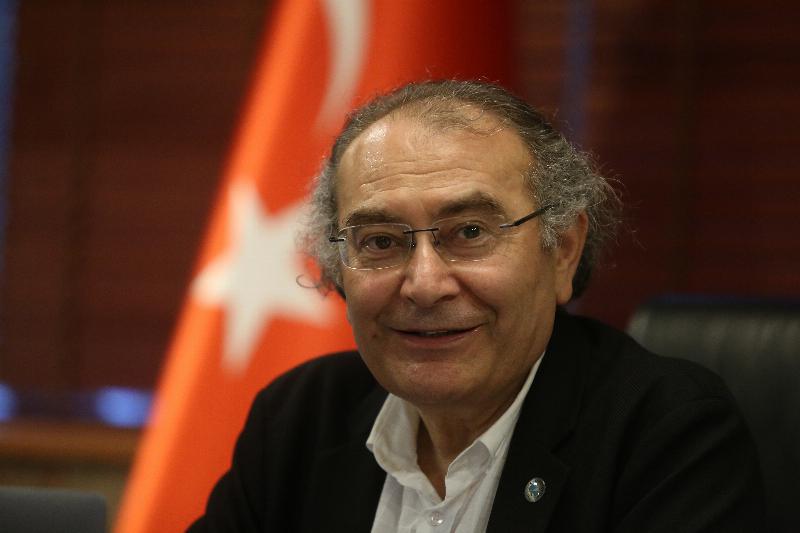
So, where does people's curiosity about the future come from? The answer to this question is provided by Prof. Dr. Nevzat Tarhan, Founding Rector of Üsküdar Üniversitesi. Prof. Dr. Tarhan states that people have codes in their genes to be curious about the future, emphasizing that humans develop the ability to create projections about the future. Tarhan says, 'The feeling of curiosity about the future is unique to humans. Due to this characteristic, people start to question what will happen in the future. Indeed, religion and the need for belief are also closely related. People experience fear about the possibility of something happening that they cannot foresee. For this anxiety, an ability related to predictability and forecastability develops. The skill of predictability is scientifically present in wise people. They read the past well, and their power to predict the future is high. In psychology, individuals with mature defense mechanisms predict the future better. However, those who turn to fortune-telling create a shortcut. They don't burden their minds; they go to someone and have their stars read, trying to make decisions by extracting meaning from past horoscopes and so on,' he stated.
'It is necessary not to believe fortune-tellers or those who make predictions without filtering it through reason.'
Tarhan said, 'We cannot eradicate fortune-telling because it meets a need. But if one takes the information from astrology seriously and believes the information that comes from it, they lose touch with reality. For example, schizophrenic patients believe in the dreams they see and act accordingly, or believe in someone with divine grace and arrange their lives according to them. In such cases, the person misuses their mind regarding physical reality. It is necessary not to believe fortune-tellers or those in this situation without filtering it through reason,' he said.
'Anyone who believes those who come out and say 'I am an astrologer' would have made a schizophrenic choice.'
Tarhan stated that fortune-tellers or astrologers read the micro-expressions of the person in front of them with the experience gained from seeing many people. 'People who pretend to be fortune-tellers or astrologers are actually more intelligent than the people who consult them. They read the micro-expressions of the person in front of them and say things accordingly, based on their reactions. They grasp things with the intuitive intelligence gained from seeing hundreds of people. Astrology is not a branch of science. It is not accepted as a branch of science; people only take it seriously when 'logy' is added to its end. This is a philosophical view, an attitude. Anyone who believes those who come out and say 'I am an astrologer' would have made a schizophrenic choice. One can question it, but believing it is similar to surrendering one's life to another,' he stated.
'They use advanced therapy techniques without being qualified.'
Tarhan said, 'For example, someone goes to a fortune-teller, and the fortune-teller takes out a key. 'Go throw this into the sea, but don't look back; if you do, it will be ruined,' they say. This actually resembles some techniques we use in advanced therapy. But these people have no competence or training when doing this,' he said.
'The pandemic increased anxiety; intelligent people seek scientific help in such uncertainties and shape their lives accordingly.'
Tarhan pointed out that people's anxieties increased due to crisis periods like the pandemic. 'Due to COVID-19, people's anxiety increased. Anxiety about the future and uncertainty emerged and are increasing as they prolong. Intelligent people seek scientific help in such uncertainties and shape their lives accordingly. If they feel helpless and desperate, they turn to rational, sensible beliefs. They take refuge in this strong belief and find comfort. For example, believers in monotheistic religions can provide an explanation for the afterlife,' he added.
Share
Update Date: February 27, 2026
Creation Date: March 18, 2021