

Psychiatrist Prof. Dr. Nevzat Tarhan emphasized that the primary duty of parents is not to make their children happy, but to prepare them for life; stating that children should be told about life's pains and the difficulties that can be experienced in matters related to earthquakes. Prof. Dr. Nevzat Tarhan stated that children's behaviors differ according to age groups, emphasizing that preschool and school-age children observe their parents, and if parents are calm and do not panic, fears in children will also decrease. Tarhan said, 'In disaster situations, children who lose their first-degree relatives experience serious trauma. It would be a benevolent approach to tell children about their deceased relatives in a way like, "They embarked on a long journey, they will not return, but we will go to them." '
Content
When Parents Act Calmly, Fear Decreases in Children…
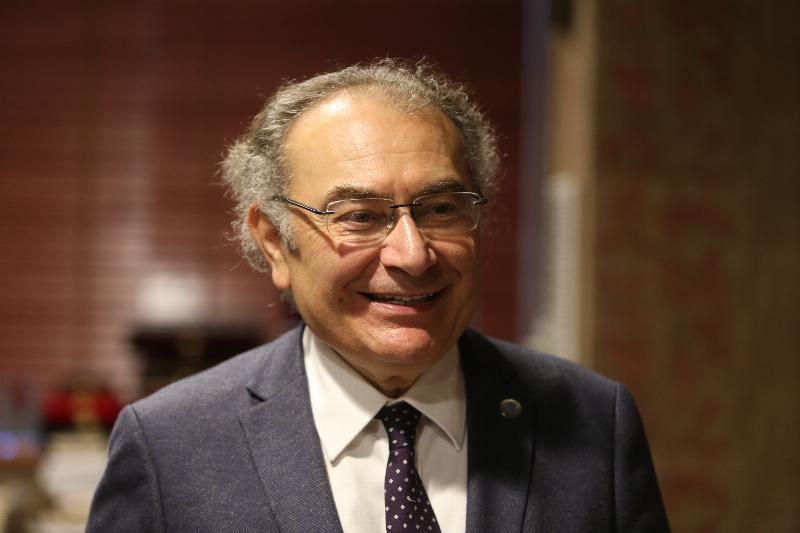
Üsküdar Üniversitesi Founding Rector, Psychiatrist Prof. Dr. Nevzat Tarhan, addressed the changes caused in children's lives by disasters with destructive effects such as earthquakes, and shared advice on how parents should approach children.
Instead of ignoring the earthquake, it needs to be explained to the child
Prof. Dr. Nevzat Tarhan emphasized that the duty of parents is not to make their children happy, but to prepare them for life, saying, 'For this, it is necessary to explain life's pains, difficulties, and challenges related to earthquakes to the child. Life events can be discussed with the child without losing the feeling of hope. Whether it's an earthquake or another vital event, even the death of a fish in an aquarium should be discussed with the child. Because when the fish in the aquarium dies, the child experiences trauma. Therefore, we can help children cope with the earthquake more healthily not by shielding them from or ignoring these earthquake events, but by discussing and explaining the earthquake in a way appropriate for their age.'
Children model their parents
Prof. Dr. Nevzat Tarhan stated that in events causing destructive effects like earthquakes, human life cannot continue perfectly and beautifully, saying, 'Such negative events can occur in a person's life. There is a dimension of pain, but in reality, sadness and pain are part of growth and development. Pains exist not to alienate us from life, to scare us, or to make us flee, but to develop us. Such situations can be explained to children in a way they understand, keeping the feeling of hope and trust alive, by saying, 'life also has these aspects.' Children's behaviors change according to their age group. Preschool and school-age children observe their parents. If parents are calm and do not panic, the child models this, and their fear decreases.'
Children who lose relatives experience serious trauma
Prof. Dr. Nevzat Tarhan stated that in disaster situations, children who lose their first-degree relatives experience the most severe trauma, and continued his words as follows:
'If they have someone they have formed a bond of trust with, those children overcome it easily, but if they don't have such a person, they struggle. If we talk to children about their deceased relatives in a way like, 'They embarked on a long journey, they will not return, but we will go to them,' this is an opportunity to be benevolent and convey a message. This situation has served as an opportunity for us to learn how limited our control over life is. Children can also be taught a perspective on understanding and helping disadvantaged people there. Many children sent their piggy banks. Children are more innocent. Since they have not encountered much evil, they find it difficult to understand such situations. It is an opportunity for them to confront this painful side of life, prepare themselves, and mature. Past generations grew up in scarcity. Current generations, having grown up in abundance, never considered earthquake events or any vital events as an option. In fact, life also has unforeseen and unexpected surprises that must be faced.'
Share
Request a Call
Other News
- The book that read today's digital threats in 2014: Being a Conscious Family
- Experts warn: 'Instead of memorizing letters, teach pencil grip, scissor use, and coloring'
- School fear and school love both start in the family!
- Family is not merely transforming, it is being battered under a serious assault
- Artificial intelligence opens the door to early diagnosis in autism!