

Experts state that every woman wants to experience a healthy pregnancy and give birth to a healthy baby, and emphasize that prenatal care for a healthy pregnancy should begin in the preconception period. Lecturer Esra Tavukçu, emphasizing the extreme importance of nutrition before and after pregnancy, stated that exercises performed during pregnancy also provide benefits and recommended exercising at a moderate pace for at least 30 minutes a day, 5 days a week. Tavukçu advises expectant mothers and fathers to quit smoking, alcohol, and substance use before pregnancy due to their negative effects on both baby and parent health.
Content
What should be done for a healthy pregnancy?
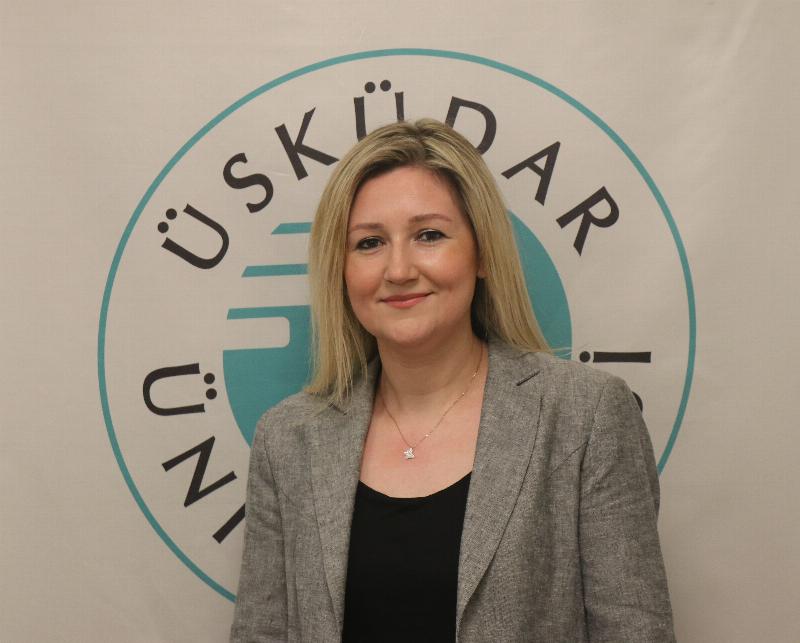
Important advice from experts to expectant mothers and fathers…
Lecturer Esra Tavukçu from Üsküdar Üniversitesi Faculty of Health Sciences, Midwifery Department, made important evaluations and shared recommendations on points to consider before and during pregnancy for a healthy pregnancy period.
Care should be initiated before pregnancy
Stating that every woman wants to have a healthy pregnancy and give birth to a healthy baby, Lecturer Esra Tavukçu said, “For a healthy pregnancy, birth, and postpartum period, prenatal care needs to be initiated in the preconception period. By the time women become aware of their pregnancy and come for their first prenatal check-up, organogenesis, which is the process of organ development in the baby in the womb, is already complete. In other words, preconception risks are not detected, it's too late to prevent disabilities and permanent diseases, and intervention opportunities are missed.”
Negative effects are significantly reduced
Lecturer Esra Tavukçu emphasized that if interventions are made before pregnancy, the negative effects of chronic diseases, harmful habits, and infections on the baby are significantly reduced compared to interventions during pregnancy. She added, “Therefore, to prevent all these negative outcomes and improve maternal and child health, it is of great importance for all couples planning a pregnancy to receive preconception care. Within the scope of preconception care, couples are evaluated based on parameters related to nutrition, medication use in early pregnancy, radiation exposure, family history and genetic risk, exposure to teratogens, smoking and substance use, vaccination, high-risk behaviors, and environmental factors, thereby having the chance to take necessary precautions before pregnancy.”
Importance should be given to nutrition and exercise during pregnancy
Tavukçu pointed out that nutrition is an extremely important issue in the pre- and post-pregnancy periods, stating, “While nutritional deficiency in women accounts for 20 percent of maternal deaths, stillbirth and low birth weight babies are important risk factors for preterm birth. For a healthy pregnancy, expectant mothers need to acquire adequate and balanced eating habits. It is quite important that this habit starts from the preconception period. Exercises performed during pregnancy are known to be associated with a decrease in the incidence of gestational diabetes, and a reduction in the rates of cesarean delivery and operative vaginal delivery. Accordingly, women planning pregnancy are advised to exercise at a moderate pace for at least 30 minutes a day, 5 days a week.”
Smoking and alcohol should be quit before pregnancy
Tavukçu stated, 'Smoking during pregnancy is known to be associated with intrauterine growth restriction, low birth weight babies, preterm birth, stillbirth, placental disorders, and ectopic pregnancy,' and continued:
“Smoking by expectant fathers negatively affects sperm quality. Alcohol is known to be teratogenic, meaning it can cause anomalies in the baby in the womb. Alcohol consumption in the preconception period is known to have a negative effect on reproductive cells and to triple the risk of congenital heart defects. Alcohol consumed during pregnancy is stated to cause pregnancy losses in the first three months of pregnancy, to increase the risk of preterm birth in later months, and to affect central nervous system development, leading to intellectual disability. Therefore, expectant mothers and fathers who use cigarettes, alcohol, and other substances need to have quit these habits in the preconception period.”
Risks can be detected with examinations
Lecturer Esra Tavukçu from Üsküdar Üniversitesi Faculty of Health Sciences, Midwifery Department, stated that women who wish to become pregnant should receive counseling and care services from a healthcare professional at least three months in advance, adding, “Risks for pregnancy should be identified with a detailed patient history, general examination, and tests,” and listed the examinations performed on women during these check-ups:
Medical history
Physical Examination: With a physical examination, the woman's vital signs (pulse, respiration, temperature, blood pressure), height-weight status are evaluated. Physical posture, skin, eye examination, palpable mass, etc., are assessed. Breast examination is performed. The uterus and ovaries are checked with ultrasound. If necessary, ECG is added to the examination.
Laboratory Findings: Complete blood count (Hemogram), blood group typing, complete urinalysis, fasting blood sugar, liver and kidney function tests, bleeding profile (bleeding and coagulation times, APTT, PTT, fibrinogen), Hepatitis B, Hepatitis C, HIV tests, TSH, TORCH test (Toxoplasma, Rubella, CMV, Herpes) infections are investigated.
PAP Smear test: The Pap smear is used as a standard for cervical cancer screening. The test is used to detect cervical cancer in its early stages, as well as sexually transmitted infections such as chlamydia and trichomoniasis, and must be performed in women planning pregnancy.
If there is a history of recurrent miscarriages, genetic screening is performed.
Share
Update Date: March 01, 2026
Creation Date: December 16, 2022
Request a Call
Other News
- Social responsibility courses moved to the field
- Erasmus+ Orientation Week completed at Üsküdar
- Prof. Nevzat Tarhan: “Brain secretes ‘dark glue’ in social media lynchers!”
- Prof. Nevzat Tarhan: “Every segment of society should be able to say, ‘This constitution is my constitution!’”
- OHS releases guide for safe operation of industrial robots