

Experts state that walking is a simple and free way to be more active, and they emphasize that brisk walking helps gain endurance, achieve weight control, and make the heart healthier. Experts recommend that those who want to lose weight walk 5-7 days a week for 45-60 minutes or more at a moderate-to-vigorous intensity level, and they advise using breaks for a 10-15 minute brisk walk. Experts also suggest taking a 10-15 minute brisk walk before or after meals.
Content
Walk during breaks for your health!
World Walking Day, initiated in 1991 by The Association For International Sport for All (TAFISA), aims to be a simple and fun celebration method against the global crisis of physical inactivity and for being physically active. In our country, October 3-4 are celebrated as walking days.
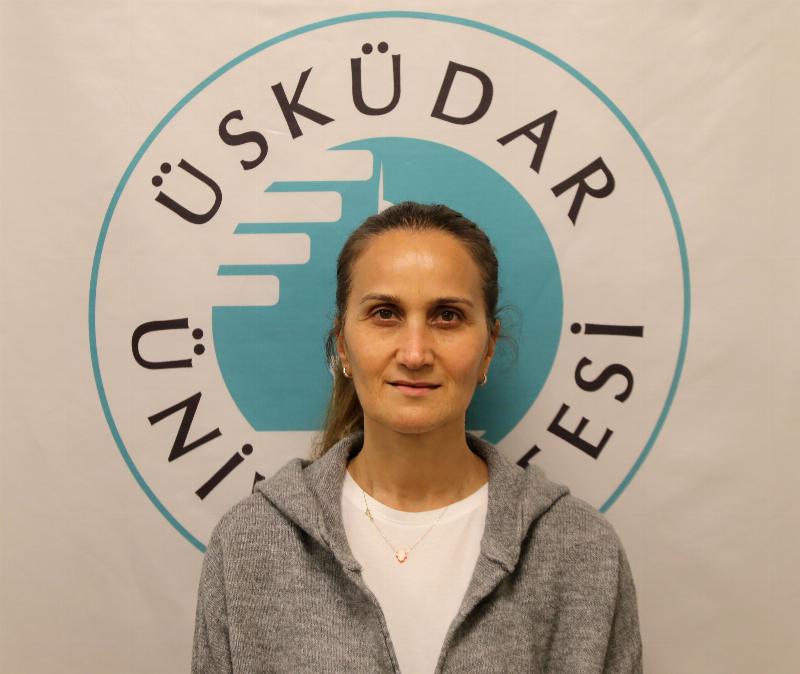
Prof. Dr. Deniz Demirci, Head of the Physiotherapy and Rehabilitation Department at Üsküdar Üniversitesi Faculty of Health Sciences, drew attention to the importance of walking and the points to consider while walking.
Brisk walking offers many benefits
Stating that walking is one of the easiest ways to be more active simply and for free, to lose weight, and to be healthier, Prof. Dr. Deniz Demirci said, “Whether you choose a solitary outdoor trail in nature, a busy route on city sidewalks, a treadmill workout, or a few laps around your office building, walking is a relatively accessible way to stay active. As a form of exercise, brisk walking can help you gain endurance, achieve weight control, and make your heart healthier. Moderate-intensity physical activity improves sleep, memory, and the ability to think and learn, and also reduces symptoms of anxiety.”
Improves blood flow, can lower blood pressure
Emphasizing that walking is a type of cardiovascular physical activity that increases heart rate, Prof. Dr. Deniz Demirci said, “This improves blood flow and can lower blood pressure. It helps increase energy levels by releasing certain hormones like endorphins and supplying oxygen to the body. Brisk walking is considered a moderate-intensity, low-impact exercise and does not put excessive strain on joints such as the hips, knees, and ankles, which are prone to injury in higher-impact exercises.”
At least 150-300 minutes of moderate-intensity exercise recommended per week
Noting that according to the Physical Activity Guidelines published in 2018, adults with chronic conditions are recommended to engage in at least 150-300 minutes of moderate-intensity aerobic physical activity per week if possible, Prof. Dr. Deniz Demirci stated, “Walking is an exercise that meets this aerobic component and is associated with improving high blood pressure and body mass index, as well as reducing the risk of diabetes, stroke, cardiovascular disease, and premature death. The pace, duration, and frequency of walking can be adjusted depending on one's initial fitness level, allowing almost everyone to use walking as exercise.”
Is it possible to lose weight with walking?
Stating that various improvements are noticed in the body after implementing a regular walking program within approximately two weeks, Prof. Dr. Deniz Demirci said, “Developments such as a decrease in blood pressure, stronger leg muscles, and an increase in daily energy levels are observed. Weight loss will occur when you maintain a regular walking program, but this requires time and patience. Those who want to lose weight should gradually work towards a walking program 5-7 days a week, for 45-60 minutes or more, at a moderate-to-vigorous intensity level (with heartbeats at 50-85% of your maximum heart rate). To achieve significant weight loss, a combination of exercise and calorie reduction in your diet is recommended. To increase muscle mass and target muscles throughout your entire body in addition to your legs, it is advisable to add a strength training component to your exercise program.”
Take a 10-15 minute brisk walk during your breaks
Prof. Dr. Deniz Demirci listed his recommendations regarding walking as follows:
Exercise at least 30 minutes of moderate intensity most days of the week.
Walk to work 1-2 times a week.
Take a 10-15 minute brisk walk during your breaks.
Take a 10-15 minute brisk walk before or after meals.
Take the stairs; avoid using elevators and escalators.
Be active even when you're at home.
Do some yard work or gardening.
Walk your dog.
Walk to the grocery store.
Prof. Dr. Deniz Demirci also listed his recommendations for safe walking as follows:
Walk on sidewalks where possible. If walking on streets, always face oncoming traffic.
Avoid walking after dark. If you choose to walk, do so on well-lit streets, wear reflective accessories and light-colored clothing, and carry a flashlight, a whistle, and a cell phone.
Walk with a purpose. Try to appear as if you know where you're going, and walk briskly.
Let someone know where and when you'll be walking so they know your whereabouts and when you'll return.
Share
Update Date: March 01, 2026
Creation Date: October 05, 2022
Request a Call
Other News
- The book that read today's digital threats in 2014: Being a Conscious Family
- Experts warn: 'Instead of memorizing letters, teach pencil grip, scissor use, and coloring'
- School fear and school love both start in the family!
- Family is not merely transforming, it is being battered under a serious assault
- Artificial intelligence opens the door to early diagnosis in autism!