

Experts state that liver cancer arises from many risk factors such as chronic Hepatitis B or C, obesity, excessive alcohol consumption, and fatty liver diseases, and that the cancer can develop seriously, but with early diagnosis and treatment, positive outcomes can be achieved for many patients. Prof. Dr. Murat Kalemoğlu notes that unexplained weight and appetite loss, upper abdominal pain, easy bruising or bleeding can be symptoms of liver cancer, and points out that liver cancer can also affect people with healthy livers who do not have any underlying conditions. Prof. Dr. Murat Kalemoğlu recommends getting vaccinated against Hepatitis B, avoiding behaviors that can lead to Hepatitis C, refraining from excessive alcohol consumption, and staying away from smoking to reduce the risk of liver cancer.
Content
Unexplained weight loss and upper abdominal pain indicate liver cancer…
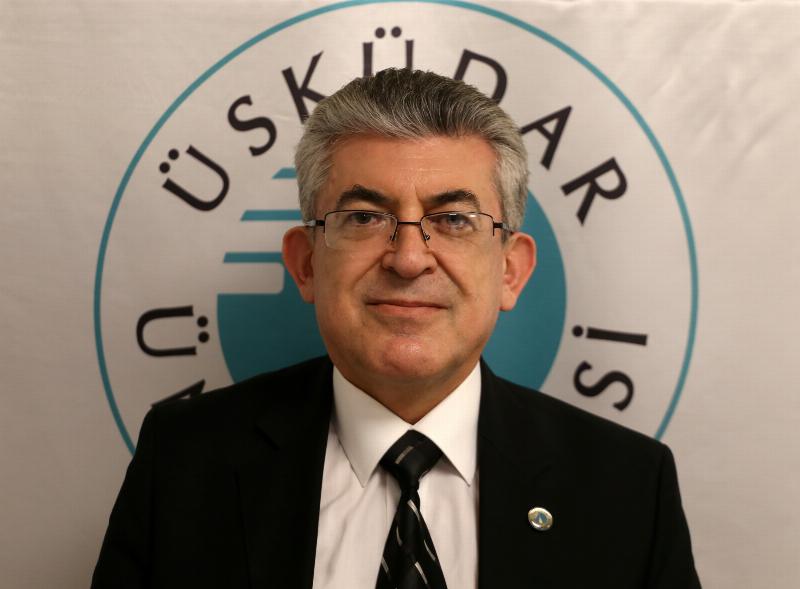
What should be done to reduce the risk of liver cancer?
Üsküdar Üniversitesi Faculty of Medicine Deputy Dean and Head of Surgical Medical Sciences Department, Prof. Dr. Murat Kalemoğlu, made evaluations about liver cancer and shared very important recommendations.
Emphasizing that the liver is a vital internal organ, Prof. Dr. Murat Kalemoğlu said, “Liver cancer begins in liver cells that perform many important functions, including removing harmful chemicals and other substances from the blood, storing nutrients the body uses for energy, and producing bile to help the body digest fats.”
With early diagnosis and treatment, the process can yield positive results
Prof. Dr. Murat Kalemoğlu stated that liver cancer can develop seriously, but with early diagnosis and treatment, positive outcomes can be achieved for many patients. He added that many people with liver cancer do not experience any symptoms and listed the potential symptoms as follows:
Unexplained weight loss,
Loss of appetite,
Yellowing of the skin or whites of the eyes (jaundice),
Upper abdominal pain,
Abdominal swelling or bloating,
Nausea or vomiting,
Fatigue, weakness, exhaustion,
Chalky and whitish stools,
Dark urine,
Easy bruising or bleeding.
Excessive alcohol consumption is an important risk factor…
Prof. Dr. Murat Kalemoğlu emphasized that liver cancer is often a side effect of cirrhosis, stating, “Cirrhosis is usually the result of other liver diseases such as hepatitis, fatty liver disease, or chronic alcohol use. It can also result from other conditions, lifestyle, or medications.”
Prof. Dr. Murat Kalemoğlu mentioned the risk factors that increase the chance of developing liver cancer as follows:
Liver cirrhosis, chronic hepatitis B or hepatitis C,
Smoking,
Being overweight or obese,
Certain hereditary diseases such as Wilson's disease (a rare disease that causes copper poisoning) or hemochromatosis (excessive iron accumulation in the liver),
Excessive alcohol consumption,
Diabetes,
Foods containing aflatoxin (a fungus that can grow on improperly stored grains and nuts),
Non-alcoholic fatty liver disease (fat accumulation in the liver), and,
Age over 60.
It can also affect healthy individuals
Prof. Dr. Murat Kalemoğlu stated that liver cancer can affect everyone, adding, “However, liver cancer is more common in people with other conditions that damage the liver, including liver inflammation and cirrhosis, usually caused by a virus such as hepatitis B or C. Liver cancer can also affect people with healthy livers who do not have any underlying conditions. In these cases, scientists believe that liver cells develop defects or mutations in their DNA that cause them to grow out of control and form a tumor.”
Here are recommendations for preventing liver cancer…
Prof. Dr. Murat Kalemoğlu stated that there is no way to completely eliminate the risk of liver cancer, but certain lifestyle measures can help reduce the likelihood of contracting the disease, and he listed his recommendations for prevention as follows:
Do not drink too much alcohol. Women should not drink more than one drink per day, and men should not drink more than two drinks per day.
Get vaccinated against Hepatitis B. Hepatitis B vaccination is recommended for all infants at birth and for adults at risk of developing the infection.
Avoid behaviors that can lead to Hepatitis C. To reduce the risk of Hepatitis C, practice safe sex, do not share needles, and choose clean, safe shops for tattoos and piercings.
Maintain a healthy weight. Exercise and follow a healthy diet to support weight loss.
Do not smoke. To reduce your risk of developing liver cancer, quit smoking or do not start.
Get monitored. Individuals at risk of liver cancer, including those who consume excessive alcohol or have liver disease, should undergo screening tests.
Share
Request a Call
Other News
- The book that read today's digital threats in 2014: Being a Conscious Family
- Experts warn: 'Instead of memorizing letters, teach pencil grip, scissor use, and coloring'
- School fear and school love both start in the family!
- Family is not merely transforming, it is being battered under a serious assault
- Artificial intelligence opens the door to early diagnosis in autism!