

The burning of the Holy Quran in front of Turkey's Embassy in Stockholm led to increased tension with Sweden and brought Turkey to the point of vetoing Sweden's NATO membership. Political scientist Prof. Dr. Havva Kök Arslan reminded that Sweden and Finland have not yet extradited members of anti-Turkish terrorist organizations harbored in their countries, despite their commitments. She stated that relations, strained due to uncertainty, have recently worsened with openly provocative actions targeting Turkey and President Recep Tayyip Erdoğan. Prof. Dr. Havva Kök Arslan said, “The act of burning the Holy Quran clearly demonstrated the necessity for Turkey to reconsider supporting Sweden's NATO membership. Turkey is justified in expecting support.”
Content
Turkey Should Reconsider Supporting Sweden's NATO Membership
Sweden and Finland Did Not Fulfill Their Commitments
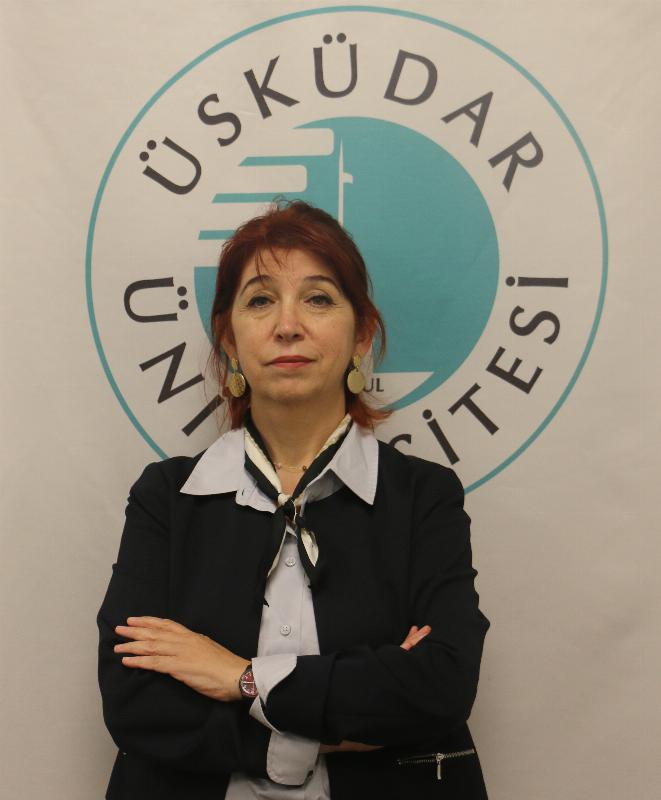
The burning of the Holy Quran near Turkey's Embassy in Stockholm by far-right politician Rasmus Paludan recently led to increased tension between the two countries. Prof. Dr. Havva Kök Arslan, Head of the Department of Political Science and International Relations (English) at Üsküdar Üniversitesi Faculty of Humanities and Social Sciences, and Res. Asst. Ali Ekmekçi made important evaluations regarding Sweden and Finland's NATO membership process and the current tension.
Prof. Dr. Havva Kök Arslan: “Russia's Invasion Worries Sweden and Finland”
Prof. Dr. Havva Kök Arslan pointed out that since Russia's invasion of Ukraine, Sweden and Finland's perception of Russia-sourced threats has increased. She said, “For this reason, these two countries becoming part of the NATO security umbrella came to the agenda, and their memberships began to be discussed. Since the accession of a new member to NATO requires the unanimous consent of existing members, it became necessary to persuade Turkey regarding the membership of the two countries. Turkey's most important condition for supporting NATO membership was the extradition of members of anti-Turkish terrorist organizations harbored by Sweden and Finland in their countries. Despite Turkey's requests to these countries for the extradition of numerous terrorists over the past 5 years, it had not received a positive response.”
Prof. Dr. Havva Kök Arslan: “Relations Worsened with Openly Provocative Actions”
Prof. Dr. Havva Kök Arslan stated that Turkey lifted its veto on their membership after receiving positive commitments from these countries regarding its demands before the NATO summit last June. She added, “However, while extraditions were expected as concrete steps on these issues after the agreement and commitment, the necessary legal procedures were not initiated, and Turkey's demands continued to be postponed. Relations, strained due to this uncertainty, have recently worsened with openly provocative actions targeting Turkey and Erdoğan.”
Prof. Dr. Havva Kök Arslan: “Turkey is Justified in Expecting Support”
Prof. Dr. Havva Kök Arslan stated, 'Last week's act of burning the Holy Quran clearly revealed the necessity for Turkey to reconsider supporting Sweden's NATO membership,' and continued her words as follows:
“The fact that the act took place in front of the Turkish Embassy in Stockholm is a clear indication that the act has an agenda related to current international relations in its background. It can be assumed that there are those who aim to further strain relations between Turkey and Sweden through these actions. On the other hand, it is also probable that as a result of increased tension, Turkey might revert to a veto position regarding Sweden's NATO membership and prevent its accession. At this point, it is Turkey's natural right to expect its interests as a NATO member to be supported by other members. In this sense, we can say that Sweden, as a candidate country for NATO membership, is obliged to consider the interests of its future allies. Given that most of the individuals whose extradition Turkey requests are members of the PKK, which is considered a terrorist organization by many countries, Sweden should not show tolerance towards these individuals in a manner consistent with other NATO members.”
Res. Asst. Ali Ekmekçi: “Sweden May Approach Turkey to Avoid Isolation”
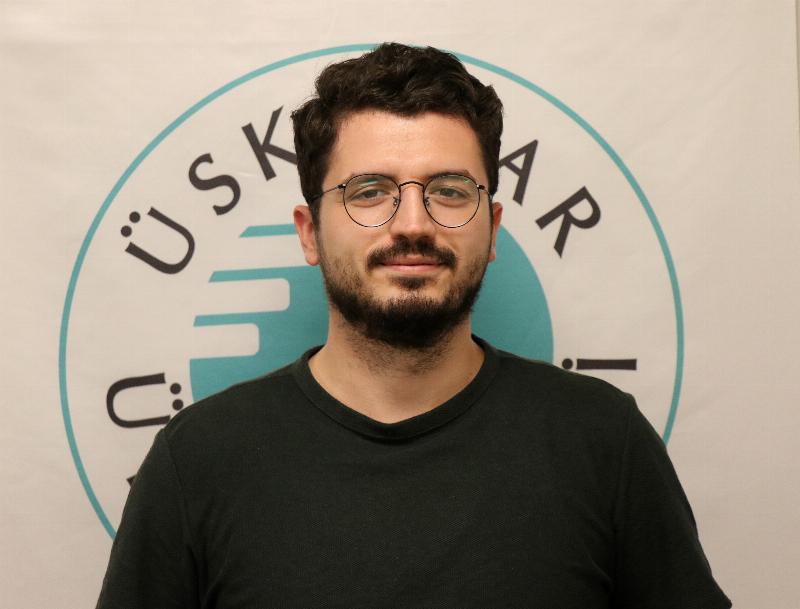
Res. Asst. Ali Ekmekçi from Üsküdar Üniversitesi Political Science Department commented on the issue, stating, “Specifically regarding the recent burning of the Holy Quran, while Sweden views this act within legal limits as freedom of expression according to its own laws, if it wishes to maintain good relations with Turkey, it is expected to explicitly condemn these individuals and actions. On the other hand, the Finnish Foreign Minister's criticism of the provocative actions in Sweden, stating that these actions jeopardize the security of Sweden and Finland, was an important move. The Minister's statement, 'We may have to proceed without Sweden' regarding membership talks, could actually provide Turkey with the opportunity to increase pressure on Sweden to fulfill its demands. Negotiations continuing solely with Finland could lead Sweden to intensify its efforts to rapprochement with Turkey to avoid isolation in the process,” he remarked.
Res. Asst. Ali Ekmekçi: “Scenarios of Continued Conflict and Crises May Arise”
Res. Asst. Ali Ekmekçi stated that these developments should also be evaluated in light of the increasing tension between Turkey and the US and NATO in recent years. He said, “Turkey's previous disagreements over the purchase of Patriot defense systems and F-35 aircraft, and its turn towards alternatives outside the Western Bloc, led to a re-evaluation of relations between Turkey and the West at certain points. Despite Turkey's attempts to support Sweden and Finland regarding NATO to address its security concerns, the failure to fulfill the expected commitments continues to trigger Western-Turkey tension. Turkey's observation that it is not receiving the necessary support leads to an increase in its own security concerns. This, undoubtedly, will not benefit any country in a world where common security is valued. Scenarios of continued conflict and crises may emerge,” he concluded.
Share
Request a Call
Other News
- Experts warn: 'Instead of memorizing letters, teach pencil grip, scissor use, and coloring'
- School fear and school love both start in the family!
- Family is not merely transforming, it is being battered under a serious assault
- Artificial intelligence opens the door to early diagnosis in autism!
- Artificial intelligence doesn't end engineering, it transforms it!