

Nurses are on the front lines in the fight against the Covid-19 pandemic, which has affected the entire world for over a year. Experts point out that the importance of the nursing profession has been better understood during the pandemic. Experts emphasize that in the pandemic days when people were fleeing from each other, unable to approach or touch each other, nurses were the greatest supporters closest to the patients, and that nurses actively took part in the treatment and care process of positive patients, as well as protecting individuals of all ages from the pandemic, for the society to regain its health. Experts also indicate that nurses were heavily affected by this process, experiencing stress and burnout.
Content
They Stood Closest When Everyone Was Keeping Their Distance…
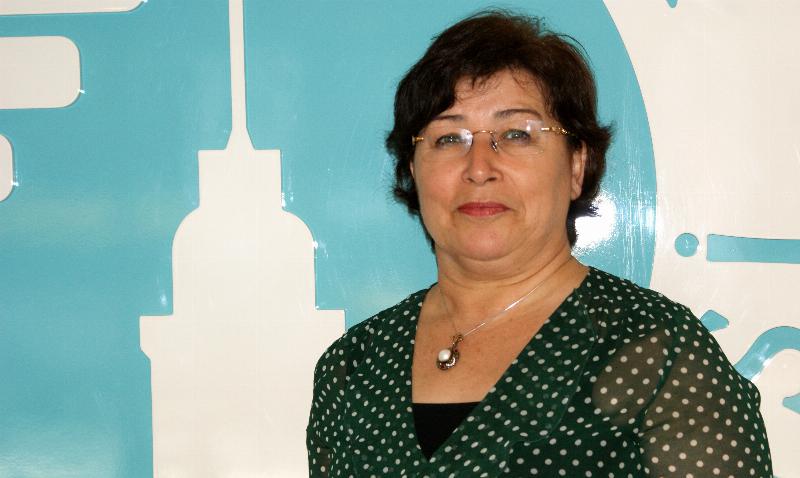
Prof. Dr. Selma Doğan, Head of the Nursing Department at Üsküdar Üniversitesi Faculty of Health Sciences, made evaluations on the importance of nursing in the Covid-19 pandemic in her statement on May 12, Nurses' Day.
Prof. Dr. Selma Doğan: “Nurses are on the front lines of the struggle”
Prof. Dr. Selma Doğan noted that the Covid-19 pandemic, which has affected the entire world for over a year, has impacted all sectors but has most significantly increased the burden on health services. She said, “During this process, healthcare professionals have continued their work with great dedication. Nurses are at the forefront of healthcare professionals fighting the Covid-19 pandemic. Nurses, who play a vital role in protecting and promoting public health and providing health services, are on the front lines in the war against the Covid-19 pandemic, risking their own and their loved ones' health, and providing uninterrupted service 24 hours a day with great dedication amidst an intense work pace. Nurses are making great efforts to meet all kinds of healthcare needs of Covid-19 patients at the closest possible distance during these most difficult times.”
Prof. Dr. Selma Doğan: “The Year 2020 was Declared the International Year of the Nurse and Midwife”
Prof. Dr. Selma Doğan stated, “Nurses, who constitute more than half of the healthcare team, have been defined by the World Health Organization and the International Council of Nurses as 'the most important human resource in improving the quality of health services,' and the past year 2020 was declared the 'International Year of the Nurse and Midwife'.”
Prof. Dr. Selma Doğan: “They take part in the protection of public health and treatment processes”
Stating that nurses actively participate in the extraordinary fight against the Covid-19 pandemic worldwide and in our country, for both the protection of individuals of all ages from Covid-19 and the treatment and care processes of Covid-19 positive individuals, to restore public health, Prof. Dr. Selma Doğan said: “In the fight against Covid-19, nurses provide protective services to individuals of all age groups in institutions such as family health centers, schools, workplaces, and nursing homes, including community education on Covid-19 and prevention, surveillance activities, vaccination, sanitation and social isolation practices, home visits, and home care services, while also continuously carrying out basic and advanced treatment and care for their patients in wards and intensive care units in hospitals.”
Prof. Dr. Selma Doğan: “The importance of the nursing profession has been understood”
Prof. Dr. Selma Doğan stated that with the Covid-19 pandemic, the importance of the nursing profession and nursing care has come to the agenda again, both on international and national platforms. She said, “In the pandemic days when other people were fleeing from each other, unable to approach or touch each other, nurses became the greatest supporters closest to the patients.”
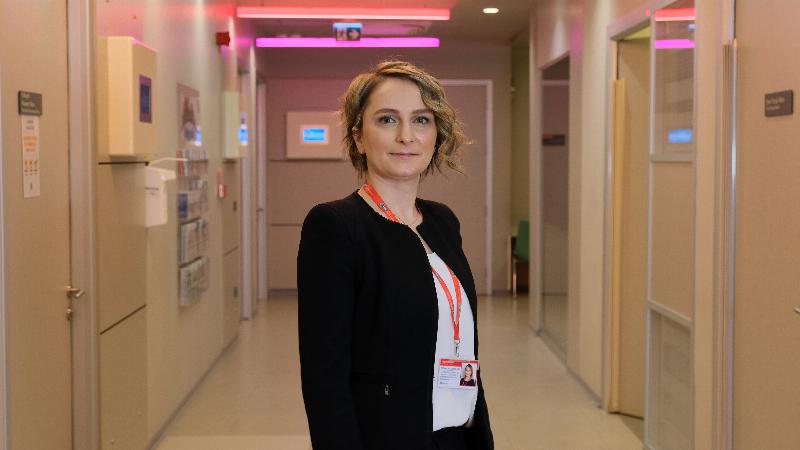
Fatma Kartaloğlu Agay: “Nurses are facing significant problems”
Fatma Kartaloğlu Agay, Assistant Manager of Nursing Services at Üsküdar Üniversitesi NPİSTANBUL Brain Hospital, stated that nurses, who were on the front lines during the pandemic, faced significant problems. Fatma Kartaloğlu Agay said, “Nurses served as one of the most important members of the multidisciplinary team with all their roles, including protective, curative, educational, supportive, leadership, and strategy-developing roles in public health,” and noted that the importance of specialized nursing fields such as emergency nursing, intensive care nursing, infection control nursing, occupational health nursing, and ward nursing was understood during this process.
Fatma Kartaloğlu Agay said, “During the pandemic, nurses served as both role models and educators in implementing many prevention standards, from the use of personal protective equipment to isolation practices, from hand hygiene practices to general hygiene rules.” Agay stated that among the most significant problems faced by all healthcare professionals, including nurses, since the beginning of the pandemic were the lack of sufficient information about the virus's mechanism, the absence of a known cure for the disease, losing patients under their care, and the fear of transmitting the disease to family members and loved ones.
Fatma Kartaloğlu Agay: “Nurses overwhelmed by workload are experiencing stress”
She stated that the American Nurses Association announced that 51% of nurses in the country were overwhelmed by workload during the epidemic, 93% of healthcare workers in the country experienced stress, and 76% felt fatigue and burnout.
Fatma Kartaloğlu Agay: “Burnout occurs much more frequently in the nursing field”
Stating that nurses in our country experience the same concerns, Fatma Kartaloğlu Agay said, “It is observed that burnout occurs much more frequently in the nursing field, where roles such as being humane, caregiver, and compassionate are also given, alongside saving lives. At this point, it is vital for institutions to develop strategies to prevent feelings of burnout and inadequacy to ensure the continuity of healthcare and prevent a shortage of nurses. Protecting nurses from secondary traumas, appropriately planning workloads in their work areas, taking measures to prevent role confusion, and recognizing examples of good practice will help prevent nurses from being psychologically affected.”
Fatma Kartaloğlu Agay: “We provide a safe working environment for nurses”
Agay also spoke about the efforts made at NPİSTANBUL Brain Hospital to enable nurses to continue the relevant process from the reporting of the first case and the identification of risk during the pandemic. She said, “We protected all our healthcare workers against infection by defining work areas, adjusting working hours based on workloads, ensuring access to sufficient personal protective equipment, providing accommodation for those with risky family members, implementing inter-unit rotation, and giving regular feedback. We also provided feedback on epidemic management through regular online meetings and training. We tried to prevent anxiety for our pandemic teams by organizing psychotherapies at group and individual levels. Joint studies have been conducted with Üsküdar Üniversitesi since the initial phase of the epidemic, in line with the guidance of the Ministry of Health, and performing PCR tests in the laboratory and rapid on-site tests has provided nurses with accessibility and time, as well as a safe working environment.”
Share
Update Date: February 27, 2026
Creation Date: May 11, 2021
Request a Call
Other News
- Prof. Nevzat Tarhan: “Those with a mental filter are not afraid of the digital”
- Artificial intelligence doesn't eliminate the translator, it transforms their expertise!
- Social responsibility courses moved to the field
- Erasmus+ Orientation Week completed at Üsküdar
- Prof. Nevzat Tarhan: “Brain secretes ‘dark glue’ in social media lynchers!”