

Assoc. Prof. Dr. Tayfun Doğan, who defines psychological resilience as “the power to recover,” said, “The measure of psychological resilience is how quickly you recover after events such as illness or trauma. I liken people with a high level of psychological resilience to a ‘weeble’; they might fall, but they recover quickly.” Noting that a person's psychological resilience is high if they possess optimism, self-esteem, forgiveness, gratitude, and awareness, Assoc. Prof. Dr. Tayfun Doğan stated, “According to a study we conducted on this subject, it was understood that people who had a happy childhood have stronger psychological resilience.”
Content
The Weeble Model of Psychological Resilience
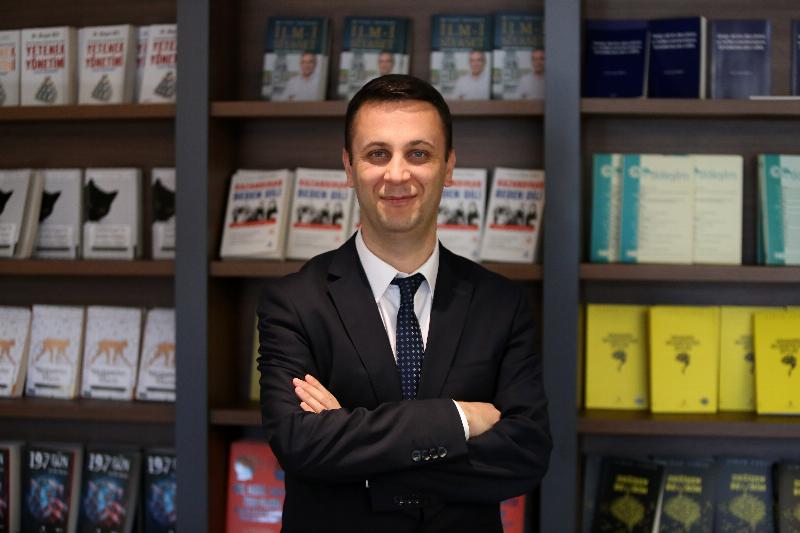
Üsküdar Üniversitesi Faculty of Humanities and Social Sciences, Department of Psychology Faculty Member Assoc. Prof. Dr. Tayfun Doğan attended the seminar on ‘Positive Psychology and Psychological Resilience’ organized by Pendik Guidance and Research Center.
Assoc. Prof. Dr. Tayfun Doğan, stating, “The measure of psychological resilience is how quickly you recover after events such as illness or trauma,” likened people with a high level of psychological resilience to a ‘weeble’. While Canan Ekmekçioğlu moderated the online seminar, Doğan began by defining positive psychology and psychological resilience, explaining that positive psychology is a new approach. Doğan said, “Positive psychology is a movement that started in 1998 with the initiatives of Martin Seligman. Positive psychology is an approach that focuses more on people's positive traits and strengths.”
Positive psychology emerged from a need
Assoc. Prof. Dr. Tayfun Doğan stated that traditional psychology does not provide information on what to do to make life meaningful, and emphasized that the positive psychology approach arose from a need, saying:
“Interest in positive psychology is quite high in our country. People no longer want to hear about illnesses. People want to hear good things, they think about how they can improve their lives. According to the World Health Organization, illness is defined not only as a physical condition but also as a state of complete well-being in mental and social aspects. Mental health, on the other hand, is defined as an individual being aware of their own abilities, being able to cope with stress, being productive in working life, and being useful with their talents. According to Freud, a person who loves and works is a person with sound mental health.”
Individuals with high psychological resilience overcome difficulties more easily
Assoc. Prof. Dr. Tayfun Doğan, who defines psychological resilience as “the power to recover,” said, “The measure of psychological resilience is how quickly you recover after events such as illness or trauma. I liken people with a high level of psychological resilience to a ‘weeble’; they might fall, but they recover quickly. Everyone experiences life's hardships; some recover easily, while others may be devastated and remain so. If a person has optimism, self-esteem, forgiveness, gratitude, and awareness, their psychological resilience is high. According to a study we conducted on this topic, it was understood that people who had a happy childhood have stronger psychological resilience,” he said.
Optimists live longer
Referring to the importance of happiness in increasing psychological resilience, Assoc. Prof. Dr. Tayfun Doğan said, “Optimism is not being a 'Pollyanna' as most people think. Unrealistic optimism, however, is a problematic situation. When a person falls ill, they might neglect their health with an optimistic perspective, thinking it's not important and will pass. According to research, optimists live longer. Another way to increase psychological resilience is to build interpersonal relationships. Happiness is relational; people can be sources of happiness and unhappiness for each other. Social support is quite important for psychological resilience. A person feels important and copes more easily with adverse conditions,” he said.
Good people always win
Assoc. Prof. Dr. Tayfun Doğan, stating that doing good benefits not only the other party but also oneself, said, “Individuals with a nurturing relationship style are open, sincere, respectful, and affectionate. Those with a toxic relationship style, on the other hand, are arrogant, condescending, critical, and demeaning. According to a study we conducted, individuals with a toxic relationship style had low psychological resilience. In other words, good people always win. We must learn to be happy with our current situation. If life gives you lemons, make lemonade; don't be sad about not being able to make 'İskender' (a Turkish dish),” he said.
Share
Update Date: February 27, 2026
Creation Date: February 18, 2021
Request a Call
Other News
- Social responsibility courses moved to the field
- Erasmus+ Orientation Week completed at Üsküdar
- Prof. Nevzat Tarhan: “Brain secretes ‘dark glue’ in social media lynchers!”
- Prof. Nevzat Tarhan: “Every segment of society should be able to say, ‘This constitution is my constitution!’”
- OHS releases guide for safe operation of industrial robots