

Stating that phobia is generally known as fear and that object-specific fears such as spider, snake, airplane, or height are defined as specific phobias, Psychiatrist Prof. Dr. Nevzat Tarhan draws attention to the fact that people can have one or more specific phobias that disrupt their quality of life. Prof. Dr. Nevzat Tarhan said, “If a person’s fears have progressed, some bodily reactions such as dry mouth and sweaty hands occur when they experience fear. When the brain gives a ‘flee’ response to fear, the person faints. If people with phobias wish, results can be obtained with 3-6 weeks of treatment.”
Content
Some fears are genetic!
It is possible to get rid of fears that disrupt the quality of life!
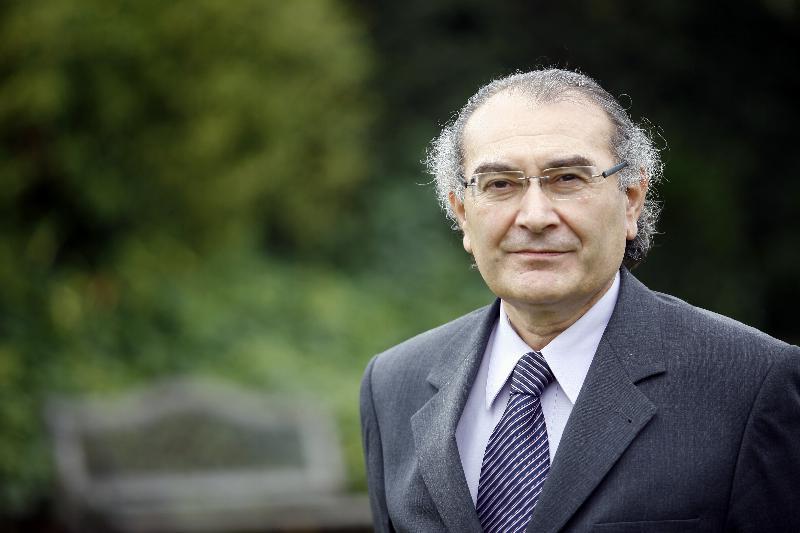
Üsküdar Üniversitesi Founding Rector, Psychiatrist Prof. Dr. Nevzat Tarhan, shared his evaluations on specific phobias that affect human life.
Phobias are fears with a specific object
Stating that phobia is generally known as fear, Prof. Dr. Nevzat Tarhan said, “Fear is a natural emotion and we all have it. The presence of a certain fear is a genetically coded emotion to protect against dangers. We take precautions against dangerous situations. Beyond this, there are disproportionate, excessive, and illogical fears that cannot be prevented. Fear of heights, fear of elevators, fear of enclosed spaces, fear of open spaces, and fear of being alone are object-specific phobias. Phobias without a specific object are fears and they are more complicated psychiatric illnesses. A person usually feels fear but does not know why they are afraid.”
Humans have genetic fears
Stating that specific phobias are fears with a specific object, Prof. Dr. Nevzat Tarhan said, “The fear of spiders or snakes is genetically present in all humans. Even someone who has never seen a spider in their life can have arachnophobia. We can also cite fear of heights as an example. If there were no genetic fear of heights, many people would go out on balconies or high places and jump, losing their lives. Specific fear also defines fear to the extent of avoidance. Fear protects people, but disproportionate fear restricts them. It restricts a person's quality of life.”
Anxiety also accompanies fear
Reminding that there was a hunter-gatherer period in the early creation of humanity, Prof. Dr. Nevzat Tarhan said, “In the early days of humanity, mothers had a lower resistance to fear. Genetically, fear is useful and necessary for mothers to protect their children. Fear is less common in men, and they are more assertive. Currently, specific phobias that disrupt the quality of life are emerging. They make a person's daily life unproductive. Besides fear, there is constant anxiety in a person's mind. If a person has a fear of cats, and when they are going somewhere, the first thing that comes to their mind is to research the cat there, and if there is one, to think about what to do, questioning it, such that it becomes a primary issue in their life, then this has become a phobia.”
The brain goes into alarm when there is a phobia
Prof. Dr. Nevzat Tarhan stated that a person can have one or more specific phobias related to objects and continued his words as follows:
“For example, a person might be afraid of spiders, birds, and snakes in their life. If a person wants to get rid of their phobia, one should not tell them, ‘You'll handle it yourself.’ This is a serious situation. The brain goes into a false alarm when there is a phobia. A person usually does not accept themselves as sick when they have only one phobia, saying, ‘it’s my special condition,’ and arranges their life accordingly, but this also restricts their life. They cannot go anywhere; if married, their spouse and children are also affected by that phobia. If they wish, it can be corrected, but often they don't want to. They fear it cannot be corrected. In that case, they gain secondary benefits. Due to the phobia, they also gain control over their children and family. In such situations, they can get many things done more easily by saying, ‘I have a phobia’.”
Simulation is used in phobia treatment
Stating that aviophobia is very common, Prof. Dr. Nevzat Tarhan said, “A person afraid of flying used to come from Berlin by car because they couldn't board a plane. In the past, attempts were made to overcome this with private flights, but now that is no longer necessary. Simulation therapy is being done using virtual reality glasses. A company in Spain has produced this, listing all phobias one by one. We have also translated it into Turkish. After approval, we put on VR glasses. When we put VR glasses on a person with fear of heights, they truly see themselves at the edge of a cliff. Since the image is three-dimensional, the person falls into a tremendous panic. After getting used to that height in the virtual environment, they start looking without glasses.”
Fears can restrict human life
Drawing attention to the fact that some people act based on fears rather than reality, Prof. Dr. Nevzat Tarhan said, “For example, if a person is going somewhere, they cannot go because a dog might appear from there. They have many tasks to do, but due to fear of elevators, they have to climb 10 floors by stairs, and then their work is disrupted. Fears severely restrict a person's life. For instance, there are also those who are afraid of entering crowds or society. Due to that fear, a person cannot go out into society and say 'this is my opinion,' cannot raise their hand, or ask a question. In this situation, the person restricts their social life. If the person wishes, it improves, meaning if the person wants, there is a solution for phobias.”
The brain gives a fight or flight response
Stating that if a person's fears have progressed, some symptoms appear in the body when they experience fear, Prof. Dr. Nevzat Tarhan said, “In phobias, which we call specific, simple phobias, a person's mouth dries up, they cannot breathe, their hands sweat, and their blood pressure suddenly drops. All of these are physical symptoms. The brain gives a fight or flight response. If it gives a fight response, blood pressure rises; if it gives a flight response, blood pressure drops, and they faint. However, in such situations, the brain usually gives a flight response. The autonomic nervous system is activated in such situations. It's not just an imaginary fear event but also has a physical counterpart. In such cases, we recommend a sublingual pill. Even if the fear event continues, we can cut off the body's overreaction.”
Treatment process varies for each individual
Emphasizing that the treatment process varies for each individual, Prof. Dr. Nevzat Tarhan said, “If a person wishes, results can be obtained with a 2 or 4-week treatment. If the person's fear score is 10 at the beginning, it drops to one or two points within 3 to 6 weeks. Results can be obtained with a 3 to 6-week treatment, but the person needs to want it. If there is a fear of flying, they board a flight simulation. They fly, fall, and experience everything as if it were real. The person does not actually experience this, but their brain makes them feel as if they are. After a while, the person understands that their brain is generating this fear. Whatever our brain produces, our life is shaped accordingly.”
Share
Update Date: March 01, 2026
Creation Date: October 15, 2022