

While over 19 thousand lives were lost in the earthquake that occurred in Kahramanmaraş and caused great destruction in 10 provinces; search and rescue efforts and efforts to meet the needs of earthquake victims continue. Prof. Dr. Haydar Sur, stating that all kinds of public health efforts to be carried out in the earthquake zone must be conducted with extensive planning, said that all activities should take place within a specific plan and under the coordination of all units. Sur warned that deficiencies in vital issues such as meeting hygiene needs, waste collection, emptying toilet cabins, providing healthy utility and drinking water, and ensuring food for adequate and balanced nutrition would lead to outbreaks of epidemics.
Content
Public Health Efforts Are Vital in Earthquakes
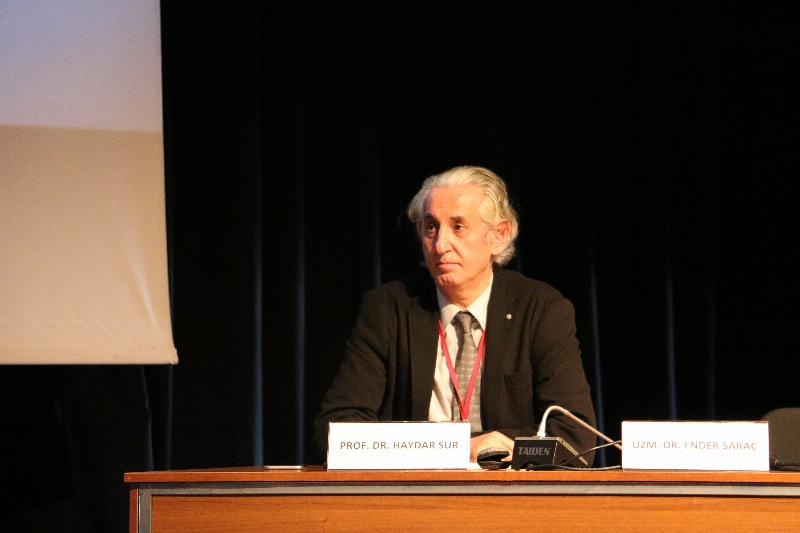
Neglecting public health services can lead to epidemic risks!
Prof. Dr. Haydar Sur, Dean of Üsküdar University Faculty of Medicine, evaluated the importance of public health efforts in earthquakes and what needs to be done.
Access to treatment must be ensured for those rescued alive
Prof. Dr. Haydar Sur, emphasizing the importance of public health efforts in earthquakes, said, “While search and rescue operations that must be carried out immediately after earthquakes continue; on the other hand, it is necessary to plan and ensure immediate access to appropriate treatment for those rescued alive from under the rubble. Essential equipment and medicine, manpower, and systematic recording of all actions are important aspects. It is also very important to properly hand over the bodies recovered from under the rubble to their families and assist them with burial procedures.”
Needs of surviving earthquake victims must also be met
Prof. Dr. Haydar Sur stated that tasks for those who survived the earthquake unharmed also form a separate function, adding, “After an earthquake, the majority of the population will be in this situation. Immediately after basic needs like shelter, water and food, sanitation, heating, and security, these individuals will have needs such as obtaining information about themselves, their relatives, and decisions made by authorities and developments, expressing their concerns, and even helping others or being useful while in this state.”
Neglect of public health services can lead to epidemic risks
Prof. Dr. Haydar Sur noted that the return to normalcy would gradually occur immediately after these processes, and warned, “During this process, not only clinical services but also public health services must be carried out. If public health services are not provided, vital issues such as waste collection, emptying of toilet cabins or keeping field latrines usable at all times by digging new pits, providing healthy utility and drinking water, and food for adequate and balanced nutrition will immediately face disruptions, and epidemic diseases, as one of the most feared outcomes, will emerge.”
Hygiene conditions must be fully ensured
Prof. Dr. Haydar Sur emphasized that vaccination activities and health education activities should also be given separate importance among basic public health practices, stating, “When hygiene conditions are fully ensured, the return of survivors to their normal daily lives is faster. The two most important components of hygiene efforts are, of course, water and soap. In this regard, particular attention should be paid to diseases such as typhoid, paratyphoid, cholera, amoebic or bacillary dysentery, as well as many respiratory infections, especially measles in children, and diarrheal diseases. Furthermore, lice and scabies outbreaks should be monitored carefully.”
Earthquake also disrupted animal habitats, beware of pests!
Prof. Dr. Haydar Sur stated that combating pests and rodents like mice holds a very important place in public health efforts, adding that the earthquake also disrupted the habitats of these animals and forced them into new searches.
Psychological support should not be neglected
Prof. Dr. Haydar Sur stated that psychological support for the community is an important issue in public health, adding, “Within the framework of these efforts, a highly important but easily neglected aspect is providing psychological support to the community. In these days when almost everyone is in pain, those suffering should be given the motivation to understand the situation, accept it, recover, and return to normalcy. Psychotherapy support should be provided to individuals experiencing collapse.”
Work in the earthquake zone must be carried out systematically
Prof. Dr. Haydar Sur noted that all kinds of work to be carried out in the earthquake zone must be conducted with extensive planning, and warned, “It should be known that haphazardly performing all these works will cause more harm than good to society. If it is understood that unplanned and impromptu support does not constitute true aid, the importance of health management during disasters will be better appreciated. It should not be forgotten that the procurement, dispatch, and management of necessary resources, and the recording of all activities will serve as a significant data source both during the disaster and in the subsequent retrospective evaluation phase. Even if electronic means are unavailable, basic information must be regularly and completely recorded using paper registration forms.”
Teams must be in communication
“Teams working disconnectedly for multiple purposes often lead to resource waste,” said Prof. Dr. Haydar Sur, adding, “To prevent this, regardless of the type of service we provide to a target group, we must get to know and integrate with related teams working in the same or neighboring regions, and prevent duplications. It will be very beneficial for professionals to occasionally meet, assess the situation, and revise their plans.”
Deficiencies in public health efforts can lead to dire consequences
Prof. Dr. Haydar Sur also emphasized that those managing health services must be in contact with the managers of areas such as security, municipality, shelter, and media, concluding his words as follows:
“When international health professionals come to assist, they will also need help adapting to the environment. Public health efforts, when provided during such times and without deficiencies, often go unnoticed and perhaps unappreciated by anyone. However, when deficiencies occur, the tragic result is like experiencing a new disaster on top of an existing one. It is expected that public health professionals provide their services and support the organization of clinical services before this situation arises.”
Share
Update Date: March 01, 2026
Creation Date: February 13, 2023