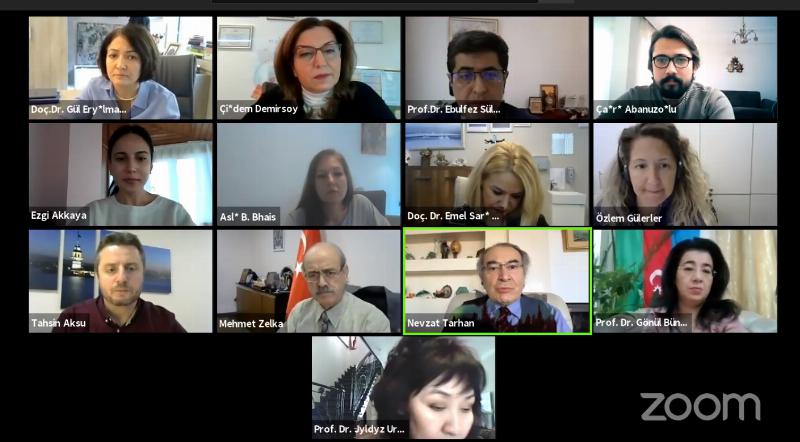
The International Loneliness Symposium, organized for the second time this year by Üsküdar Üniversitesi, is being held under the theme of “Pandemic,” addressing the effects of the pandemic process on loneliness from all angles. Invited speakers for the two-day symposium consist of scientists, academics, journalists, and artists from various fields, both domestic and international, who have gathered to contribute.
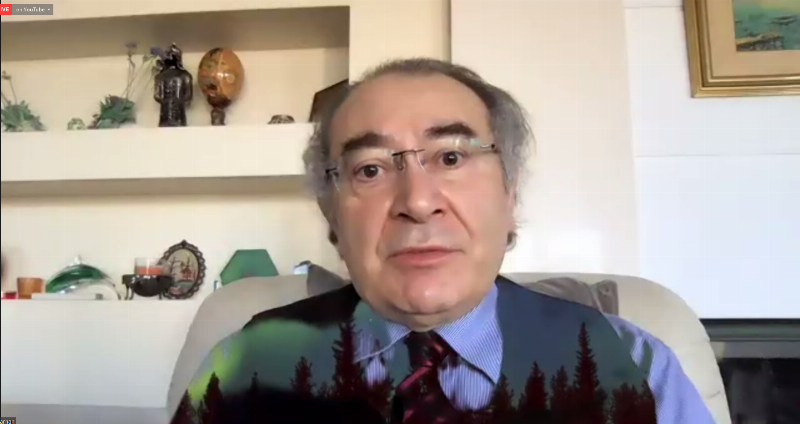
Prof. Dr. Nevzat Tarhan addressed the topic of “Families and Loneliness”
Stating that the greatest impact of the pandemic affecting the whole world is loneliness, Üsküdar Üniversitesi Founding Rector and Psychiatrist Prof. Dr. Nevzat Tarhan gave his presentation titled “Families and Loneliness” in the first session of the symposium.
Prof. Dr. Nevzat Tarhan: “Most fires break out in families”
Prof. Dr. Nevzat Tarhan stated that they found it appropriate to combine this symposium with the topic of the pandemic, noting that the social isolation caused by and preceding the pandemic created an effect of being perceived as psychological isolation in people. He said, “People misunderstood psychological isolation. As a result, individuals experience alienation from themselves and society. We aimed to analyze this topic at the 2nd International Loneliness Symposium because it also has a family dimension. Most fires break out in families. Especially in China, after the pandemic period, divorce applications increased so much that, according to information we gathered from the press, courts were postponing applications for a month. We cannot share data on this because no statistical study could be conducted in our country, but it is impossible not to be affected. Our family structure has more protective dynamics,” he said.
Prof. Dr. Nevzat Tarhan: “A psychiatric illness pandemic is expected in the post-pandemic period”
Stating that an increase in psychiatric problems is expected worldwide after Covid-19, Prof. Dr. Tarhan said, “A psychiatric illness pandemic is expected in the post-pandemic period. The World Health Organization has statements on this matter. Cases receiving outpatient and inpatient treatment have increased. In our clinical experience, we see people who are 70 years old and have never used antidepressants in their lives starting to use them after isolation during the quarantine period.”
Prof. Dr. Nevzat Tarhan: “Currently, the weakest link is family life and mental health”
Stating that there are two rules in crises, Prof. Dr. Tarhan said, “Community life, time, and social life are like a chain. The strongest part of the chain is its weakest link. When there is a crisis, tension arises. When there is tension, it breaks at the weakest link. People break where their weakest link is. Currently, family life and mental health are the weak links for people. There are statistics regarding people's mental health. The second rule is that if crisis management is left to its natural course, problems will remain, leaving damage. If a person’s arm is broken and no intervention is made, they will remain disabled. If treated, it passes with minimal damage. Just like this situation, a crisis must be managed. It is necessary to be proactive against problems that will arise during a crisis. If this cannot be done, the crisis will pass through society, leaving damage,” he warned.
Prof. Dr. Nevzat Tarhan: “Young people now feel more lonely”
Referring to statistics between 1950 and 2000, Tarhan stated that per capita income increased rapidly, and even more so between 2010 and 2020, but highlighted that statistics show material well-being increased while happiness levels remained the same or even decreased.
Tarhan also stated that research on adolescents has shown an increase in loneliness among young people over time. He said, “Data from the 80s to 2015 has been presented. While 50% of young people needed friends in the 90s, this need dropped to 15-20% in 2015. This is a very serious problem. Another statistic shows the prevalence of depression in society. It has also been determined that diagnosed clinical cases in the USA showed an upward trend between 2013 and 2016. In fact, it is the society that best represents globality and global change. One-third of people, 40% of young people, those subjected to discrimination, and individuals with disabilities and health problems feel lonely. Loneliness is stigmatized, empathy needs are higher, income inequality makes people feel lonely, and social security feelings are observed to be low. Online friendships are becoming more common,” he said.
Prof. Dr. Nevzat Tarhan: “Loneliness is behind addiction”
Highlighting that loneliness disrupts brain chemistry, Prof. Dr. Tarhan said, “Loneliness also disrupts a person’s brain chemistry. Loneliness is in the background of addiction. Addicted individuals are people who have a need for attachment. They lack a safe space to turn to, family, or friends. They have a weak family and feel lonely. When they feel lonely, a searching behavior called self-medication emerges. The person tries to relieve themselves by using substances and becomes addicted to them.”
Prof. Dr. Nevzat Tarhan: “The feeling of loneliness makes a person a candidate for depression”
Pointing out three important factors that weaken the family in this era, Prof. Dr. Nevzat Tarhan listed them as secularism, social anomie, and individualism, saying, “The phenomenon that sustains a person’s feelings of pity, compassion, and shame is the feeling of accountability. In a person, laws determine the sharing of legal interests against legal crimes. In human relations, social norms express the sharing of social interests. The norms in one’s conscience question the sharing of individual interests. In today’s world, a situation has emerged where it is said that there is no need for conscientious norms, and conscience is a vague concept.” Tarhan stated that individualism advocates the principle that the individual, not the family, is sacred, adding, “It transforms individualism into selfishness. This has the effect of isolating people. A human is a relational being; if they feel they are not alone, they feel secure about themselves and their future. The feeling of loneliness makes a person a candidate for depression.”
Prof. Dr. Nevzat Tarhan: “Digital necessity emerged during the pandemic”
Referring to the emergence of digital necessity with Covid-19, Prof. Dr. Nevzat Tarhan said, “The compulsory digitalization brought about by the pandemic further increased this risk. Digitalization has now become a part of our lives. While we previously saw this as a problem only for the post-90s generation, the issue of digitalization is now important for people of all ages. There is psychosocial alienation and compulsory digitalization post-pandemic. While digital makes life easier, it has also started to increase risks. Those who say we are heading towards digital dictatorship seem to be right. As a result, a lonely person should ask themselves why they are lonely. In addition, people should also ask themselves questions such as, 'Should I reduce my empathetic expectations?', 'Should I stay away from selfish people?', 'Should I push myself to social clubs and events?', 'Should I prefer positive communication?', 'Should I have a target friend?', 'Should I consider people and my close circle as friends unless I see otherwise?'”
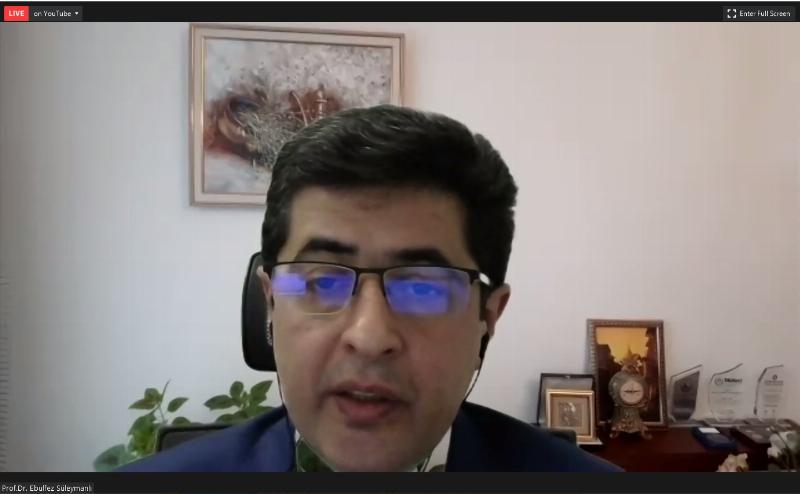
Prof. Dr. Ebulfez Süleymanlı: “Our loneliness also increases with the pandemic”
Prof. Dr. Ebulfez Süleymanlı, Head of the Sociology Department at Üsküdar Üniversitesi and also the Symposium Coordinator, stated in his opening speech that loneliness was prominent even before the pandemic, saying, “However, the conditions of the pandemic period brought about new situations and new problems concerning loneliness. According to experts, one of the reasons why the epidemic crisis is so frightening, apart from the thought of being under quarantine, is that people are stuck between the walls of their homes, disconnected from each other. In this context, it is also stated that the oppressive feeling of being alone at home or the fear of dying alone leaves deep and traumatic effects on humanity, producing an intense pandemic loneliness psychology. Undoubtedly, social distancing is vital. However, our loneliness is also increasing. Especially due to social isolation, the weakening of our social ties has deepened loneliness,” he said. Prof. Dr. Ebulfez Süleymanlı noted that loneliness emerged as one of the most important problems during the process of increasingly restricted social life due to the coronavirus, and said that people in different countries developed various solutions to their increasing loneliness during this period. Süleymanlı stated that the increasing restriction of social life due to strict quarantine measures particularly affected the elderly, increasing their loneliness, and added, “The more solidary structure of the Turkish family ensures that our elders feel less lonely compared to the elderly in other countries.”
Prof. Dr. Ebulfez Süleymanlı explained “Corona Loneliness”
In his presentation titled “Corona Loneliness,” Prof. Dr. Ebulfez Süleymanlı shared information regarding the results of the research titled “Aging and Loneliness During the Pandemic,” conducted by the Sociology Department of Üsküdar Üniversitesi to determine the impact of the pandemic process on the loneliness and life satisfaction of elderly individuals in Turkey.
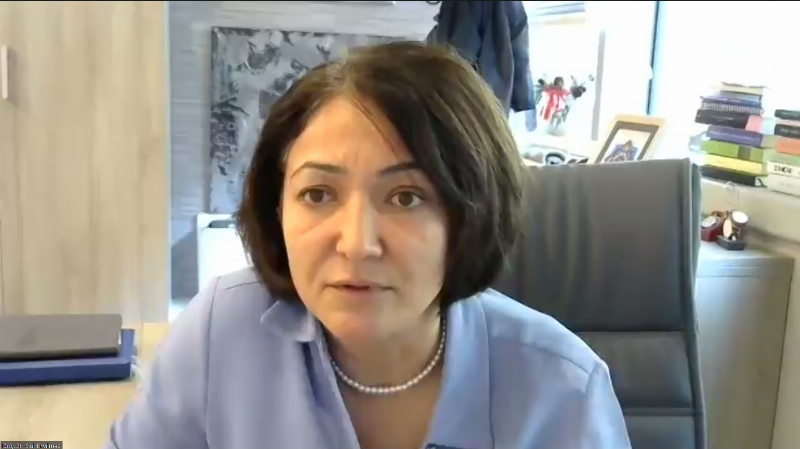
Assoc. Prof. Dr. Gül Eryılmaz drew attention to the phenomenon of loneliness in relationships
In the first session of the symposium, Psychiatrist Assoc. Prof. Dr. Gül Eryılmaz from Üsküdar Üniversitesi NPİSTANBUL Beyin Hastanesi, in her presentation titled “Loneliness in Relationships,” stated that relationships have psychological and biological regulatory effects, adding, “Although marriage or being in a relationship is shown to reduce loneliness, studies suggesting the possibility of loneliness within a relationship are increasingly growing. Research results indicate that the phenomenon of loneliness in a relationship is experienced in 1 out of 6 cases, and the feeling of loneliness in a relationship generally affects the emotional bond one of the partners establishes with the other. Women are more prone to this,” she said.

Assoc. Prof. Dr. Emel Sarı Gökten: “Adolescents' efforts to be individual should be supported”
Assoc. Prof. Dr. Emel Sarı Gökten, Child and Adolescent Psychiatrist at Üsküdar Üniversitesi NPİSTANBUL Beyin Hastanesi, explained the effects and consequences of loneliness during adolescence in her presentation titled “Adolescent Loneliness and K-Pop,” offering important advice to parents. Gökten noted that young people with high social anxiety, weak communication skills, and an inability to form healthy, feel-good friendships are at higher risk of being affected and harmed by such trends. She emphasized the importance of creating a family environment for children and adolescents where love, trust, and acceptance are present. Gökten said, “Instead of conflict, their development should be respected, their efforts to be individual should be supported, and a positive relationship should be established. Values such as knowledge, working hard, respecting the rights of others, and respecting nature and all living beings should be instilled.”
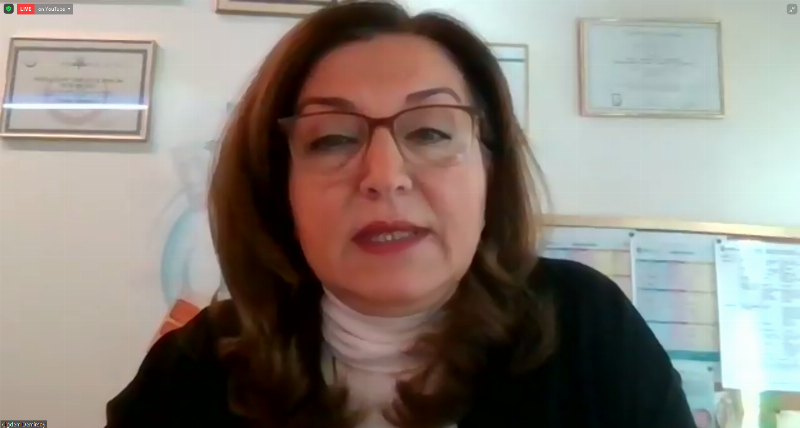
Çiğdem Demirsoy drew attention to the characteristics of a healthy family
Clinical Psychologist Çiğdem Demirsoy from Üsküdar Üniversitesi NPİSTANBUL Beyin Hastanesi, in her speech titled “The Impact of the Pandemic on Loneliness in the Family,” stated that being in contact with each other and the feeling of closeness are humanity's most important needs, and that a lack of contact leads to feelings of loneliness. Demirsoy noted that there are data from the Istanbul Police Department indicating an increase in domestic violence cases during the pandemic period, saying, “While there were 1804 reports of domestic violence in March 2019, the number of incidents increased to 2493 in March 2020. A healthy family is a protective factor here. So, what are the characteristics that a healthy family should have? Problem-solving skills within the family, healthy communication, open communication, being able to discuss all material and moral issues, and healthy functioning of roles and boundaries gain priority. Being able to react to positive and negative emotions and discuss them, expressing emotions, and these emotions being mutually heard and understood, showing each other necessary attention, and most importantly, behavioral control—the burden brought by emotions should not be reflected as is,” she said.

Aslı Bhais drew attention to the relationship between addiction and loneliness
Clinical Psychologist Aslı B. Bhais from Üsküdar Üniversitesi NPİSTANBUL Beyin Hastanesi, in her presentation titled “Addiction-Loneliness Relationship,” stated that self-isolation is a common behavior for addicted individuals, saying, “A study conducted in our country examining the loneliness status of alcohol and substance addicts showed that 71% experienced feelings of loneliness. In a study examining factors related to substance use among high school students, the feeling of loneliness was identified as an important factor related to substance use. Humans are social beings. Every person needs relationships and to form bonds. We strive to meet this need. If we cannot find someone to bond with, we turn to other things with which we can bond. Therefore, it is necessary to focus on forming healthy bonds instead of addiction. The reason an addict bonds with an object is their inability to bond with anything else,” she said.
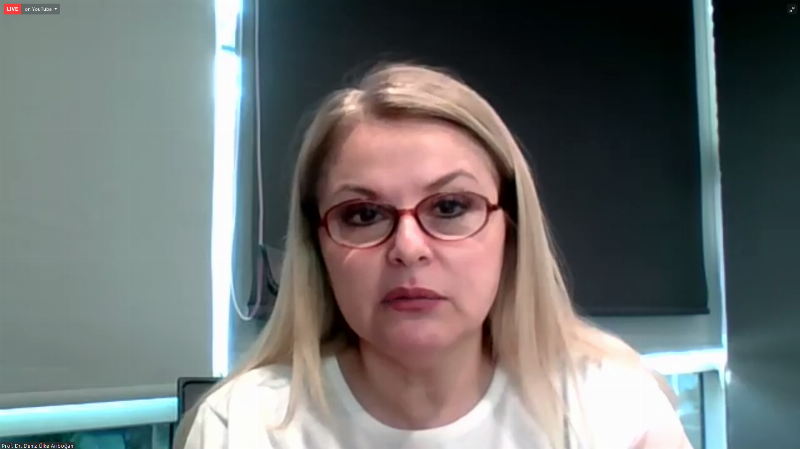
Pandemic and loneliness were addressed from all aspects
Prof. Dr. Deniz Ülke Arıboğan, Dean of the Faculty of Humanities and Social Sciences at Üsküdar Üniversitesi, participated with her presentation “The Political Psychology of Loneliness.”
At the symposium, Prof. Dr. Mehmet Akif Okur from Yıldız Teknik Üniversitesi participated with his presentation titled “The Political Economy of Loneliness and the Turkish House: Whither from the Pandemic?”; Prof. Dr. Jyldyz Urmanbetova from Kyrgyzstan-Turkey Manas University participated with her presentation titled “Loneliness in the Context of Social Exclusion and Creativity.” Photographer, director, and screenwriter Murathan Özbek addressed the loneliness-pandemic relationship from a different dimension by opening the window of art in his speech titled “Pandemic, Art, and Loneliness.” Journalist Özay Şendir also participated in the symposium with his speech titled “Pandemic Loneliness and Media.”
Dr. Floris Van Vugt explained the importance of communication and sharing
Academic Dr. Floris Van Vugt from the University of Montréal, Canada, in his presentation titled “Fostering Interpersonal Closeness in Video Conferencing by Moving Synchronously,” noted the importance of communicating, listening, and understanding in today's world where alienation and disintegration are increasing, and how this can be achieved in online connections.
Prof. Dr. Nesrin Dilbaz will address the effects of the pandemic on advanced age
On the second day of the symposium, Psychiatrist Prof. Dr. Nesrin Dilbaz from Üsküdar Üniversitesi NPİSTANBUL Beyin Hastanesi will deliver her presentation titled “Risks of Advanced Age in the Pandemic: Is Loneliness a preference? Or an undesirable outcome?”
Prof. Dr. Erol Göka: “Loneliness and Longing”
Psychiatrist Prof. Dr. Erol Göka from the Faculty of Medicine, University of Health Sciences, will discuss the relationship between loneliness and longing in his speech titled “Loneliness and Longing,” also addressing the pandemic process. Author Dr. Orhan Aras, participating from Germany, will emphasize social and cultural differences in his speech titled “Europe’s Ordeal with Pandemic and Loneliness.” Dr. Mert Akcanbaş from Üsküdar Üniversitesi will deliver a presentation titled “Global Insecurity and Loneliness”; Psychologist İdil Arasan Doğan will present on “Loneliness in Old Age and Social Support” at the symposium.
Prof. Dr. Gönül Bünyatzade: “Loneliness and Creativity”
Prof. Dr. Gönül Bünyatzade from the Azerbaijan National Academy of Sciences will participate with her presentation titled “Loneliness and Creativity.” Dr. Baver Demircan will present on “Loneliness: Can the Pandemic Be an Opportunity?”; Assoc. Prof. Dr. Kristina Ivanenko from the Russian Presidential Academy of National Economy and Public Administration will present on “New Loneliness: How Did the Pandemic Change Social Relations?” Dr. Cihan Ertan and Research Assistant Özge Sarıalioğlu from Düzce Üniversitesi will deliver their presentations titled “When the Stage Closes: The COVID-19 Pandemic and the Loneliness Experiences of Performing Arts Actors.”
Dr. Olga Rubçova will address “Anxiety Epidemic and Depression”
Psychologist Dr. Olga Rubçova from St. Petersburg Bekterev Medical Center will point to the increased state of excessive stress in people during the quarantine period in her presentation titled “The World During the Pandemic: Anxiety Epidemic and Depression.”

