

Days left until Ramadan. Stating that Ramadan is a month when the Almighty Creator is remembered at all times, Sufism researcher Prof. Dr. Reşat Öngören said that the worship of fasting also teaches us how valuable even a sip of water is as a blessing, and on the other hand, how much distress hunger causes for humans. Prof. Dr. Reşat Öngören noted that those who perform this worship gain the ability to empathize much more easily with the poor and needy, and stated, “A fasting person understands the value of the blessings they possess; they do not waste them, their feelings of gratitude and thankfulness to the giver of blessings are strengthened, and they realize the necessity of helping those in need.”
Content
Prof. Dr. Reşat Öngören: 'Ramadan is a month when the Almighty Creator is remembered at all times'
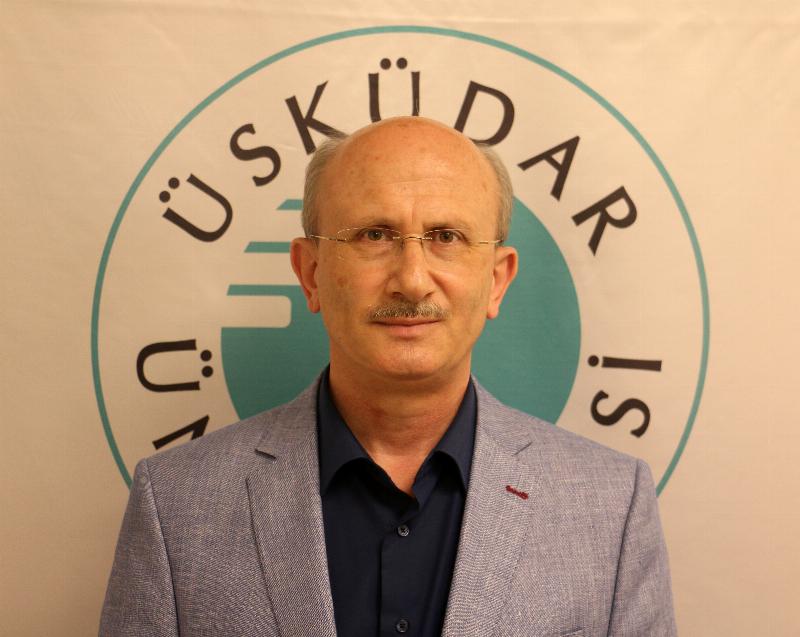
Prof. Dr. Reşat Öngören, faculty member at the Üsküdar Üniversitesi Institute for Sufi Studies, made evaluations regarding the contributions of the upcoming Ramadan month to spirituality.
Öngören stated that Ramadan is a month when individuals rest physically, mentally, and spiritually, in addition to fasting and worship. He said, “The Holy Quran emphasizes that humans consist of body and soul. Our body is shaped by worldly foods, and our soul comes from Allah. The human desire to possess certain things in this world such as money, status, prestige, beautiful clothes, and sweet foods, and to remain eternal, is the desire of the body, which originates from the earth. The desire to connect with the metaphysical realm and ultimately to recognize and reach the Creator is the desire of the soul. When death occurs, the body, with all its elements, returns to where it came from, namely the world, the earth, while our immortal soul returns to Allah. That is why we express the event of death, in the words of the Holy Quran, as ‘From Allah we came, and to Him we shall return.’”
The World is Humanity's Testing Ground…
Prof. Dr. Reşat Öngören said, “The world is humanity's testing ground and is transient; it is a preparatory period for eternal life. The brevity of this period compared to the afterlife was expressed by our Prophet as ‘a traveler resting for a while in the shade of a tree.’ Both the beauties we experience and the difficulties we encounter during this period are means of examination. Gratitude for blessings and beauties, and patience in difficulties and hardships, have been deemed necessary to pass this test.”
At the Core of Happiness is Remembering the Almighty Creator at All Times
Prof. Dr. Reşat Öngören stated that the fundamental source of happiness and peace is always keeping the Creator in mind and remembering Him at all times, adding:
“We need to keep this truth in mind at all times: We did not come into this world by our own will and desire. It is Allah who gives us life and takes our souls. Through prophets, He has also offered prescriptions for the happiness of the human He created, both in this world and the afterlife: According to this, the fundamental source of happiness and peace is to keep the Creator in mind in all circumstances and to continue remembering Him. For Allah says, ‘Those who remember Me find peace, while those who turn away from My remembrance live in distress.’ As expressed in the Holy Quran, everything in the universe remembers Allah, so if a person distances themselves from remembering Allah, it is as if they are trying to row against the current of a high-flowing river, which would leave them tired and exhausted, and they would not make any progress.”
Remembering Allah is Not Limited to Certain Forms
Prof. Dr. Reşat Öngören stated that the approaching month of Ramadan is a blessed month in which Allah is remembered, adding, “There are countless forms of remembering Allah. To express this, it has been said, ‘There are as many paths to Allah as there are breaths of creatures.’ Acts of worship like prayer (salat) and fasting (sawm) are defined forms of remembering Allah, but remembering Allah is not limited to these forms. Remembering the Creator by looking at the flowers on the ground or the stars in the sky while walking on the road is also a form of remembrance (dhikr).”
During Ramadan, We Continuously Remember Allah
Prof. Dr. Reşat Öngören noted that fasting will be observed during Ramadan at Allah's command, stating, “Now the month of Ramadan is beginning, and we will fast. Why do we fast? Because Allah wills it. Therefore, by beginning to fast, we begin to remember Allah. We must know that from the time of suhoor until iftar, by refraining from eating and drinking, we are continuously remembering Allah. As those who fast know very well, the peace and spiritual tranquility this worship brings to a person is unique. Especially as iftar time approaches, this peace reaches its peak. The fast observed during Ramadan also creates a distinct synergy in society as it is a collective remembrance (dhikr) and worship. Because ‘Allah’s hand is upon those who act collectively (jama’at).’ That is why every good deed performed during these times receives many times more reward than in other times.”
The Worship of Fasting Helps Us Understand the Value of What We Possess
Prof. Dr. Reşat Öngören stated that the worship of fasting also teaches us how valuable even a sip of water is as a blessing, and on the other hand, how much distress hunger causes for humans, adding, “Those who perform this worship gain the ability to empathize much more easily with the poor and needy. A fasting person understands the value of the blessings they possess; they do not waste them, their feelings of gratitude and thankfulness to the giver of blessings are strengthened, and they realize the necessity of helping those in need.”
Everyone Can Provide Support According to Their Means
Prof. Dr. Reşat Öngören reminded that major disasters such as earthquakes and floods occurred in our country before Ramadan, stating, “These events are not just a test for those who experience them, but for all people. Let us also know that Allah grants us the strength to endure the difficulties we face. Therefore, those affected by the disaster must overcome this test with patience, endurance, and acceptance (rida), while others must do so with help, support, and solidarity in every aspect. Those with means can provide monetary, material, and food aid; doctors can treat patients; psychologists can offer psychological support; teachers can provide widespread educational programs; and religious scholars can contribute to their peace of mind by addressing their spiritual needs.”
“Human, Spirituality, and Healing Talks” to Begin in Ramadan
Prof. Dr. Öngören stated that as faculty members of the Üsküdar Üniversitesi Institute for Sufi Studies, they have prepared a program titled “Human, Spirituality, and Healing Talks” to be held online via Zoom for 12 weeks, starting on the first day of Ramadan. He added, “Among the speakers are scholars from various fields of expertise such as physicians, psychologists, literary figures, cultural historians, musicians, and theologians. This program will be presented live but will also be available for listening from recordings the next day. Detailed information about this and the program's specifics can be accessed from the institute's website and social media accounts. The spiritual atmosphere of Ramadan, this period when Allah's forgiveness and mercy reach their peak, creates an opportunity for all of us. Those affected by the disaster, by asking Allah for strength and patience, and others, by mobilizing all material and spiritual resources at their disposal, can benefit from the blessings of this month.”
Share
Update Date: March 01, 2026
Creation Date: March 20, 2023
Request a Call
Other News
- Prof. Nevzat Tarhan: “Every segment of society should be able to say, ‘This constitution is my constitution!’”
- OHS Releases Guide for Safe Operation of Industrial Robots
- Prof. Nevzat Tarhan: “Social media is digital fast food”
- 2026-2027 Academic Year orientations completed
- Asst. Prof. İdil Arasan Doğan explained the importance of early intervention in living with dementia