

The book “Auras of Aesthetics and Art in the Brain” by Prof. Dr. Oğuz Tanrıdağ, Head of Neurology Department at Üsküdar Üniversitesi Faculty of Medicine, published by Üsküdar Üniversitesi Publications, is now on shelves. Prof. Dr. Tanrıdağ's new book contains profound knowledge on art, culture, and philosophy. The book is also significant as it will make a substantial contribution to the reader's cultural level.
Content
Prof. Dr. Oğuz Tanrıdağ's New Book 'Auras of Aesthetics and Art in the Brain' on Shelves
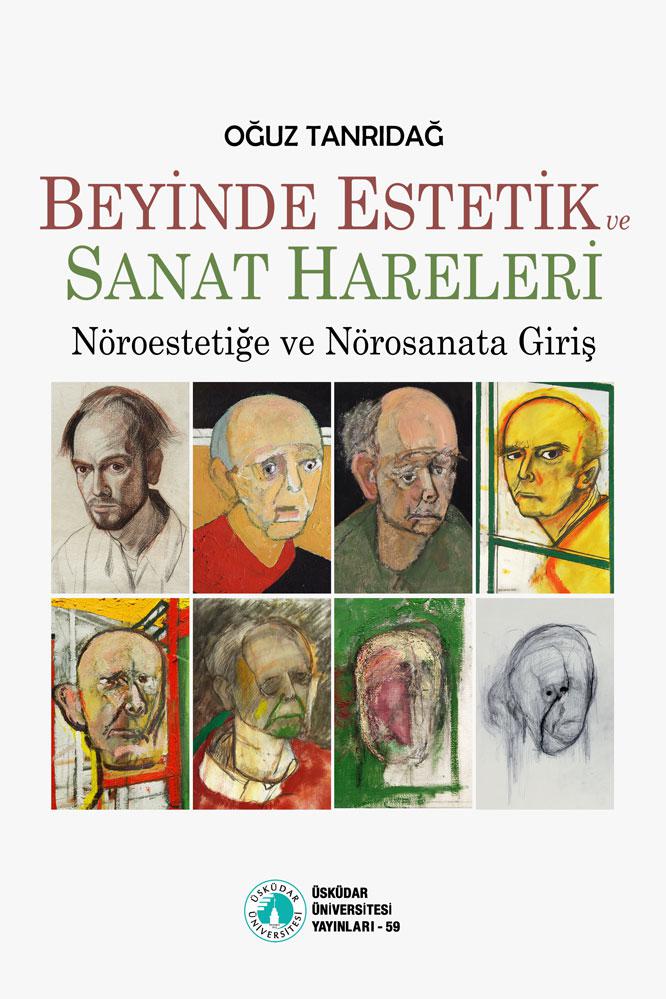
Neurology Specialist Prof. Dr. Oğuz Tanrıdağ, who has presented important books to his readers to date, has met readers with his new book.
The book, which will fill a significant gap in its field, has garnered intense interest since its first days.
About the Book:
Our most important cerebral ability is to imagine what does not exist. The first condition for contemplating the relationship between aesthetics and art and our brain is to ponder how an animal-biological organ, which most of us are taught through biology lessons operates only under the guidance of existing reality and objects, can function at the level of imagining what does not exist from the knowledge of what does exist.
Aesthetics and art constitute examples of the two-stage human brain activity we perform with our brain when transitioning from the world of what exists to the world of what does not exist in this contemplation. Aesthetics, forming the first stage, creates a starting point from the world of what exists towards the other end. This is because 'Aesthetics' comes from the Ancient Greek word 'aisthesis,' meaning to feel, to perceive. It deals with the creation and evaluation of beauty. In the language of brain knowledge, this is the creation and evaluation of the concept of beauty by using, or rather, thanks to our brain, which is the part of our being related to feeling and perception. In other words, aesthetics is the result of the first stage we establish with the impressions of what exists on the way to art.
Art, in its most general sense, is understood as the expression of creativity and imagination directed towards what does not exist, not yet in the aesthetic sensation stage or within the relationship with what exists. The prefix 'Neuro' added to the concepts of aesthetics and art indicates that the antecedents of these two concepts also exist within our structure, that this existence is provided by our brain, and furthermore, that this existential relationship can be disrupted by various brain diseases. The change in the art of painter William Utermohlen due to Alzheimer's disease, featured on the book's front cover, is one of the most striking examples of this relationship.
Click for Detailed Information and Book Purchase:
Share
Update Date: March 01, 2026
Creation Date: September 30, 2022