

Stating that just like life, marriages can also have difficulties as well as good times and beauties, Psychiatrist Prof. Dr. Nevzat Tarhan emphasized that couples should be in solidarity, especially during difficult processes to cope with, such as severe illness. Tarhan noted that the person supporting their spouse who is battling a severe illness should not neglect their other roles, such as motherhood or fatherhood, emphasizing the importance of establishing balance here. Tarhan also notes that involving children in this challenging process is an opportunity for them to develop a sense of responsibility.
Content
Prof. Dr. Nevzat Tarhan: “Other roles should not be neglected while coping with difficulties”
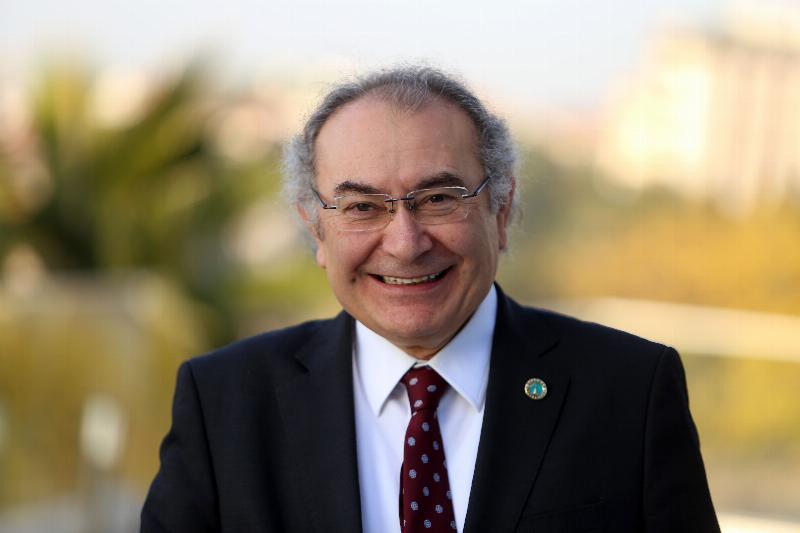
Founding Rector of Üsküdar Üniversitesi, Psychiatrist Prof. Dr. Nevzat Tarhan, made an assessment on AKRA FM's Marriage School program regarding the importance of communication and relationships at home in difficult situations like illness.
Roles at Home Should Be Shared Equally
Prof. Dr. Nevzat Tarhan noted that just like good days, there can also be difficult days in marriages, and especially during the treatment of significant illnesses, the balance within the family can shift. He said, “In a spouse's struggle with a significant illness, there may be divisions in their roles at home. During this period, tasks and responsibilities may increase, such as the spouse not working, or meeting the needs of young children at home. In such a situation, for example, a woman may have the roles of both a mother, a spouse, and a caregiver. All of these roles need to be shared in a balanced way.”
Prof. Dr. Nevzat Tarhan noted that there are two magical concepts used in illnesses: “One is patience, the other is gratitude. Responding to these difficulties with patience is referred to as passive worship. Performing passive worship is like performing worship, it is something with spiritual gain. Gratitude, on the other hand, is active worship. This is also like other acts of worship. Those who suffer from illness and hardship cannot maintain these two concepts in balance in their lives.”
Seeing the positive makes it easier to overcome the negative
Prof. Dr. Nevzat Tarhan noted that in cases of illness, one should think not of the organs that are not functioning properly, but of those that are, and activate feelings of gratitude and thankfulness. He said, “They ask a very happy 92-year-old lady, ‘You have many illnesses. How can you be so happy at 92?’ The lady says, ‘I think of my working organs, not my non-working ones. That is, every morning when I wake up, I think that my eyes see, my hands can hold, and I can breathe, and I start my day that way.’ Seeing the positive aspects in life enables a person to overcome the negative more easily.”
There should be a balanced and respectful relationship between spouses
Prof. Dr. Nevzat Tarhan emphasized the importance of a balanced and respectful relationship, stating that especially in situations like severe illness, the caregiving spouse should act in accordance with the flow of life while providing the necessary support. Prof. Dr. Nevzat Tarhan said the following:
“The caregiver should also make time for themselves. Just as they have duties towards their spouse, they also have rights towards themselves. Of course, they can accompany their spouse, but they also have rights over their children. There may be other tasks and responsibilities in other areas. It is important to be able to maintain balance among all these. The caregiver also needs to manage their time. They will be the captain of their own time management. They will take their spouse's requests but may not do them immediately; they might postpone them a bit depending on the urgency of the request. It might be later, not at the exact moment their spouse asks.”
Kind words increase psychological resilience
“In such a situation, the spouse also needs to think, ‘I haven't been seeing my spouse's personal rights; they also have personal rights.’ Otherwise, even if the ill person recovers, they will later expect it to continue. It is absolutely necessary to maintain a respectful distance in the relationship. But here, the person needs to make their love felt in a way such as, 'I love you, I'm trying to help you, but not now, later.' Love is not just expressed with words. A loving look, a smile, a few kind words have aspects that increase a person's psychological resilience and strength.”
The ill spouse may also feel guilty
Prof. Dr. Nevzat Tarhan noted that in long-term illness situations, the ill spouse may also feel guilty. He said, “The reactions here vary according to the person's nature. If the person is selfish, there will be more anger and complaints. They will say, 'You must do it.' It is harder to serve such people. But it is easier to help people who speak sweetly, always speak kindly despite being ill, express thanks, and show gratitude.”
The feeling of hope has a placebo effect
Emphasizing the importance of maintaining a sense of hope in individuals for the treatment of illnesses, Prof. Dr. Nevzat Tarhan said, “When you maintain a sense of hope, it provides 40% neurophysiological support in the brain. Years ago, they took a group of people suffering from headaches. They gave some of that group a painkiller, and others a fake drug, a placebo, without a painkiller. When they took the placebo, they separated those who said, 'My headache is gone, this medicine worked well.' They separated 30-40 people. We have an inner pharmacy in our brain. When a person believes that this medicine worked well for them, that pharmacy gets activated. The brain produces endorphins, painkillers, and the person's headache goes away. When a person truly believes in what they are doing, the brain helps them. Here, the feeling of hope has a placebo effect; it provides neurophysiological support. It activates the inner pharmacy in the brain and stimulates the immune system, and the immune system gets activated and can overcome this disease. It has a positive effect.”
It is important for couples to support each other during the difficult process
Prof. Dr. Nevzat Tarhan noted that everything in the world has an exception, but death does not. He said, “It was seen that the pursuit of immortality is not possible. Everyone will die, but what is important is to live a quality life. When difficulties like illness are experienced, it is a two-sided test. Crises can arise in the way couples are attached to each other during this test. Second tests, second traumas are also experienced, but in such a situation, the spouse feeling that they are not alone and maintaining their expectation of recovery is a significant psychological support, but the person must also try to protect their own mental health.”
Children should also be asked for help
Emphasizing that this relationship between couples is closely observed by children, Prof. Dr. Nevzat Tarhan said, “Here, children, for example, if the father is ill, look sideways at the mother. They observe how the mother behaves. They track whether the mother is hopeless, undecided, or angry. If the mother is relaxed, the children adapt more. They mirror her behavior accordingly. Children can also be given tasks and responsibilities at home during this process. Instead of hiding the situation from children, it is necessary to ask for their help. This process can be an opportunity to teach children the concepts of freedom and responsibility. The message should be given: ‘We are a family. There are illnesses. Nothing in life is guaranteed. In such situations, some duties fall to us too. We must make each other's lives easier. Responsibility also falls on you here.’ If children are given small tasks they can do at home, this process contributes to their maturation. However, if protective behavior is adopted during this period, children will pass through it without learning anything. This is a loss for them.”
Share
Update Date: February 28, 2026
Creation Date: April 21, 2022
Request a Call
Other News
- Social responsibility courses moved to the field
- Erasmus+ Orientation Week completed at Üsküdar
- Prof. Nevzat Tarhan: “Brain secretes ‘dark glue’ in social media lynchers!”
- Prof. Nevzat Tarhan: “Every segment of society should be able to say, ‘This constitution is my constitution!’”
- OHS releases guide for safe operation of industrial robots