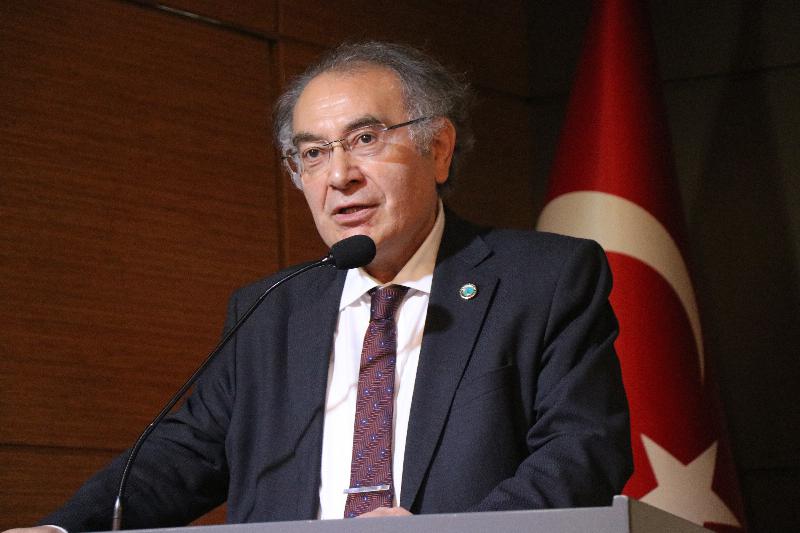
Prof. Dr. Nevzat Tarhan: “Compassion is greater than love”
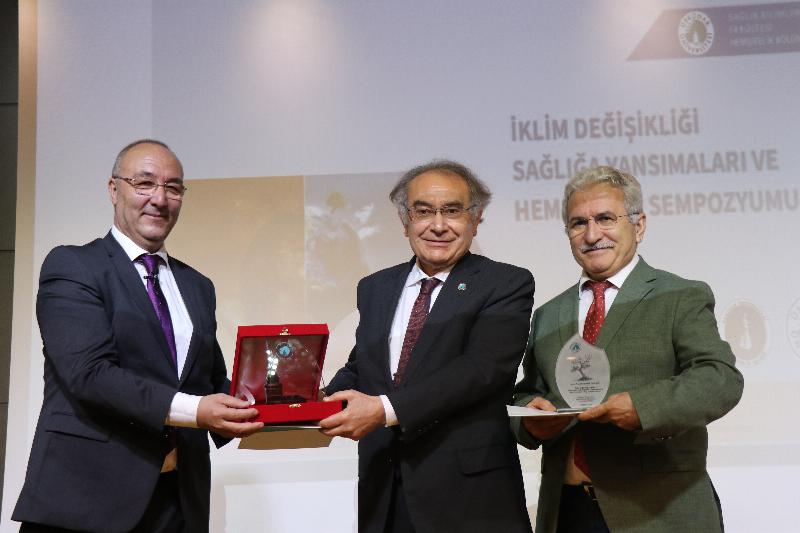
Üsküdar Üniversitesi Founding Rector, Chairman of the Board of Trustees, Psychiatrist Prof. Dr. Nevzat Tarhan, stated in his opening speech that combining the topics of nursing and climate change, which is the subject of the symposium, is very meaningful. Prof. Dr. Nevzat Tarhan stated that there are two concepts that make the health and nursing profession special: “I will ask climate scientists to borrow these two concepts from nurses. One is the concept of compassion. Compassion is greater than love. There can be self-interest in love; one can love due to expectation or benefit. In fact, one loves their own interest in the other person. This is also a form of love, but compassion contains love with empathy. It accepts the other person as they are, loves them, and does not try to change them. The concept of compassion is a very important concept in health services. It would be beneficial for those dealing with climate to borrow this concept.”
Prof. Dr. Nevzat Tarhan: “There is empathy in kindness”
Prof. Dr. Nevzat Tarhan noted that the second concept is kindness: “It is very important in nursing and for all healthcare professionals. A surgeon does not treat tissues roughly during an operation; they treat them with kindness. They treat the patient with kindness. Kindness has a special quality: it is greater than respect. What is in respect? Respect can stem from fear. People can also show respect for their own gain. But kindness is noble. There is empathy in kindness. If there is empathy in respect, we call that kindness. This is very important in health services. I believe it is very important for climate scientists to use this in their contact and relationships with nature.”
Prof. Dr. Nevzat Tarhan: “Intelligent people do not treat nature roughly”
Prof. Dr. Nevzat Tarhan noted that humans treat nature very harshly, stating, “Two-thirds of the soil has a bacterial population, meaning nature is alive. If nature could speak, it would tell humans, ‘I don’t need you, but you need me.’ Scientific studies have confirmed this with mathematical modeling. There are studies on bees. When bees disappear, the world turns into a desert within 50 years. When there are no bees, the soil turns to dust. Because bees do pollination. Where there are no bees, trees blossom but do not bear fruit. Chernobyl became green after the disaster. This means nature doesn't need us; we need nature. Intelligent people do not treat nature harshly.”
Prof. Dr. Nevzat Tarhan: “There is a need for a synthesis of mind and heart”
Prof. Dr. Nevzat Tarhan noted that climate change means nature is ill, stating, “Currently, nature is sick. It is very important to treat nature as we would a patient. Nature has a broken leg and is in pain. Nature is withered and forlorn. Therefore, considering that nature is sick, it should be treated accordingly. It is important that a sacred task like health also applies to nature. Nature is generous because it gives back more than it receives. It treats those who treat it well, well in return. Due to this characteristic, it is important to treat nature with more respect, as if there is a living being in front of us. This also exists in Eastern wisdom; there is respect for nature. Unfortunately, Muhammad Iqbal has a beautiful saying, ‘The East lost its mind, the West lost its heart.’ Eastern societies are societies of emotion, while the West is thought-based. Currently, humanity needs a synthesis of mind and heart. Therefore, it is very valuable for us to be able to make this synthesis in our own field and for our young colleagues to prioritize compassion and kindness when performing their profession.”
Prof. Dr. Nevzat Tarhan also drew attention to the social impact of healthcare professionals, stating, “Healthcare professionals also have a duty to inform the public. We also have a responsibility to inform our patients and their relatives about good health and a good life.”
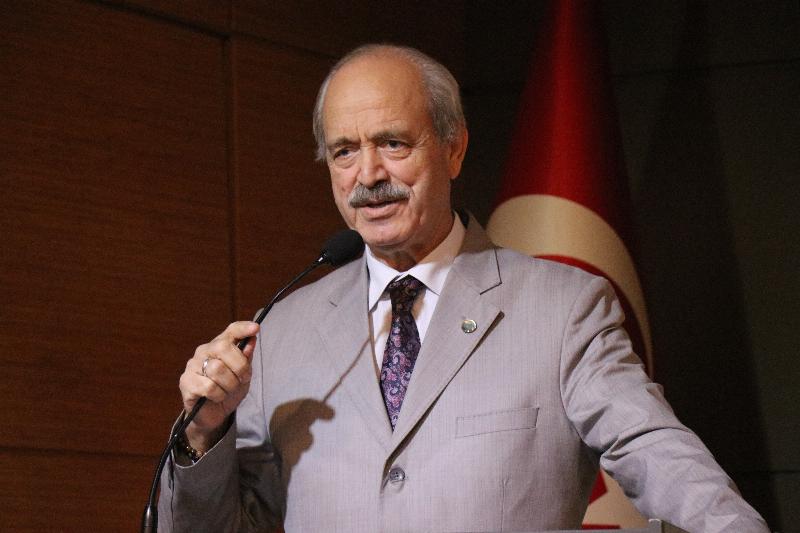
Prof. Dr. Mehmet Zelka: “Increasing the number and quality of nurses is important”
Üsküdar Üniversitesi Acting Rector Prof. Dr. Mehmet Zelka, in his opening speech, emphasized the importance of health and the nursing profession, stating that the World Health Organization recommends allocating approximately 5% of the Gross National Product to the minimum health sector. Prof. Dr. Mehmet Zelka said, “In developed countries, this figure is much higher, around 8%. There are countries that are. In our country, it is close to 5%.” Prof. Dr. Mehmet Zelka stated that in the past two years, the pandemic has seriously demonstrated the importance of health and the importance and sacrifices of healthcare personnel, adding, “The importance of nursing in sustaining these services has also been understood. A healthy society is very important for the economic, social, and national prosperity of the country. Increasing both the number and qualifications of nurses, who make significant contributions to achieving complete health, is also of great importance.”
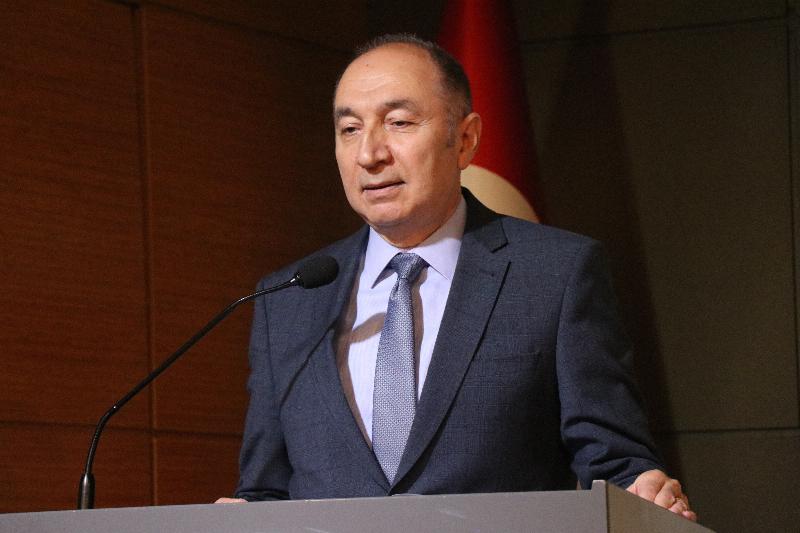
Prof. Dr. A. Aktuğ Ertekin: “Climate change affects many things besides health”
Üsküdar Üniversitesi Faculty of Health Sciences Dean Prof. Dr. A. Aktuğ Ertekin also stated that climate change has effects in many areas besides health, saying, “Climate change affects living and non-living beings, our country, our society, and the world. Studies related to the universe may emerge over time.” He thanked the organizers, contributors, and participants of the symposium.
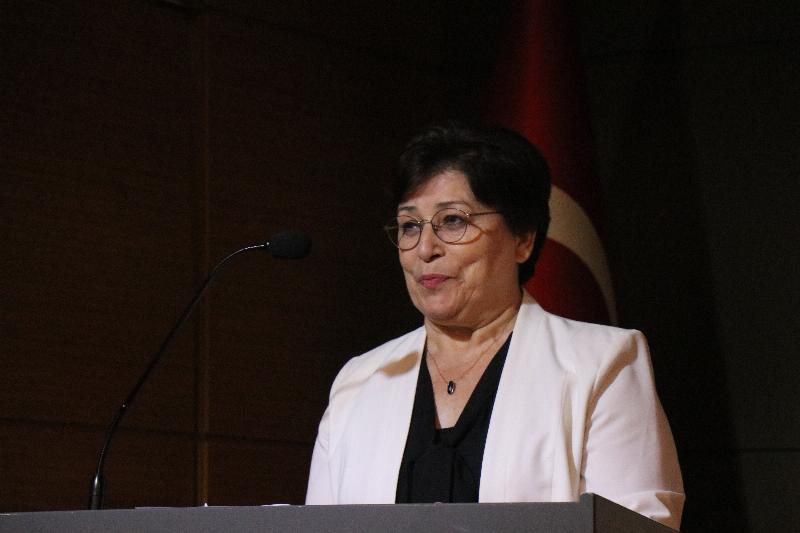
Prof. Dr. Selma Doğan: “It is important for healthcare professionals to step forward”
Üsküdar Üniversitesi Head of Nursing Department Prof. Dr. Selma Doğan stated that many studies on global climate change have been carried out worldwide and in Turkey, but these are not sufficient. Emphasizing the importance of awareness-raising efforts, Prof. Dr. Selma Doğan said, “The World Health Organization emphasizes that healthcare professionals must raise their voices regarding health problems related to climate change and come to the forefront in the fight against climate change.” Prof. Dr. Selma Doğan noted that they organized this symposium to inform healthcare professionals about climate change and to increase their awareness, adding that future symposiums will be more multidisciplinary.
Adil Tek: “Country borders will disappear with climate change”
Following the opening speeches, a conference moderated by Prof. Dr. İbrahim Özdemir, Dean of Humanities and Social Sciences, took place. Adil Tek, Head of Boğaziçi University Kandilli Observatory Meteorology Laboratory, drew attention to the disappearance of national borders by addressing the causes and consequences of climate change. Adil Tek stated that within the scope of combating climate change, energy problems should be resolved, and measures related to sustainable development should be taken.
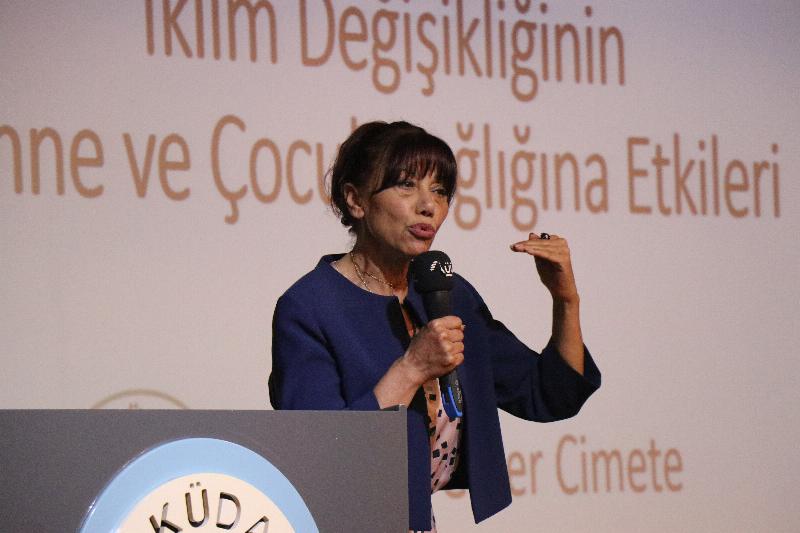
Prof. Dr. Güler Cimete: “Stress caused by climate change-related events can affect the brain development of unborn babies”
The symposium continued with a dual conference chaired by Prof. Dr. Besti Üstün. Dr. Melike Yavuz, faculty member from Bahçeşehir Üniversitesi Faculty of Medicine, discussed the effects of climate change on health; while Prof. Dr. Güler Cimete, Head of the Midwifery Department at Üsküdar Üniversitesi Faculty of Health Sciences, in her speech titled “Effects of Climate Change on Maternal and Child Health,” stated that changes in weather events, increasing temperatures, heatwaves and droughts, uncontrollable fires, increased storm intensity and floods, crop spoilage and lower nutritional value, changing distribution of vectors, and air pollution resulting from the continuous use of fossil fuels place a heavy burden on children. Prof. Dr. Güler Cimete warned, “Prenatal maternal stress caused by climate change-related events negatively affects fetal brain development due to cortisol secretion.”
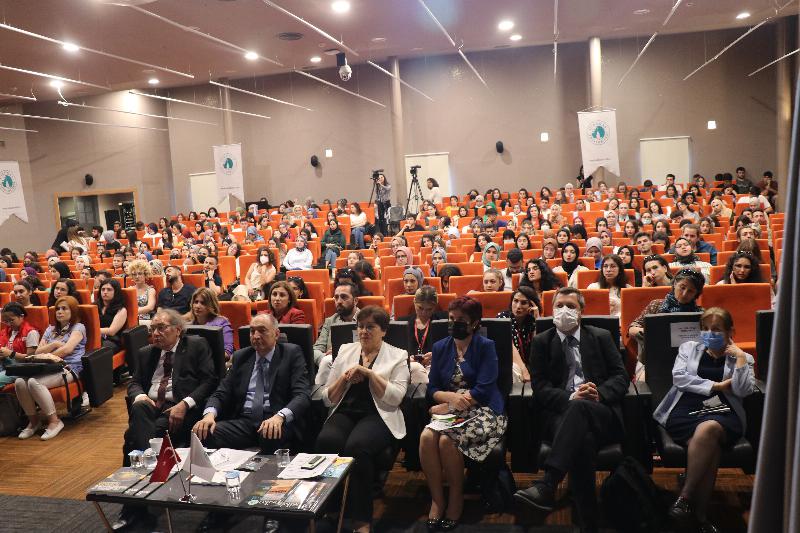
In another dual conference chaired by Üsküdar Üniversitesi Faculty of Health Sciences Dean Prof. Dr. A. Aktuğ Ertekin, Meryem Kayan, Deputy Head of IMM Environmental Protection Branch, delivered a speech titled “Combating the Climate Crisis: The Istanbul Example,” and Expert Dr. Mustafa Hakan Yılmaztürk, Head of IMM Health and Hygiene Branch, delivered a speech titled “Health-Oriented Efforts in the Climate Crisis Fight.”
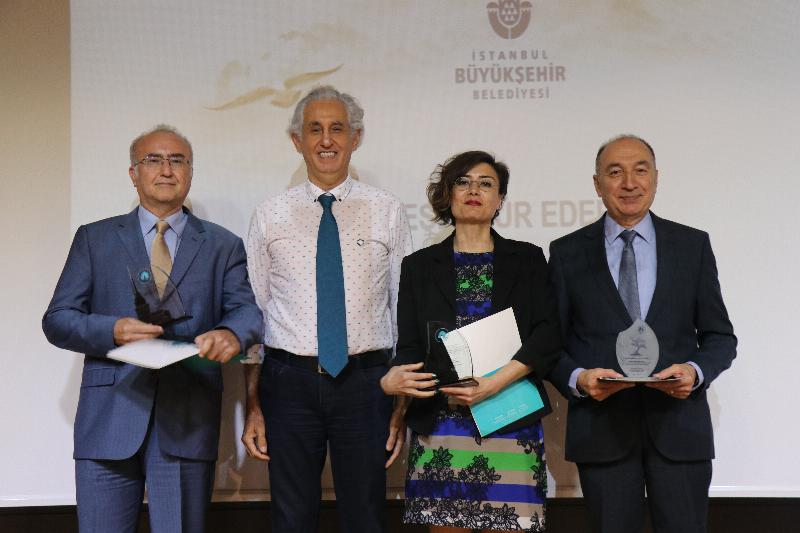
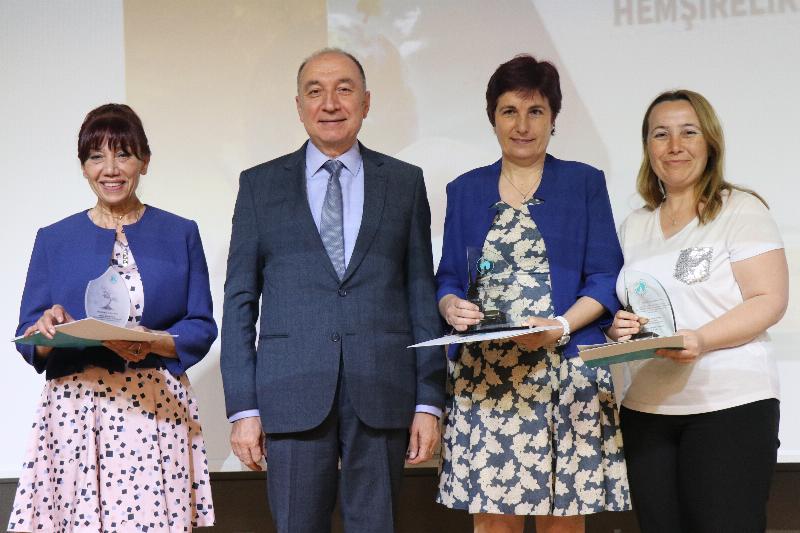
In the afternoon sessions of the symposium, a panel titled “Climate Change and Health Institutions” chaired by Üsküdar Üniversitesi Faculty of Medicine Dean Prof. Dr. Haydar Sur, and panels titled “Public Health Nurses in the Fight Against Climate Crisis” chaired by Üsküdar Üniversitesi Head of Nursing Department Prof. Dr. Selma Doğan, were held.
The symposium was broadcast on ÜÜ TV and Üsküdar Üniversitesi's official YouTube channel.

