

Highlighting the importance of measures in the fight against the pandemic affecting the whole world, Üsküdar University Faculty of Medicine Dean Prof. Dr. Haydar Sur said, “If we simultaneously implement the trio of social distancing, ventilation, and intensive vaccination, we will largely eliminate this disease from our lives by autumn.” Prof. Dr. Haydar Sur also stated that they foresee most people who are hesitant about foreign vaccines will get vaccinated when the domestic vaccine becomes available.
Content
Prof. Dr. Haydar Sur: “Domestic vaccine can change anti-vaxxers' minds”
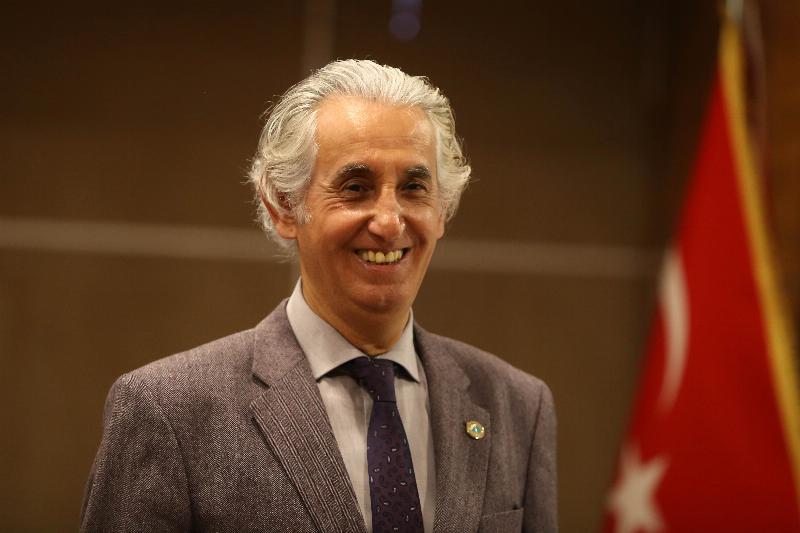
Prof. Dr. Haydar Sur, Dean of Üsküdar University Faculty of Medicine, made evaluations regarding the gradual normalization process after the full lockdown.
Bayram greetings will slightly reduce the positive effects of the lockdown
Referring to the decrease in case numbers after the 17-day lockdown, Prof. Dr. Haydar Sur said, “If we attribute this decrease solely to the lockdown, we would be misinterpreting it. The decline had already begun in the early period, even before the effects of the lockdown started to be seen. The seasonal transition of the virus to a downward trend also indicates the situation we are currently experiencing. The lockdown also brought a sense of relief. This relief has both positive and negative aspects. During the Bayram period, we became intertwined with various dynamics. Unfortunately, the negative effects of Bayram greetings and household transmissions will somewhat diminish the positive effects of the lockdown.”
Domestic vaccine studies raise hopes
Stating that managing this process with vaccination will bring the effects of the lockdown to the desired level, Prof. Dr. Haydar Sur said, “We have some obstacles regarding vaccines. The first is the issue we face in vaccine supply. Our Minister's statement, ‘we will feel relieved in 10-15 days,’ strengthened hopes. Another hope is that at least 3-4 of the vaccine studies conducted in our country will proceed to Phase-3 stages. This is a very important development. Approximately 15% of healthcare workers have not been vaccinated due to hesitation and doubt about the vaccine. There are 1.2 million people working in the healthcare sector. Healthcare professionals who have a complete understanding of the human body, such as doctors, nurses, physiotherapists, dietitians, and midwives, do not have this concern. Even if they do, such concern is less than one in a thousand among those who have studied health sciences. Those working in hospital kitchens, canteens, and cleaning staff are also considered healthcare personnel. According to research, half of this segment says, ‘I will get vaccinated when the Turkish vaccine comes out, I don't trust foreign vaccines.’ If we consider this group who will get vaccinated by trusting the Turkish vaccine, we see that vaccine distrust among healthcare professionals approaches 5%, which is below the initial hesitant percentages.”
Solution: social distancing, ventilation, and intensive vaccination
Prof. Dr. Haydar Sur stated that they foresee most people who are hesitant about vaccination will get vaccinated when Turkish vaccines become available, “This will put us in a new tunnel of opportunity. If we simultaneously implement the trio of social distancing, ventilation, and intensive vaccination, we will largely eliminate this disease from our lives by autumn. If 80% of the society is immunized, the virus cannot easily spread from person to person and exist in that society. For this, people either need to have had the disease or be vaccinated. There is no other way currently. What we are talking about is an infectious disease. To purify a society from infectious diseases, you need to bring them down to zero. Even zero is not enough for arrivals from abroad. Because there is a risk of reintroducing the case. Therefore, it would not be correct to mention a magic number like one thousand, two thousand, or three thousand. With 2,000 to 3,000 daily cases, our colleagues and friends working in the Turkish healthcare system can carry out excellent public health work. They can easily reach the contacts of each case and the contacts of those contacts through contact tracing, and establish mechanisms to prevent further spread.”
Open-air classrooms can be created for students
Stating that the disruptions in education over the past two years are particularly critical for primary school students, Prof. Dr. Haydar Sur said, “Schoolyards should be turned into open-air classrooms and dedicated to completing the educational gaps. We must utilize the opportunity provided by open air. We only talk about shopkeepers, but I believe we should also focus on schools. Completion using open-air classrooms should be on the agenda this summer.”
Share
Update Date: February 27, 2026
Creation Date: May 18, 2021
Request a Call
Other News
- Prof. Nevzat Tarhan: “Those with a mental filter are not afraid of the digital”
- Artificial intelligence doesn't eliminate the translator, it transforms their expertise!
- Social responsibility courses moved to the field
- Erasmus+ Orientation Week completed at Üsküdar
- Prof. Nevzat Tarhan: “Brain secretes ‘dark glue’ in social media lynchers!”