

Prof. Dr. Ebulfez Süleymanlı stated that the pandemic process has caused many social effects worldwide, adding that in the initial period of the pandemic, societies globally became introverted due to quarantine and restrictions. Prof. Dr. Ebulfez Süleymanlı said that in recent months, especially with vaccine studies, collaborations among societies have come to the fore and accelerated.
Content
Prof. Dr. Ebulfez Süleymanlı: “Vaccine studies accelerated social collaborations”
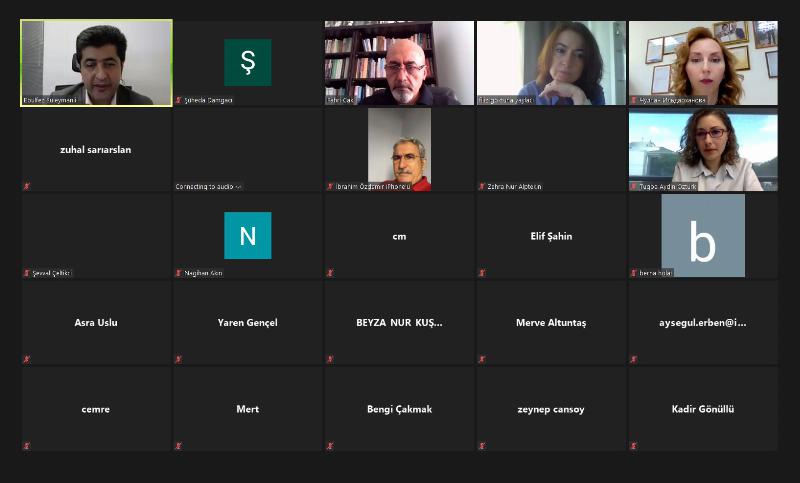
Üsküdar University and Üsküdar University Sociology Club organized a panel titled “The Place and Importance of Sociology in the Pandemic Process,” where the sociological reflections and social impacts of the pandemic process in the world and in our country were discussed. Prof. Dr. Ebulfez Süleymanlı, Head of the Sociology Department at Üsküdar University, delivered the opening speech for the online panel, which was held due to pandemic measures, stating that the panel held on November 14th, World Sociologists’ Day, was very meaningful.
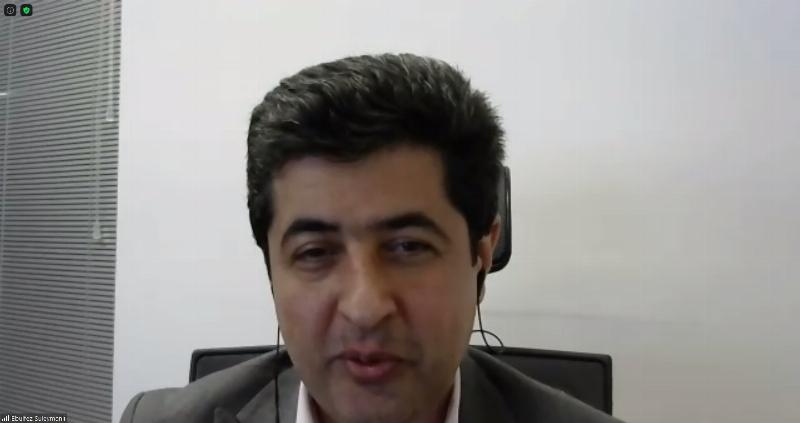
Prof. Dr. Ebulfez Süleymanlı: “The pandemic process has been a very rich period sociologically”
Prof. Dr. Ebulfez Süleymanlı noted that it is a known fact that the Covid-19 pandemic, in particular, has left certain effects on social lives worldwide, stating, “The science of sociology is also focused on how society as a whole and the social structure that shapes it will be affected by such a development. During the pandemic process, we had the opportunity to observe from different platforms that various studies and evaluations were conducted, particularly on different segments of social life such as sociological, psycho-sociological, political, and international areas, economic order, and education systems, with a somewhat relational sociological perspective. A great deal of field research was carried out during this period. As the sociology department, we conducted research on immigrant loneliness during the pandemic. We also conducted research on the impact of the pandemic on holidays, specifically regarding Eid al-Adha. The pandemic process has been a very rich period in a sociological sense. An effort was made to reflect the pandemic’s effects on society, especially with a sociology-based approach. As is known, sociological studies on the social life that emerged with the virus and how society has transformed are important. In this context, it should be emphasized that sociologists in Turkey and worldwide have experienced a very productive period.”
Prof. Dr. Ebulfez Süleymanlı: “Vaccine studies accelerated global cooperation”
Prof. Dr. Ebulfez Süleymanlı stated that societies went through an introverted period with quarantine and restriction processes in the early stages of the pandemic, noting that in recent months, especially with vaccine studies, collaborations among countries and societies have accelerated.
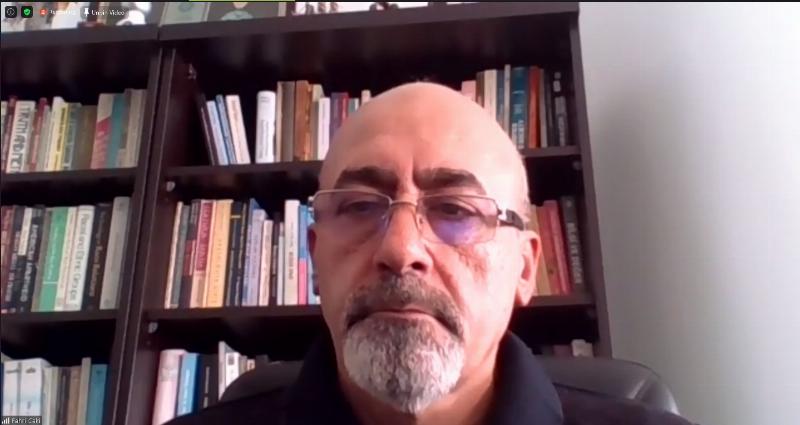
Prof. Dr. Fahri Çakı: “The poor, migrants, children, and people with disabilities are vulnerable to harm”
Prof. Dr. Fahri Çakı, a faculty member in the Sociology Department of Balıkesir University, Faculty of Arts and Sciences, stated in his speech titled “The Importance of Sociology in the Pandemic” that the primary focus of sociology would be to investigate the root causes of the pandemic, listing these root causes as nature, social and political structure, or the risk-creating nature of modernity. Çakı pointed out that some social groups are more vulnerable and susceptible to harm than others, saying, “The poor, migrants, children, people with disabilities, the elderly, those requiring special care, and women are much more fragile and vulnerable to harm compared to other social segments. The second objective of sociology during the pandemic will be to generate knowledge and develop solution proposals aimed at increasing the resilience of these groups.”
Prof. Dr. Fahri Çakı added that another very important contribution of sociology would be to focus on the social construction processes of pandemics based on socio-cultural perceptions of pandemic risks, power relations, language used, and historical and social contexts.
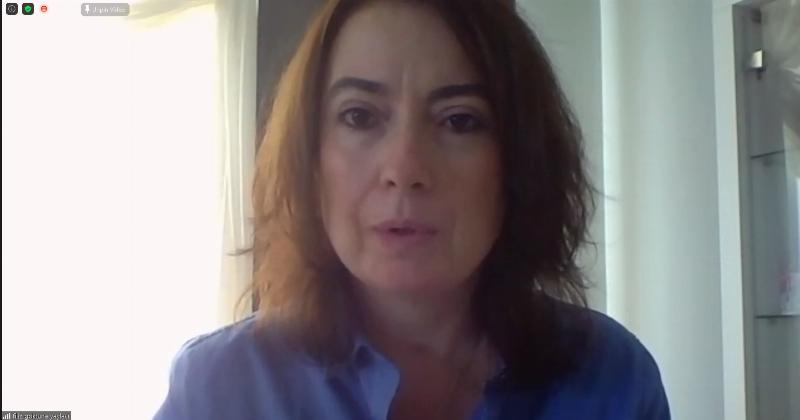
Assoc. Prof. Dr. Filiz Göktuna Yaylacı: “The pandemic negatively affected asylum seekers and refugee groups”
Assoc. Prof. Dr. Filiz Göktuna Yaylacı from Anadolu University’s Sociology Department drew attention to the most devastating effects of the pandemic on asylum seeker and refugee groups, discussing studies conducted in this area. Yaylacı noted that as of the end of 2019, there were 79.5 million forcibly displaced persons, with 26 million officially recognized refugees worldwide, and 47.5 million of these were internally displaced within their own countries.
According to the statements of the International Organization for Migration, Yaylacı noted that hundreds of thousands of migrants lost their jobs during this period, stating, “Most migrants continue to work in precarious, unhealthy jobs without protective equipment. Since the beginning of the pandemic, poor migrants have faced problems accessing healthcare services, basic housing, nutrition, and hygiene conditions. Asylum-seeking children also continue to experience unequal access to distance education. Although mobility has been restricted with the pandemic, migrants continue to embark on migration routes and cross borders under life-threatening conditions.”
Assoc. Prof. Dr. Filiz Göktuna Yaylacı stated that the negative perception in the media became even more pronounced during this process, adding that exclusionary and othering approaches on this matter should be abandoned. Yaylacı also pointed out the importance of providing information to migrants and asylum seekers regarding Covid-19.
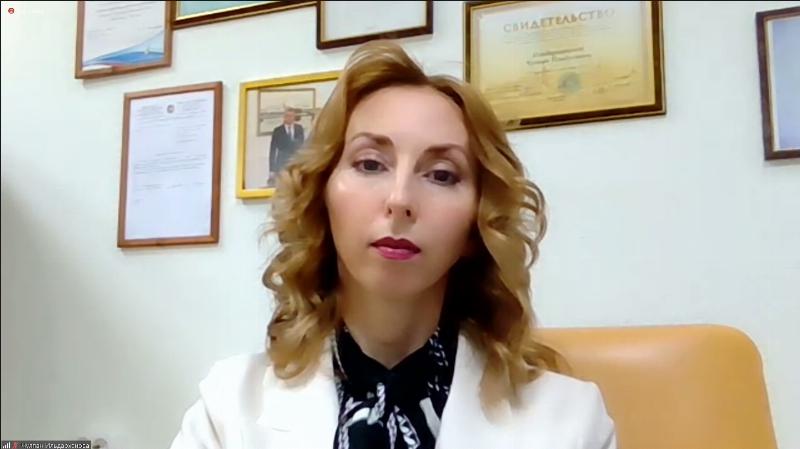
Prof. Dr. Chulpan Ildarhanova discussed the effects of the pandemic on Russian society
Prof. Dr. Chulpan Ildarhanova from the Institute of Family and Demography, Tatarstan Academy of Sciences, referred to the research and studies conducted in Russia during this period. Ildarhanova stated that a study conducted with 1,300 men in Russia revealed that Russian men experienced problems in family relationships, saying, “We found that married men were not ready to spend so much time with their families and children during the isolation period. Russian men needed their own private space. Married men had to deal more with household chores and problems. At the same time, single men reported re-evaluating the advantages of living alone and thinking more frequently about marriage and children.”
Share
Update Date: February 26, 2026
Creation Date: November 13, 2020
Request a Call
Other News
- The book that read today's digital threats in 2014: Being a Conscious Family
- Experts warn: 'Instead of memorizing letters, teach pencil grip, scissor use, and coloring'
- School fear and school love both start in the family!
- Family is not merely transforming, it is being battered under a serious assault
- Artificial intelligence opens the door to early diagnosis in autism!