

Individuals with special needs can be affected by a single disability, as well as by multiple disabilities to varying degrees. Experts state that disabled individuals primarily experience economic hardship, care problems, and psychological issues; they also face problems such as discrimination, accessibility, education, employment, and health within society. Lecturer Gönül Kil Tetik emphasizes that the societal perspective needs to be changed and awareness should be created for disabled individuals, stating that families of disabled individuals who require comprehensive education should also be supported.
Content
They Face Problems in Social, Educational, and Work Life!
Societal Perspective Towards Disabled Individuals Must Change…
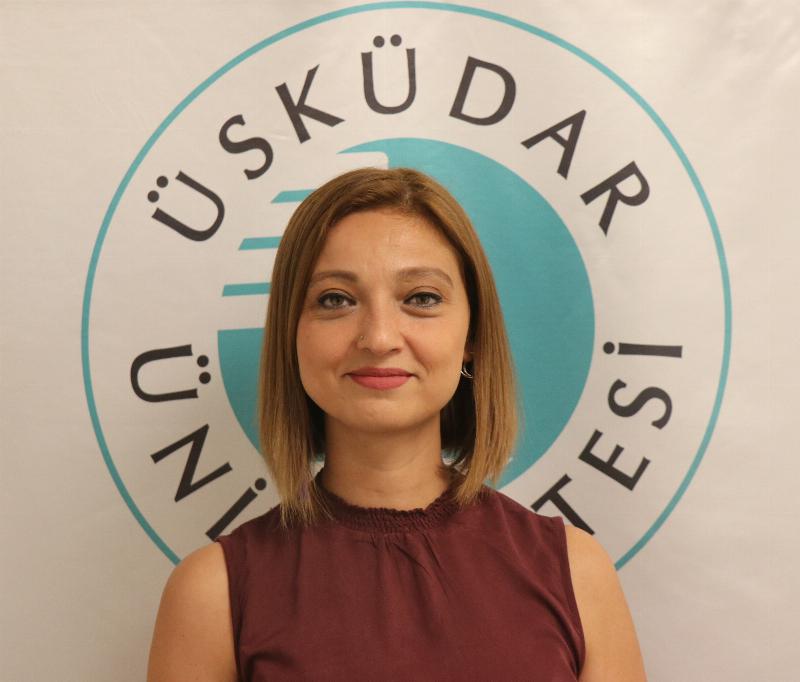
Lecturer Gönül Kil Tetik, Head of the Disability Care and Rehabilitation Program at Üsküdar Üniversitesi Vocational School of Health Services, drew attention to the difficulties experienced by individuals with multiple disabilities and their families in both social life and education, offering important advice.
They can be affected by multiple disabilities
Tetik stated that individuals with special needs can be affected by a single disability, as well as by multiple disabilities to varying degrees, and said, “The presence of more than one disability in an individual is referred to as multiple disability. In other words, multiple disability (MD) is defined as having two or more of various combinations of disability types such as visual, auditory, physical, intellectual, autism, etc., and some health problems.”
Societal perspective needs to change
Stating that individuals with multiple disabilities and their families can experience difficulties related to discrimination, accessibility, education, employment, and health within society, Tetik said, “When we examine it generally, the biggest problems for disabled individuals are seen as economic hardship, care problems, and psychological/mental issues. It is beneficial to say that as a society, we need to change our perspective. Family and societal culture affect the student's development. As long as families with these individuals and individuals with multiple disabilities continue to be affected by and crushed under societal pressure, and as long as our societal perspective does not change, they will continue to experience social exclusion. Services should be accessible and should reach the disabled individual.”
Awareness should be created for disabled individuals
Gönül Kil Tetik of the Disability Care and Rehabilitation Program emphasized that to overcome the problems faced by disabled people, there is a need to ensure continuity of education, create economic conditions, provide care services, eliminate prejudices, offer counseling services to families of disabled individuals, and create awareness for disabled people in our society.
Many factors lead to multiple disabilities
Tetik stated that the factors causing multiple disabilities can be grouped under three main headings:
“The first heading is prenatal factors, with sub-headings including genetic abnormalities, infections, drug use, nutritional disorders, and physical traumas to the mother. The second factor, at the moment of birth, includes sub-headings such as lack of oxygen for the baby, brain injury, infectious diseases like Syphilis, umbilical cord entanglement, and rupture. The third and final factor, postnatal, includes sub-headings such as infections like meningitis, traumatic brain injury, lead poisoning, incorrect medication use, and poisoning from environmental substances.” he said.
Families should be helped
Lecturer Gönül Kil Tetik, stating that families are very sensitive about this issue and blame themselves, continued her words as follows:
“States of depression can be observed. It is very important for the family to overcome this situation to be beneficial to the disabled individual. Families' perceptions should be respected, and their ideas valued. It is necessary to try to eliminate their negative perceptions by helping them with situations like self-blame, blaming others, and depression. If necessary, referrals should be made so they do not hesitate to seek psychological help. Educational programs need to be prepared taking into account the family's cultural values. Group sessions where families of individuals with multiple disabilities are brought together can be held. Sharing information about how families discuss their common problems and find solutions will be beneficial. Furthermore, expanding family-centered programs for families with young children with multiple disabilities and implementing initiatives to change the attitudes of the society in which families live towards individuals with disabilities would also be a good step.”
Siblings should not be overlooked
Tetik emphasized that the siblings of individuals with disabilities should not be overlooked, stating, “Siblings in this situation may exhibit cognitive, emotional, and behavioral characteristics such as jealousy due to more attention being given to the sibling with a disability, guilt for being healthy themselves, sadness because their sibling is disabled, fear due to the possibility of becoming like their sibling, and shame towards them. Therefore, it is necessary to create awareness among families regarding this issue as well.”
They need comprehensive education
Lecturer Gönül Kil Tetik stated that early education is extremely important for individuals in this situation and in special education, and continued her words as follows:
“Individuals with multiple disabilities require very comprehensive support appropriate for their age. We can say that they have the right to free education in preschool. Even if individuals with multiple disabilities receive education in regular classrooms, they spend more time in special education institutions. They can make progress with individual and group education appropriate for their developmental levels and ages. Individuals at the secondary education level can attend vocational training institutions according to their levels and be motivated by participating in many activities with assistive tools.”
Education with peers is beneficial
Lecturer Gönül Kil Tetik, Head of the Disability Care and Rehabilitation Program at Üsküdar Üniversitesi Vocational School of Health Services, stated that individuals with multiple disabilities receiving education with their peers, whether disabled or not, benefits both themselves and their peers, and said, “Thanks to the positive attitudes of non-disabled peers, individuals' social communication and skills also progress. Therefore, inclusion can be the best educational environment. The individual's education should primarily aim for both academic achievement and vocational training. It is necessary to help them gain employment, taking into account their individual characteristics and disability status.”
Share
Update Date: March 01, 2026
Creation Date: September 23, 2022