

Experts emphasize that healthy and balanced nutrition for the mother is crucial during pregnancy and breastfeeding, stating that protein needs increase during this period. Experts stress that at least one-third of daily protein should come from animal sources, and they also recommend mixed nutrition for the consumption of plant-based proteins. According to experts, consuming cereals with milk and its derivatives can alleviate essential amino acid imbalance compared to consuming only cereals. The best example of this is dried beans and rice pilaf.
Content
Recommendation for dried beans and rice during pregnancy…
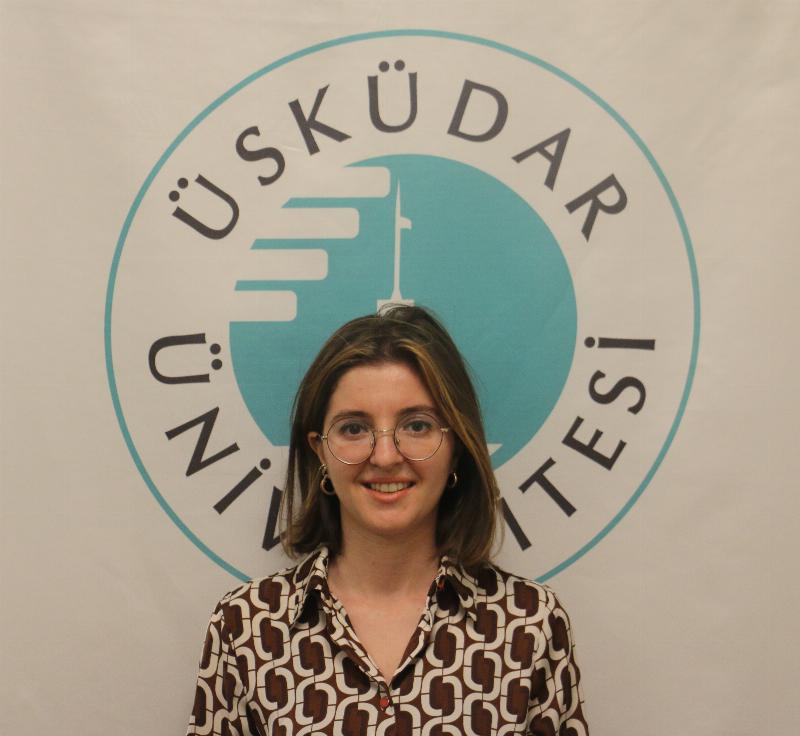
Lecturer Gökçen Özüpek from Üsküdar Üniversitesi Vocational School of Health Services (SHMYO) Food Technology Program evaluated the importance of healthy and balanced nutrition during pregnancy.
Many factors affect maternal and infant health
Nutrition and diet expert Gökçen Özüpek stated that protein-rich nutrition is particularly important during pregnancy and listed many factors affecting maternal and infant health during pregnancy and lactation, including maternal age (especially being under 18 or over 35), number of pregnancies/multiple pregnancies, interval between pregnancies, genetic factors, chronic diseases, medication use, and most importantly, adequate and balanced nutrition.
Özüpek stated that there is a significant relationship between nutrition during pregnancy and the health of the baby in the womb, adding, “The baby's physical and mental growth and development during this period are possible through the mother's adequate and balanced nutrition throughout her pregnancy.”
Daily recommended protein intake
Nutrition and diet expert Gökçen Özüpek also mentioned the daily recommended food consumption amounts during pregnancy, stating that 2 glasses, or 400-500 ml, of milk or yogurt, 2 slices, or 60 grams, of cheese, 3-4 servings of meat, fish, chicken, 1 serving of egg, legumes, and 5 to 7 servings of fresh fruit and vegetables should be consumed daily. Özüpek also listed the daily recommended grain group as 4-6 slices of bread, and 2-3 servings of rice, bulgur, and pasta.
Protein requirement increases by 20-25 grams
Gökçen Özüpek noted that during pregnancy, the need for energy, macro, and micro nutrients increases for the mother to meet her own physiological needs, maintain her body's stores in balance, ensure the healthy growth and development of the baby in the womb, and prepare for the lactation period. She stated, “Especially during pregnancy, the increase in blood volume, the growth of the uterus and breasts, and the development of the placenta and fetus increase the protein requirement among macronutrients, and an additional 20-25 grams should be added to the normal protein requirement during this period.”
Nutrition and diet expert Gökçen Özüpek noted that protein needs are met by animal sources such as red meat, chicken and other poultry, white meat like fish, dairy products such as yogurt, ayran, kefir, cheese, and eggs. She added, “Protein needs are also met by plant-based sources such as legumes, cereals, and vegetables.”
Highest protein content is found in eggs
Özüpek stated that studies on the subject emphasize the nutritional quality of protein. She said, “The nutritional quality of a protein is measured by its essential amino acid content and digestibility. Animal and plant protein sources differ in this regard: Egg protein is an exemplary protein. It is considered the protein with the highest bioavailability for the body.”
Animal proteins ensure body growth
Nutrition and diet expert Gökçen Özüpek stated that animal proteins contain all exogenous amino acids in a balanced proportion, adding, “The position of amino acids within the animal protein molecule, where digestive enzymes can easily act, increases the net protein utilization rate of animal proteins. Animal proteins are similar to proteins in the human organism; even when consumed alone, they promote body growth. Additionally, Vitamin B12 is found alongside animal-derived proteins. By consuming animal-derived proteins, Vitamin B12 is also taken in.”
Plant proteins should be consumed with cereals
Nutrition and diet expert Gökçen Özüpek emphasized that due to economic difficulties, cereals and legumes are important protein sources in many developing countries. She added, “However, because plant proteins are not as balanced in amino acid composition as animal proteins, their utilization rates in the body will be lower than animal proteins. For individuals whose dietary pattern contains more plant-based sources due to various socioeconomic factors, mixed nutrition should be recommended.”
Dried beans and rice pilaf are a balanced meal
Nutrition and diet expert Gökçen Özüpek also gave the following examples regarding mixed nutrition consisting of plant proteins and cereals:
“For example, consuming cereals with milk and its derivatives, compared to consuming only cereals, can help address essential amino acid imbalance. In cereals, lysine and threonine are amino acids found in limited amounts. Legumes, on the other hand, contain sulfur-containing amino acids in limited amounts. Therefore, instead of consuming only cereals or only legumes in a meal, having a meal that includes both legumes and cereals simultaneously (such as dried beans and rice pilaf) is important for ensuring a balanced amino acid pattern.”
At least one-third of daily protein must come from animal sources
Nutrition and diet expert Gökçen Özüpek noted that one of the common health problems during pregnancy is iron deficiency anemia. She stated, “Research indicates that including only plant-based protein-containing foods in the diet leads to a decrease in iron absorption in the intestines due to the fiber content in these foods, thereby increasing the risk of anemia. For all these reasons, it should not be forgotten that at least one-third of a pregnant woman's daily protein requirement must be met from animal sources.”
Share
Update Date: March 01, 2026
Creation Date: December 28, 2022