

The biological clock, a mechanism that controls the daily rhythms of organisms, enabling them to anticipate and prepare for future changes, regulates the daily, monthly, and seasonal variations of many chemical processes. Experts stated that the disruption of the circadian clock is known to be linked to the development of many diseases such as cancer, diabetes, various metabolic and neurological disorders, and sleep disturbances.
Content
Pay attention to our biological clock!
 Disruption of the biological clock invites diseases
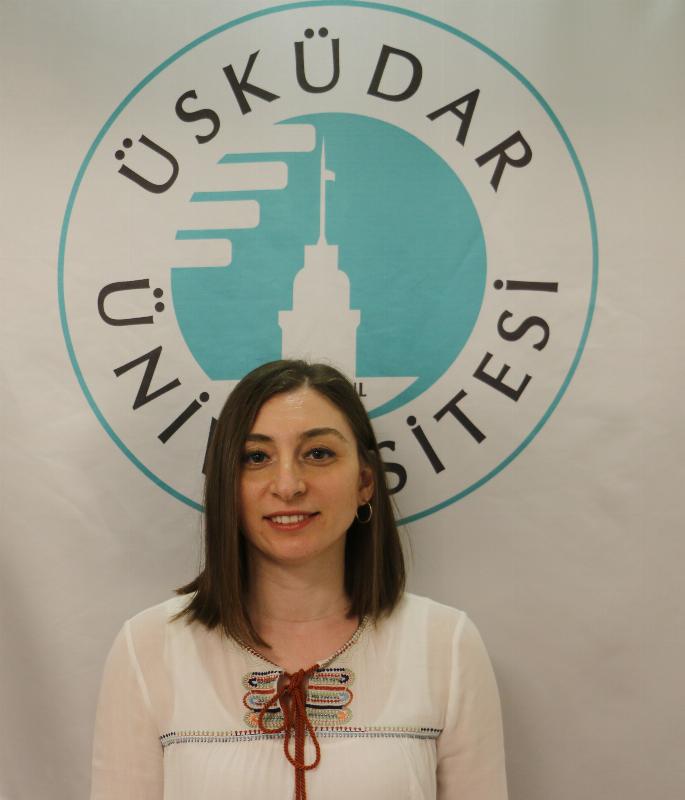
Dr. Handan Emişoğlu Külahlı, Assistant Head of the Bioengineering (English) Department at Üsküdar Üniversitesi's Faculty of Engineering and Natural Sciences, made remarkable evaluations regarding the biological clock and its importance.
Dr. Handan Emişoğlu Külahlı defined the biological clock as 'a mechanism that controls the daily rhythms of organisms, enabling them to anticipate and prepare for future changes.'
The biological clock regulates the variations of many chemical processes
Dr. Handan Emişoğlu Külahlı stated that the biological clock regulates the daily, monthly, and seasonal variations of many chemical processes. Külahlı said that daily rhythms such as sleep; rhythmic changes in behavior or physiology like blood pressure, temperature, metabolic rates; annual rhythms such as preparing for migration by eating plenty of food, preparing for winter by storing food and hibernating; some creatures being most active at dawn and dusk, and flowers blooming at specific times of the day are regulated by the organism's internal clock, also known as the biological clock.
Provides a 24-hour rhythm…
Dr. Külahlı stated that the circadian clock has been identified in almost all organisms, from bacteria to humans, and said, 'The circadian clock provides a 24-hour rhythm for processes at many levels, from gene expression to an organism's behavior, and is an adaptation to the Earth's rotation.'
The circadian clock is divided into two
Külahlı stated that the human circadian clock is divided into two parts: 'the central clock located in the suprachiasmatic nucleus of the hypothalamus in the brain, and peripheral clocks found in almost every tissue and organ system.'
Dr. Handan Emişoğlu Külahlı explained, 'The central clock accepts light input from the retina in the eye; this information is converted into a chemical version, changing the levels of clock genes in specific neurons here, and transmission to peripheral organs and cells in other brain regions is also carried out, ensuring synchronization.'
Brought a Nobel Prize…
Dr. Handan Emişoğlu Külahlı stated that the circadian molecular clock found in the cells forming the central and peripheral clocks consists of a cyclical mechanism formed by the activation and suppression of core clock genes (Clock, Bmal1, Period 1-3 and Cryptocrome1-3). She said, “This mechanism provides daily rhythmicity to many biochemical and physiological functions. In 2017, the Nobel Prize in Physiology or Medicine was awarded to three scientists who discovered the molecular mechanisms controlling the circadian rhythm in fruit flies. Nobel laureate Prof. Dr. Aziz Sancar is a scientist who has significantly contributed to this field with his work on elucidating the mechanism of Cryptocrome gene's clock regulation and the clock's relationship with DNA repair and cancer.”
The biological clock enables the regulation of some genes
Dr. Handan Emişoğlu Külahlı noted that a desynchronization between the external environment and the clock causes many problems, and said, 'One of these is jet lag, which occurs because our body's internal clock struggles to adapt when we travel across multiple time zones. The circadian clock plays a role in regulating some genes expressed in any cell.'
Disruption of the biological clock can lead to health problems
Dr. Handan Emişoğlu Külahlı stated that the disruption of the circadian clock is known to be linked to the development of many diseases such as cancer, diabetes, various metabolic and neurological disorders, and sleep disturbances, adding, 'Furthermore, studies in recent years on how the circadian clock works and its relationship with many diseases have shown that the clock can also be a personalized treatment tool.'
Share
Update Date: March 01, 2026
Creation Date: August 25, 2022
Request a Call
Other News
- Social responsibility courses moved to the field
- Erasmus+ Orientation Week completed at Üsküdar
- Prof. Nevzat Tarhan: “Brain secretes ‘dark glue’ in social media lynchers!”
- Prof. Nevzat Tarhan: “Every segment of society should be able to say, ‘This constitution is my constitution!’”
- OHS releases guide for safe operation of industrial robots