

Üsküdar University Department of Sociology conducted a comprehensive study on the daily life practices of university youth during the pandemic. A total of 1865 associate, undergraduate, graduate, and doctoral students aged 18-26 studying at 146 different state and private universities in 73 cities of Turkey participated in the research. 43.2% of university youth stated that they missed spending time with friends, .3% hugging and embracing loved ones, and .8% going to school. To the question “How did you feel during the pandemic?”, 45.9% of participants answered “I re-evaluated life and myself”. There were also changes in the shopping habits of university youth during the pandemic. 43.9% of participants answered “I gained the habit of shopping through online sites”. Of the participants who chose this option, 68.8% were female; 31.2% were male.
Content
Pandemic Changed University Youth's Life Habits
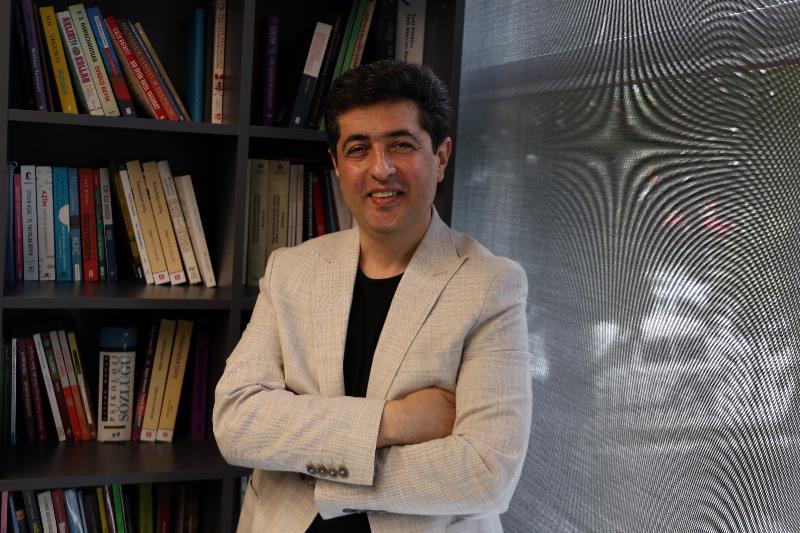
Undergraduate students Feyza Keskin and Zeynep Cansoy from Üsküdar University Department of Sociology actively participated in the realization of the research conducted nationwide in Turkey under the leadership of Prof. Dr. Ebulfez Süleymanlı, Head of Üsküdar University Department of Sociology. This research aimed to generally examine how university students spent their time during the pandemic and how daily life and habits were shaped and changed during the pandemic through different variables.
1865 students participated in the research
A total of 1865 associate, undergraduate, graduate, and doctoral students aged 18-26 from 79 different departments and programs studying at 146 different state and private universities in 73 cities of Turkey during the 2020-2021 Academic Year participated in the study conducted via an online survey.
Prof. Dr. Ebulfez Süleymanlı, providing information about the research, said, “Of the participants, 60.1% were female (1121 people) and 39.9% were male (744). 77.6% were undergraduate, .8% associate, .6, 4.7% graduate, and 0.9% doctoral students. 59.6% (1,112) of the participants study at a state university, and 40.4% (753) study at a private university. 40.4% of the participating students are between 18-20 years old, 36.8% are between 20-22 years old, .7% are between 22-24 years old, and .1% are 24 years and older.”
How Did the Pandemic Change Life Habits?
The research included a series of questions aimed at measuring students' life habits, employment status, consumption behaviors, and changes in hobby habits during the pandemic.
Missing Friends Ranked First
University participants were first asked what they missed most during the pandemic. To this question, 43.2% of participants stated that they missed “spending time with friends,” .3% “hugging and embracing loved ones,” .8% “going to school,” 8% “traveling intercity (or internationally),” 3.6% “going to cafes and restaurants,” 3.6% “going to the cinema and theater,” and 1.4% “going to the library.”
To the question “Has there been any change in your employment status (including part-time jobs) during the pandemic?”, a large proportion of participants, 73.7%, stated “I was not working before the pandemic, and there has been no change in this situation since the pandemic,” while .4% answered, “I was working before the pandemic and continued to work after the pandemic.” 7.1% of participants stated that they were working before the pandemic but left their jobs due to pandemic conditions, and 3.5% said their employment was terminated with the pandemic.
Weight Gain Observed During the Pandemic
To the question “Has there been any change in your weight during the pandemic?”, 35.3% of participants said their weight slightly increased, .3% said they gained a lot of weight, and 31.6% answered, “My weight remained the same.” In contrast, 20.8% of participants said their weight decreased.
Students' Sports Habits Are Low
To the question “Has there been any change in your exercise habits during the pandemic?”, 44.4% of participants answered, “I wasn't exercising before the pandemic, and there was no change during the pandemic.” On the other hand, 22.7% of participants stated that they started exercising during the pandemic. While the rate of those who stopped exercising due to pandemic conditions corresponded to ', and only .7% stated that they exercised regularly before and after the pandemic.
Online Classes Did Not Significantly Affect Success
To the question “Has there been any change in your attendance and success level in classes during the pandemic?”, 44.5% of participants answered, “There was no significant difference in both my class attendance and my academic success level (grades),” while 30.2% answered, “My attendance level in online classes increased, and my academic success level (grades) improved.”
Women More Active in Online Shopping
To the question “Has there been any change in your shopping habits during the pandemic?”, 43.9% of participants answered, “I gained the habit of shopping through online sites.” When comparing participants who chose this option by gender, it was observed that 68.8% of women and 31.2% of men gained online shopping habits. While 43.4% of participants stated there was no change, .3% answered, “I learned to curb my shopping urge during the pandemic.”
Tensions Observed in Family Relations During the Pandemic
To the question “How did your relationships with family members develop during the pandemic?”, 37.9% of participants answered, “the pandemic process had no effect on family relations,” while .9% said, “tensions were observed in relations between family members, disagreements increased,” and 'i (missing number) answered, “disagreements increased, tensions were observed in relations between me and my family members.” 27.9% of participants chose the option “our relationships and solidarity among family members strengthened” for this question.
Youth Felt More Lonely Due to the Pandemic
To the question “Has there been any change in your loneliness level during the pandemic?”, 44.3% of participants answered, “I never felt lonely before or during the pandemic,” while almost the same proportion of participants (44.2%) answered, “I started to feel more lonely during the pandemic.” 8.2% of participants answered, “I felt more lonely before the pandemic, but my loneliness decreased during the pandemic.”
Increase in Life Re-evaluation Observed During the Pandemic
To the question “How did you feel during the pandemic?”, 45.9% of participants answered, “I re-evaluated life and myself,” while .9% said “I felt uneasy,” 'u (missing number) said “I felt lonely,” and 9.4% said “I felt sad.” A very small number of participants stated that they were in a positive psychological state during this period. Indeed, 4.7% of participants chose “I enjoyed life” and 3.7% chose “I felt happy.”
New Hobbies During the Pandemic
To the question “Has there been any change in your hobby (art, etc.) habits during the pandemic?”, 38.7% of participants answered, “I didn't have a hobby before the pandemic, nor did I acquire one during the pandemic,” while 24.5% stated that they acquired new hobby habits during the pandemic. It was concluded that 34% of the participants continued the hobbies they had acquired during the pandemic. Among participants who acquired new hobby habits during the pandemic, self-improvement in foreign language and computer programs (.6), playing musical instruments like violin and guitar (.6), reading books (.9), painting (20.2%), and handicrafts (.7) were observed. Women were predominant among participants who stated they acquired painting and handicraft habits.
Minds Confused About Life After the Pandemic
Participants were also asked about their thoughts on life after the pandemic. To this question, 39.9% of participants stated that they believed life habits after the pandemic would no longer be the same as before, while 37.6% stated that they could easily adapt to the “normal” flow of life once the pandemic ended. 21.6% of participants expressed feeling anxious about new situations and changes that might emerge once the pandemic ended.
New Habits Emerge
To the question “Are there any habits you definitely want to incorporate into your life after the pandemic?”, 51.3% of participants answered “no,” while 48.7% answered “yes.” Of the participants who answered “yes” to this question, 67.4% were female and 32.5% were male. Among the habits they wanted to incorporate into life after the pandemic, exercise habits ranked first with .4% (6.4% female, 5.9% male), followed by traveling and exploring new places with .3% (7.5% female, 3.7% male), self-improvement with .3% (5.6% female, 4.7% male), spending time productively with 7.7% (5% female, 2% male), hygiene-disinfectant habits with 5.5%, cleaning routine habits with 3.1% (2.4% female, 0.7% male), and going to the theater with 2.5% (1.7% female, 0.8% male) were observed.
Evaluating the study, Prof. Dr. Ebulfez Süleymanlı said, “As a result of this research, very important findings have been reached, and sociological questions awaiting detailed investigation within the scope of other studies have also become visible. Furthermore, another important point is that the research in this context not only presents findings and new problems concerning only the discipline of sociology but also opens discussions that will fall into the interest areas of different fields such as psychology, cultural studies, and media studies, as well as interdisciplinary research.”
Share
Request a Call
Other News
- Prof. Nevzat Tarhan: “Those with a mental filter are not afraid of the digital”
- Artificial intelligence doesn't eliminate the translator, it transforms their expertise!
- Social responsibility courses moved to the field
- Erasmus+ Orientation Week completed at Üsküdar
- Prof. Nevzat Tarhan: “Brain secretes ‘dark glue’ in social media lynchers!”