

Academicians from Üsküdar University Faculty of Health Sciences, Department of Occupational Health and Safety, and Vocational School of Health Services (SHMYO), stating that lessons should be learned from the Kahramanmaraş-centered earthquakes that deeply saddened Turkey and affected 11 provinces, point to the importance of social memory. Academicians, who visited the earthquake region in recent weeks and conducted investigations, suggested the establishment of earthquake museums in the devastated cities, similar to those found in Japan. Occupational Health and Safety Specialist Dr. Rüştü Uçan stated that museums displaying items recovered from the rubble could become symbols to ensure the earthquakes are not forgotten.
Content
Earthquake Museums, Symbols of Kahramanmaraş Earthquakes, Should Be Established
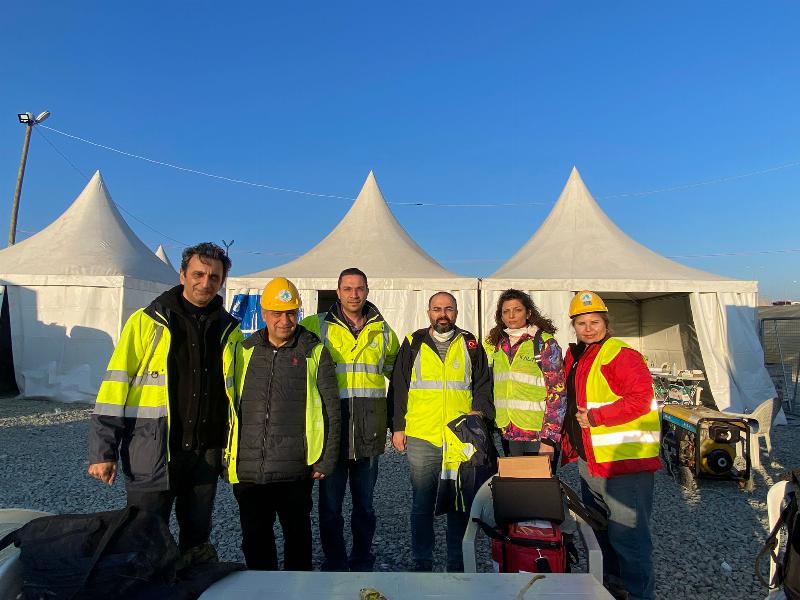
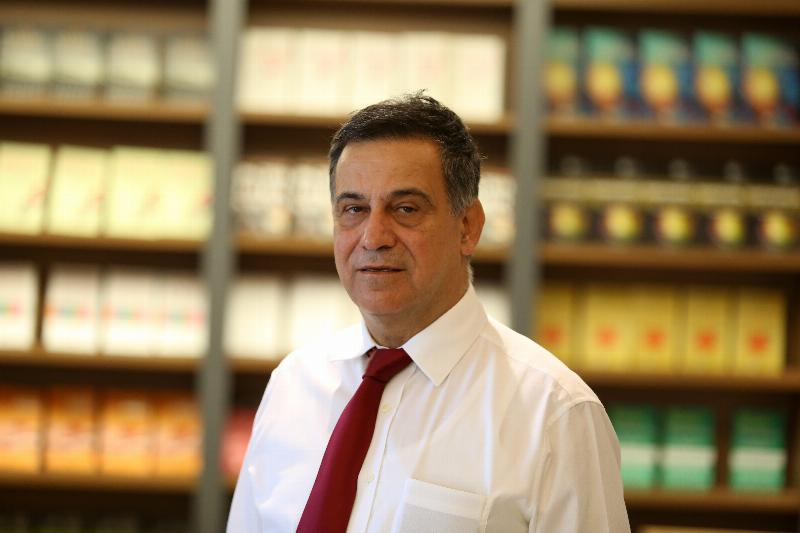
Dr. Rüştü Uçan, Head of Üsküdar University Faculty of Health Sciences, Department of Occupational Health and Safety, stated that earthquake museums, especially those in Japan, could be implemented in our country to contribute to raising awareness about earthquakes and fostering social memory.
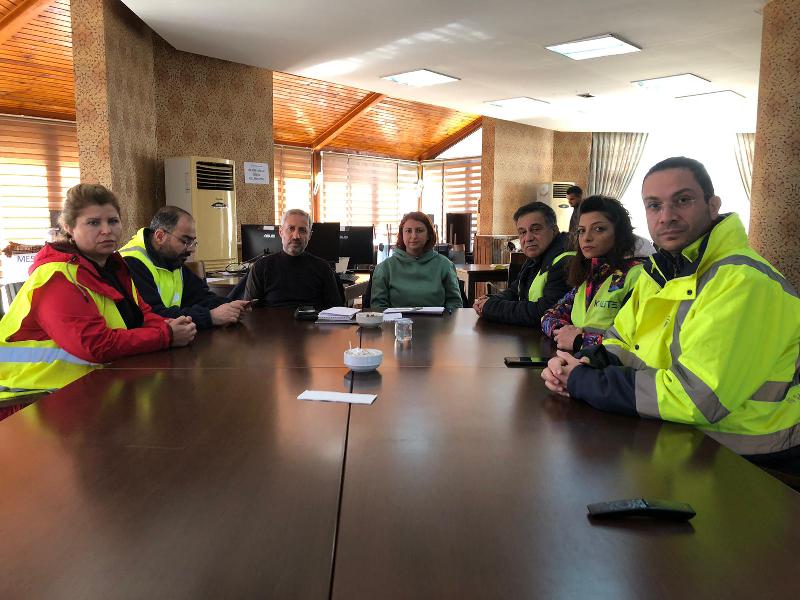
Dr. Rüştü Uçan: “Kobe Earthquake Memorial Museum carries the traces of the disaster to the present day”
Dr. Rüştü Uçan noted that the Kobe Earthquake Memorial Museum, located in Kobe, Japan, opened in 2002 and recounts the 1995 Kobe Earthquake, stating, “The Kobe Earthquake Memorial Museum is dedicated to the events and lives lost during the Great Hanshin Awaji Earthquake, a magnitude 7.2 earthquake that occurred on January 15, 1995, at 05:46 AM. More than 6,000 people died in the disaster, particularly in Kobe, the city closest to the epicenter just north of Awaji Island. The Great Hanshin Awaji Earthquake was the worst earthquake disaster to hit Japan since the Great Kanto Earthquake of 1923. More than 400,000 buildings were damaged, and a number of railway bridges and elevated highways collapsed.”
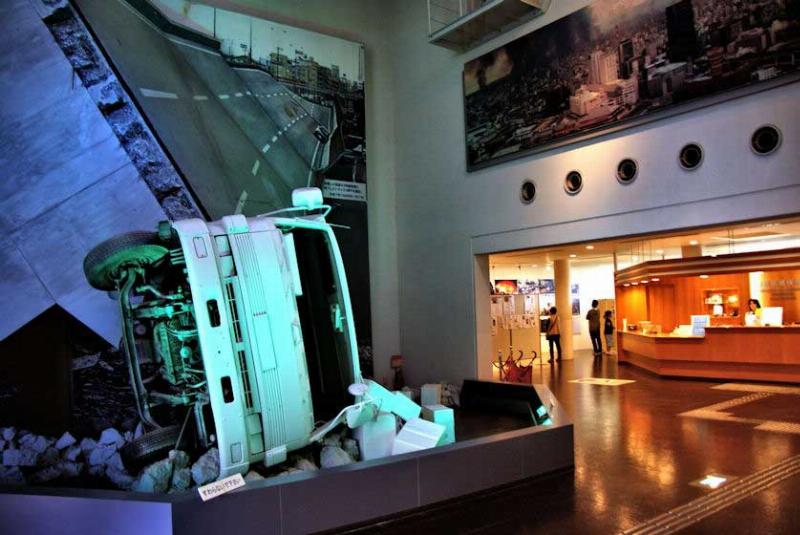
The destruction and sounds of the earthquake are told through video
Dr. Rüştü Uçan noted that at the Kobe Earthquake Memorial Museum, visitors are shown a 7-minute video in the 1:17 Theater, which recreates the sounds and images of the earthquake's destruction. He said, “After the video, visitors pass through a corridor where reconstructions further illustrate the damage to buildings and physical structures. Another 15-minute video, ‘Living with This City,’ tells the story of what happened after the earthquake and the relief efforts made to provide shelter, electricity, water, and food to the people of Kobe.”
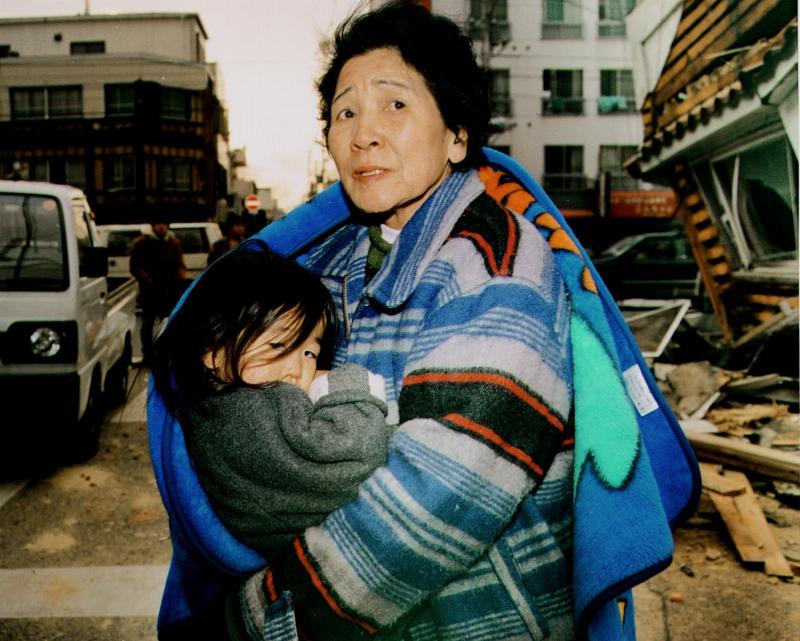
Items, memories are displayed
Dr. Rüştü Uçan stated that on the third floor of the museum, there is a wall panel featuring testimonies from survivors, especially young children who experienced the event, and added, “There are a series of dioramas and hands-on, interactive exhibits, including videos of survivors sharing their own experiences, to inform and educate visitors about the event. Some items recovered from the earthquake are also on display. The exhibits on the second floor are primarily aimed at school groups but also attract individual visitors. While the second floor houses exhibits and workshops on disaster management, the third floor of the East building deals with the threat of wind and water disasters and their mitigation. The East building also shows a documentary about the Kobe Earthquake twice an hour. This building also features the museum's shop and restaurant.”
Dr. Rüştü Uçan: “Earthquake museums can keep social memory alive”
Dr. Rüştü Uçan, stating that a similar museum should be established in the 11 provinces affected by the Kahramanmaraş earthquakes, said, “Just like with the Kobe earthquake, earthquake museums should be established in these cities in our country. This is especially necessary for raising awareness and creating consciousness about earthquakes, and for keeping social memory alive. Many objects, such as photographs, baby and children's items, and household goods to be recovered from the rubble, should be collected and later evaluated for the museum. If not collected now, these materials will be lost. Experts in this field must urgently collect samples from the field. During our study conducted last week within the scope of TÜBİTAK 1002-c, I saw many albums of this kind on the ground. If these are not collected these days, it will not be possible to access them in the future. Similarly, a ruined structure and a reminder structure encompassing memories could be left as an example in villages.”
Lecturer Dilek Aker: “There was also the rubble of unfinished memories…”
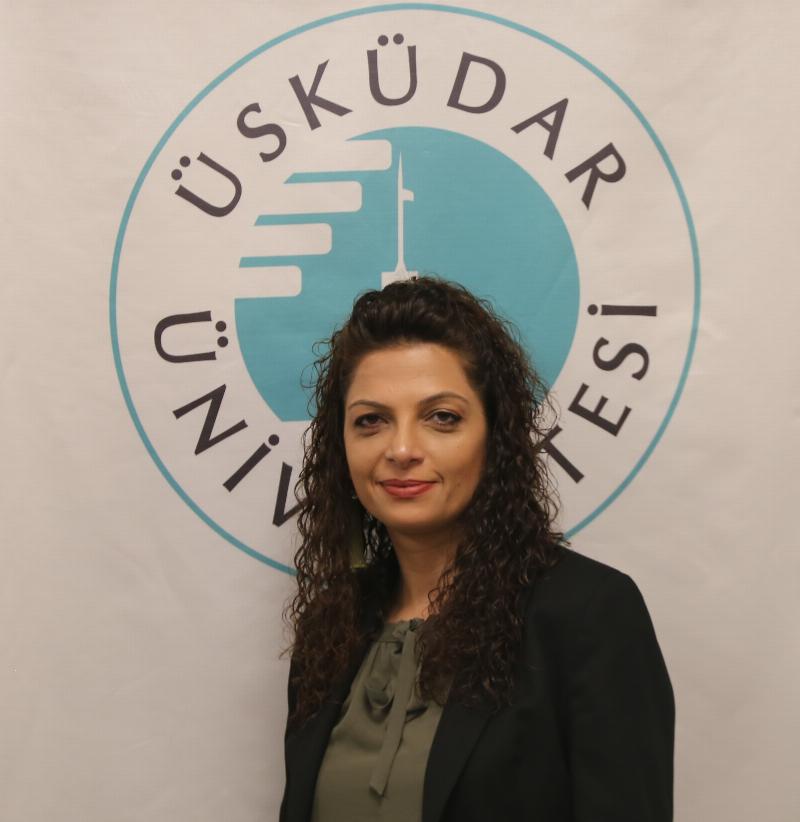
Lecturer Dilek Aker from Üsküdar University Vocational School of Health Services (SHMYO) Nuclear Technology and Radiation Safety program shared her observations. Aker stated that not only belongings but also traces of unfinished lives were found under the rubble, saying, “In the center of Hatay, almost no solid house remained. All were either burst with large cracks from the sides or completely collapsed. There was a ruined and desolate city, as we saw on television. The city was abandoned, there was rubble everywhere, and dust clouds dominated the city's sky. Machines were working everywhere to extract lifeless bodies or valuables. But sometimes things would emerge from that rubble, flying and falling before us. Photo albums, diplomas, wedding invitations whose day had not yet come, textbook pages of a medical student, the certificate of a young person who won university admission, baby bottles, teddy bears… That's when we looked at those heaps of rubble again; it wasn't just concrete debris, iron, belongings, couches, there was also the rubble of unfinished memories.”
Bengisu Altınten: “An earthquake museum could be wonderful”
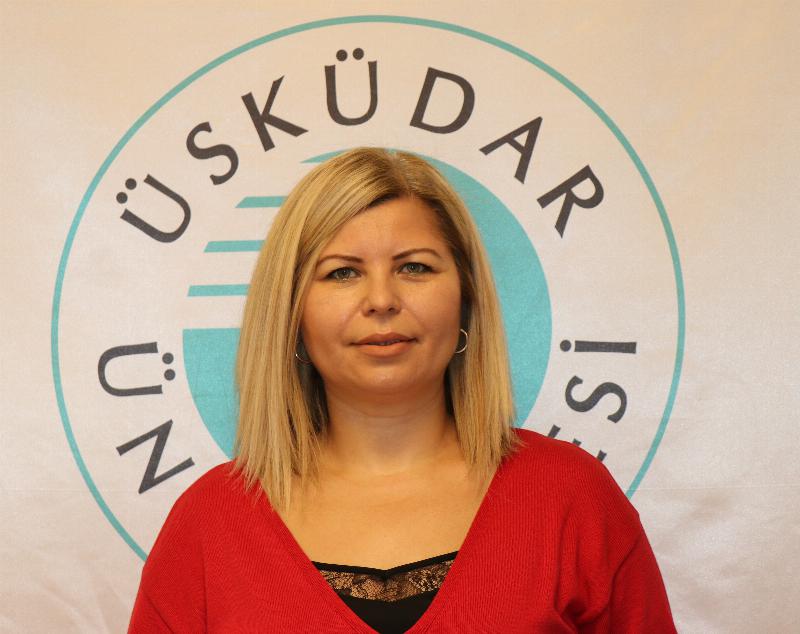
Bengisu Altınten from Üsküdar University Continuous Education Application and Research Center, who was part of the field team, highlighted the importance of implementing the idea of an earthquake museum, stating, “The memories of families buried under the collapsed buildings during the earthquake, the destruction of historical buildings, and our inability to visit them anymore are deeply saddening. The local people, who sustained the cultural fabric integrated with our cities, abandoning the city… How can we preserve the essence of a city whose cultural heritage and historical texture have been razed to the ground! Perhaps the master who used to make those beautiful künefes is no longer alive; as a citizen, I believe there should be a museum to reflect these things.”
Research Assistant Tuğçe Oral: “An earthquake museum will also mean owning up to the pain”
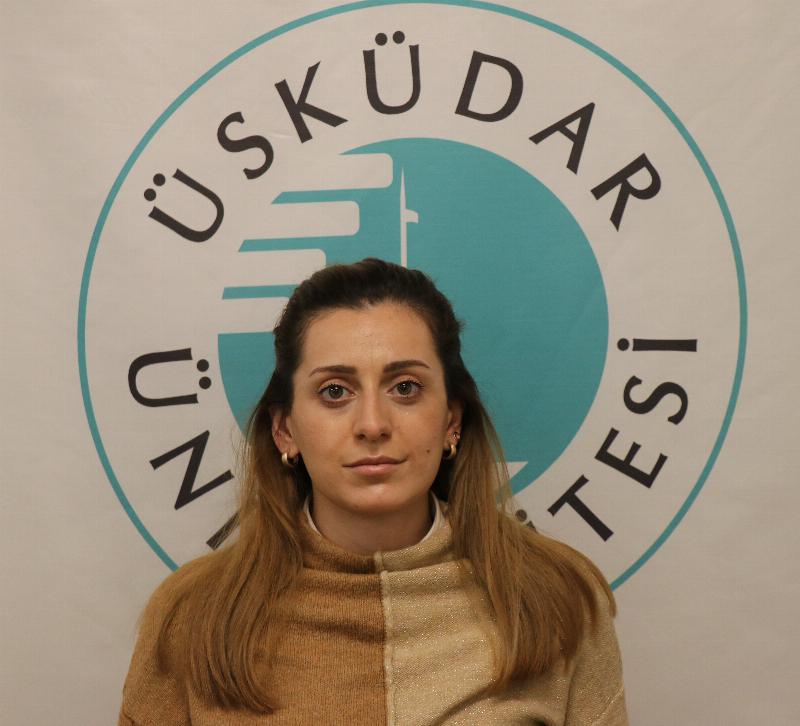
Research Assistant Tuğçe Oral from Üsküdar University Faculty of Health Sciences, Department of Occupational Health and Safety, stated that Monday, February 6, 2023, the day the Kahramanmaraş earthquakes occurred, will be an unforgettable day, saying, “For Turkey, it was a day when breaths were held for our siblings under the rubble to survive, when hopes blossomed in seconds, and at the same time, shattered dreams fell like embers, a day whose traces will not be erased even after years. Although what happened was a natural disaster, its consequences were anything but natural. If the experiences are etched into minds as a lesson to shield future lives and raise awareness, it will always retain its meaning and freshness. Especially for the relatives of earthquake victims who are experiencing the deep sorrow of losing their loved ones in the places where they came to life; when they witness that their pain is respected and their memories are preserved, it will remain in their hearts like a red carnation of the past. Therefore, a Kahramanmaraş earthquake museum or monument will mean not just preserving natural disaster awareness, but also owning up to the pain of the people who witnessed it.”
Share
Update Date: March 01, 2026
Creation Date: March 03, 2023
Request a Call
Other News
- The book that read today's digital threats in 2014: Being a Conscious Family
- Experts warn: 'Instead of memorizing letters, teach pencil grip, scissor use, and coloring'
- School fear and school love both start in the family!
- Family is not merely transforming, it is being battered under a serious assault
- Artificial intelligence opens the door to early diagnosis in autism!