

At the panel titled “Situation Assessment, Health and Safety Measures in Disaster Days,” organized by Üsküdar University, experts from different disciplines, evaluating the Kahramanmaraş earthquake, drew attention to the measures that should be taken in possible earthquakes and disasters. Prof. Dr. Nurper Ülküer, emphasizing the great importance of ensuring children's safety and security during the acute phase, pointed to claims of missing children from the earthquake zone and said, “Children must be ensured to stay and reunite with their families or relatives during this period. Keeping records of children is very important. An estimated 5.5 million children were affected by the earthquake. It is necessary to ensure that no child goes missing.” Prof. Dr. Nevzat Tarhan, stating that what remained under the rubble in the earthquake disaster was social morality, said, “Buildings constructed by moral people in earthquake zones are still standing. Buildings constructed by moral people without deceit, in accordance with scientific rules, did not collapse. Buildings constructed without adhering to engineering rules collapsed. The reason for this, in my opinion, is social morality.”
Content
5.5 Million Children Affected by Kahramanmaraş Earthquake!
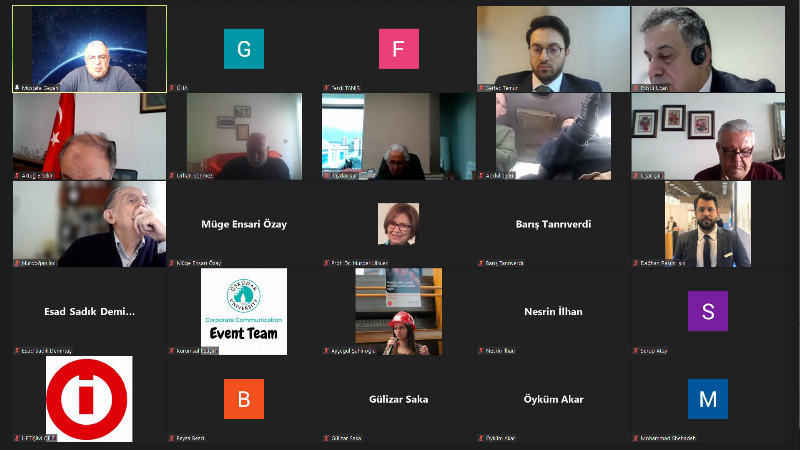
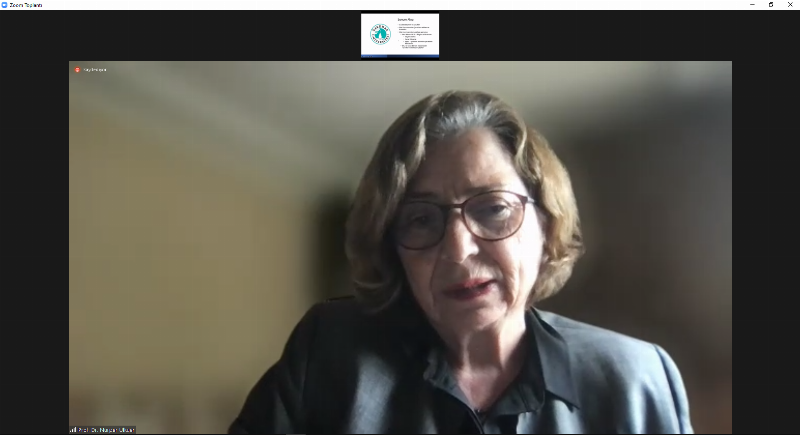
Prof. Dr. Nurper Ülküer: “It is very important to keep records of children in the disaster area”
At the online panel titled “Situation Assessment, Health and Safety Measures in Disaster Days,” organized by Üsküdar University Occupational Safety, Health and Environmental Health Application and Research Center (ÜSGÜMER), lessons to be learned from the Kahramanmaraş earthquake and measures to be taken for preparation for possible earthquakes and disasters were discussed. Scientists from different disciplines participated in the panel.
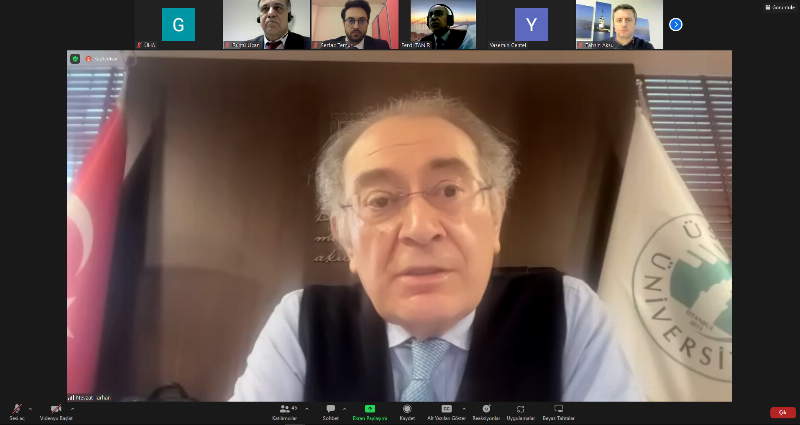
Prof. Dr. Nevzat Tarhan: “Proper empathy should be established with those who experienced the earthquake”
Prof. Dr. Nevzat Tarhan, Founding Rector of Üsküdar University and Chairman of the Board of Trustees, stated in the opening speech of the panel that we are experiencing one of the biggest earthquake disasters among natural disasters in the history of the world, saying, “We experienced a fault rupture with a length of 500 kilometers, a very high affected area, and devastating impact. This is more of a catastrophe than a natural disaster. In such a situation, there are important lessons to be learned by those dealing with human health, experts in occupational health and safety, and geoscientists. As psychology experts, we call these lessons to be learned ‘Developmental Trauma.’ Great suffering was experienced. The pains experienced in the earthquake zones in the past 10 days created a secondary trauma for us. The test for people who experienced the earthquake is to overcome this period by acting correctly, developing resilience, and without rebelling in such situations. We are not directly disadvantaged, but it is our duty to be able to help them, meet their needs, and consider how we can utilize this event for the benefit of society and people by approaching it with proper empathy. If we can do this, Turkey will emerge stronger from this situation.”
Prof. Dr. Nevzat Tarhan: “Humanity's greatest strength is compassion and goodness”
Prof. Dr. Nevzat Tarhan reminded that trucks heading to the earthquake zones blocked the roads, stating, “Aid was delivered to the earthquake zones not only from Turkey but from almost all over the world. There is great support and understanding from everywhere, from Yakutia to Mexico, from Central Asian countries to Israel. The displayed acts of goodness and help came to the forefront. When examined in terms of political psychology, the focus is always on dominance, being strong and wealthy. We see that compassion and goodness are actually greater than physical strength and are the greatest power humanity possesses. We hope that steps will be taken to strengthen feelings of compassion and goodness for the advancement of humanity, and as a result, the world will become a more livable place.”
Prof. Dr. Nevzat Tarhan: “Our social morality and education system remained under the rubble”
Prof. Dr. Nevzat Tarhan stated that what remained under the rubble along with the earthquake was social morality, saying, “Buildings constructed by moral people in earthquake zones are still standing. Buildings constructed by moral people without deceit, in accordance with scientific rules, did not collapse. We can see that buildings constructed properly, including TOKİ buildings, did not collapse. Buildings constructed without adhering to engineering rules collapsed. The reason for this, in my opinion, is social morality.” He added, “Turkey's education system also remained under the rubble. Turkey's education system does not provide character education and good human being upbringing. Since good human being upbringing education is not provided, many good habits acquired from the family and in childhood also change during school life. This change needs to be discussed.”
Prof. Dr. Nevzat Tarhan: “Our ethical values also remained under the rubble”
Prof. Dr. Nevzat Tarhan, drawing attention to the questions we need to ask ourselves as a country, said, “Why do Japanese people act morally in accordance with their values, and we cannot? We need to ask this question. Do educated people and engineers trained in our country sign off on wrong projects? Why do building inspectors approve them? These are also important issues that need to be discussed. Behind this are entirely ethical values. Our ethical values also remained under the rubble. We need to teach these ethical values more in our schools. If we do not teach our ethical values in our schools, newly trained engineers will be smart and hardworking, but they will be self-serving, selfish, and malicious. For this not to happen, our education system needs reform. Our education system needs to build goals such as being honest, moral, and of good character, instead of being smart, hardworking, and wealthy. If we do not do this, we will be talking about the same things again when another major earthquake disaster occurs in 20-30 years.”
Prof. Dr. Nevzat Tarhan: “We need to sacralize ethical values”
Prof. Dr. Nevzat Tarhan reminded that Japan experienced a major earthquake in 1933, saying, “With the lessons they learned from that earthquake, they adhere to the rules of science even if they build tall buildings. They have sanctified this to a sacred degree. Japanese and Germans have sacralized ethical values. So why don't we sacralize ethical rules and make them unquestionable? In our country, it is certainly thought that people have a price at which they can be bought. Therefore, these issues must be discussed.”
Prof. Dr. Nevzat Tarhan: “Provinces should be twinned with each other”
Emphasizing that cities should be twinned with each other, Prof. Dr. Nevzat Tarhan concluded his words as follows: “AFAD volunteers in Adıyaman and Kahramanmaraş also remained under the rubble. If Kahramanmaraş and Manisa, Adıyaman and Uşak, and Hatay with İzmir or Aydın were twinned as buddies, people from one region would immediately reach the other when an earthquake occurred. Everywhere in Turkey can be reached within 12 hours. For example, Ordu Municipality immediately delivered hot food to Adıyaman on the same day. This means it is possible to reach. When an earthquake occurred in İzmir, surrounding provinces immediately came to help. However, our disaster response system was not ready for such a large earthquake. The results show that. We need to self-criticize and say that we are ready for smaller ones but not for larger ones. 10 days have passed, we weren't discussing these during the shock period, but we can start now. We can say that the conference we organized under the title ‘Situation Assessment, Health and Safety Measures in Disaster Days’ is the right place for these discussions. It is beneficial to conduct evidence-based questioning.”
Prof. Dr. Nurper Ülküer: “An estimated 5.5 million children were affected by the Kahramanmaraş earthquake”
Prof. Dr. Nurper Ülküer, Head of the Child Development Department at Üsküdar University Faculty of Health Sciences, stated in her speech titled “Children in Crisis Moments and Priority and Medium-Level Measures to be Taken” that 14 million people in 10 provinces were affected by the two severe major earthquakes that occurred in Kahramanmaraş on February 6, 2023. Prof. Dr. Nurper Ülküer noted that in the disaster, which resulted in over 30,000 deaths and over 80,000 injured, 2.5 million children under the age of 8 and an estimated 3 million children between the ages of 8 and 17 were affected. She added that during the acute period of disasters, defined as 15 to 25 days, survival, rescue, staying healthy, nutrition, and shelter needs must be met.
Prof. Dr. Nurper Ülküer: “It is very important to keep records of children”
Prof. Dr. Nurper Ülküer, underlining the great importance of ensuring children's safety and security during the acute period, stated that there are many reports of missing children from the earthquake zone, saying, “Missing children are among the most important problems. There is information that many missing children have been found. Children must be ensured to stay and reunite with their families or relatives during this period. Keeping records of children is very important. It is necessary to ensure that no child goes missing.” Prof. Dr. Nurper Ülküer stated that children may experience physical and psychological traumas in disaster situations like earthquakes, mentioning that they may experience events such as the loss, injury, or illness of primary caregivers, or being exposed to violence and abduction. Prof. Dr. Nurper Ülküer, stating that toxic stress caused by psychological traumas negatively affects brain development, emphasized the importance of parental or caregiver support especially during this period, saying that this relationship will prevent toxic stress. Prof. Dr. Nurper Ülküer also gave advice, emphasizing that parents and caregivers in disaster areas should not project their anxieties onto children.
Prof. Dr. Haydar Sur: “Field toilets should be set up instead of portable toilets”
Prof. Dr. Haydar Sur, Dean of Üsküdar University Faculty of Medicine, in his speech titled “Health Management Practices in Disaster Situations,” touched upon the measures that should be taken especially in the field of public health before and after an earthquake. Prof. Dr. Haydar Sur, emphasizing the importance of managing extraordinary situations from a public health perspective, said, “Meeting medical needs, protecting and supporting public health are crucial. The safety of lives and property of health personnel, as well as patients and the injured, must be ensured.” He stated that as a public health expert, he always emphasized the need to build field toilets in the earthquake zone, adding that the use of portable toilets could especially increase the risk of infectious diseases. Prof. Dr. Haydar Sur said, “Portable toilet cabins can invite very significant hygiene problems. Ensuring their regular cleaning is very difficult. Field toilets, prepared by digging 70-80 meters deep, are healthier than portable toilet cabins. When the function of each of these is completed, it can be covered with soil, and a new one can be opened.”
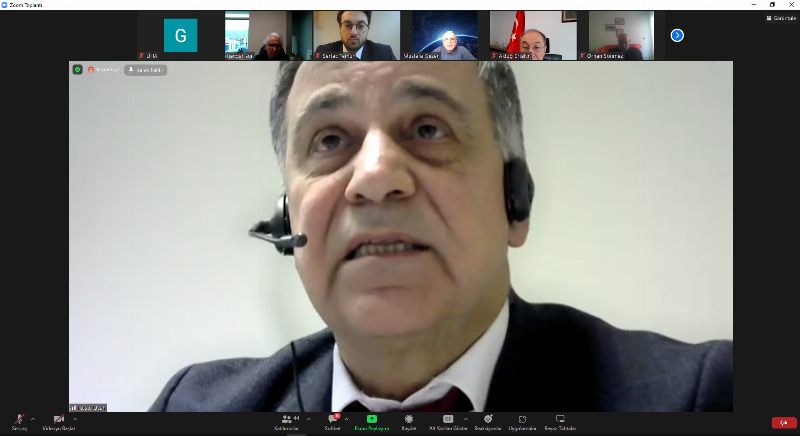
Dr. Rüştü Uçan pointed to the causes of the disaster
Dr. Rüştü Uçan, Head of the Occupational Health and Safety Department at Üsküdar University Faculty of Health Sciences, who also moderated the panel, addressed the reasons for the widespread consequences of the Kahramanmaraş earthquakes in his speech titled “The Importance of Family Emergency Plan and Earthquake Bag.” Dr. Rüştü Uçan said, “Plots without zoning, driven by excessive profit motives, were acquired from their original owners at very low prices. Multi-story zoning was then issued for these plots, typically located in riverbeds, through zoning changes. The inspection authority of engineering chambers was removed. No independent inspection body was put in its place.” Dr. Rüştü Uçan noted that all these shortcomings should be reviewed, emphasized that a family disaster response plan must be prepared with the participation of all family members before an earthquake, that an earthquake bag should be kept separately in every location, and that cell phones should be kept within reach at night.
Assoc. Prof. Dr. Müge Ensari Özay from Üsküdar University Faculty of Health Sciences, Department of Occupational Health and Safety, in her speech titled “Coordination in Disasters,” addressed the coordination problems that emerged during the Kahramanmaraş earthquakes and drew attention to the measures that should be taken.
Prof. Dr. Ferdi Tanır from Çukurova University Faculty of Medicine, Department of Public Health, in his speech “Public Health Approach in Earthquakes,” stated that many studies, from planning temporary shelters before an earthquake to preparations to be made within the family, should be carried out. Prof. Dr. Ferdi Tanır said, “Necessary studies should be conducted on at-risk groups, shelter areas and social support, access to healthy and safe water, and food health and safety in disasters.”
İlker Gönültaş: “Amateur radio training should be provided”
İlker Gönültaş from Tango Alfa Radio Amateurs Association, in his speech titled “Amateur Radio Applications in Earthquakes and the Contribution of Universities,” pointed out the importance of communication after disasters, especially earthquakes, and stated that the number of amateur radio operators should be increased, suggesting cooperation with universities on this matter.
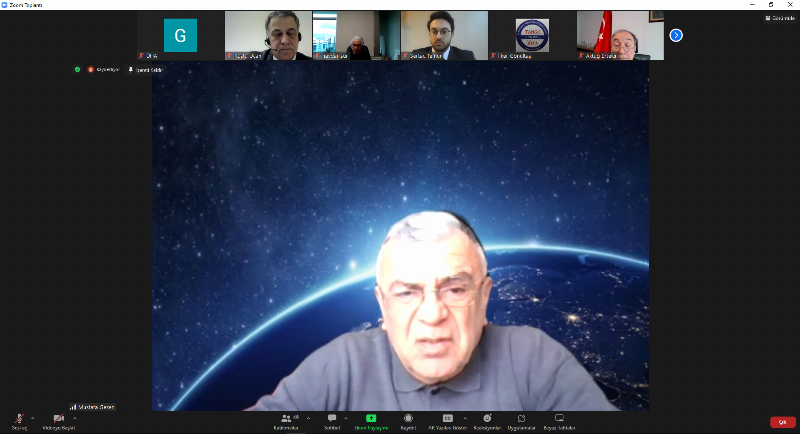
Mustafa Cüneyt Gezen: “Masks must be used during rubble removal operations”
Mustafa Cüneyt Gezen from Üsküdar University Faculty of Health Sciences, Department of Occupational Health and Safety, in his speech titled “Hazards and Risks Emanating from Rubble,” emphasized that masks must be used, especially during operations in rubble. Gezen stated that rubble can have negative effects on air, water, and food quality, and warned, “Asbestos and talc found in cement used in construction, and the radon gas that emerges, can cause significant health problems in the lungs.”
Share
Request a Call
Other News
- The book that read today's digital threats in 2014: Being a Conscious Family
- Experts warn: 'Instead of memorizing letters, teach pencil grip, scissor use, and coloring'
- School fear and school love both start in the family!
- Family is not merely transforming, it is being battered under a serious assault
- Artificial intelligence opens the door to early diagnosis in autism!