

The third "Journey to the Roots" project, executed by the Germany Interkulturelles Forum Association and organized in cooperation with the Kerim Foundation, was held in the cities of Kardzhali, Plovdiv, and Sofia, Bulgaria, between April 16-18, 2022. Assistant Professor Dr. Arzu Eylül Yalçınkaya from Üsküdar Üniversitesi Institute of Sufi Studies was invited as an instructor and represented Üsküdar Üniversitesi in the project, which was supported by the Presidency for Turks Abroad and Related Communities (YTB).
Content
The third "Journey to the Roots" project has been realized
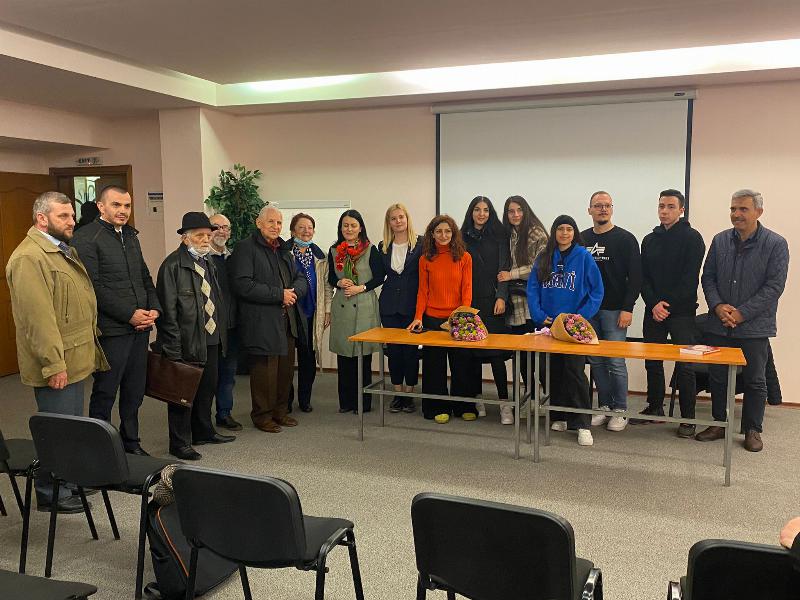
Each year, the project enables Turkish university students living in Germany to connect with their historical and cultural roots. This year, within the scope of the activities, they had the opportunity to discover the Turkish-Islamic and Ottoman cultural heritage in the Balkans.
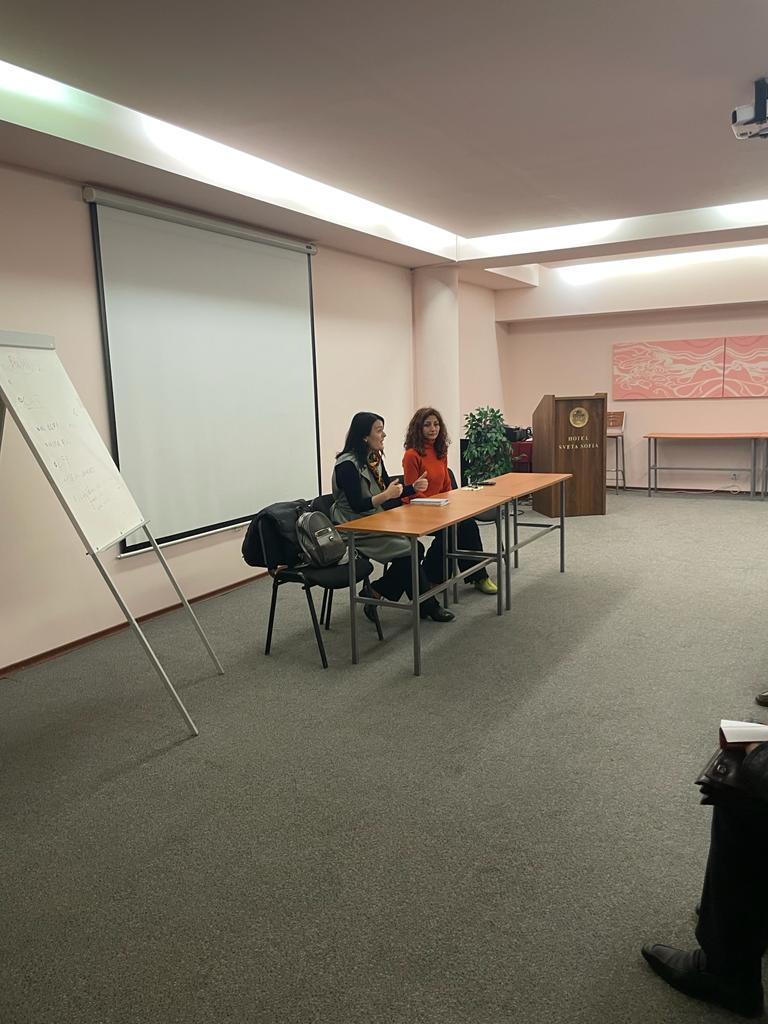
Within the scope of the project, Assistant Professor Dr. Arzu Eylül Yalçınkaya gave a seminar titled “Ramadan and Fasting” at the Cuma Mosque. Yalçınkaya answered the questions of the participants.
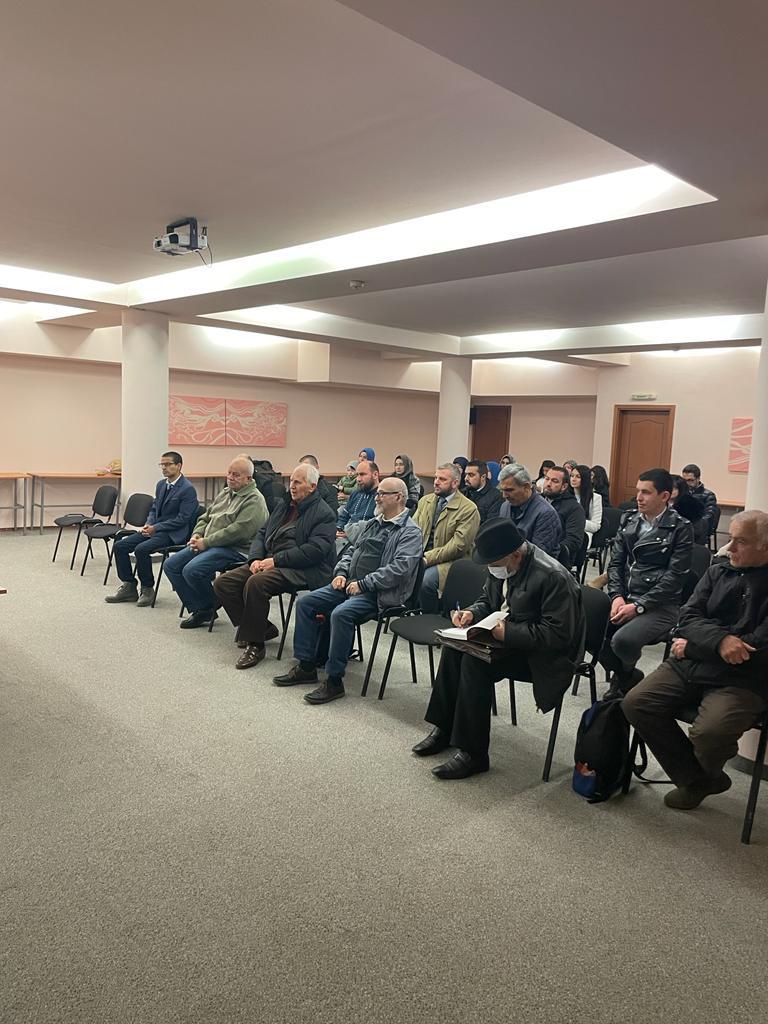
Tracing the footsteps of Turkish history with the journey to the roots…
In her assessment, Yalçınkaya stated; “As is known, the region was under the administration of the Ottoman Empire for six hundred years until the Balkan Wars in the 20th century, and during this period, many mosques, madrasahs, dervish lodges, and külliyes were built in important cultural cities such as Plovdiv, Kardzhali, and Sofia. During their visits within the scope of the 'Journey to the Roots' project, participants had the opportunity to trace the footsteps of Turkish history reflected in these architectural elements in the region, while also meeting and mingling with the Turkish communities in the area.”
The activities began on April 14, with a group of 15 students led by Güldeniz Willer from Interkulturelles Association arriving in Istanbul from Germany and visiting various cultural centers in Istanbul. After a student group from Istanbul joined, they departed for Kardzhali. In Kardzhali, after visiting the Kardzhali New Mosque with Regional Mufti Basri Eminefendi, the project group gathered with the local community for an iftar dinner attended by 150 people. In Plovdiv, after visiting the Yeşilay Association and the Plovdiv Muslim Cemetery with Ahmet Pehlivan, President of the Board of the Muslim Religious Affairs, an iftar program was held at Imaret Mosque with the participation of the people of Plovdiv and youth from surrounding villages, followed by a tea and conversation gathering at the historical Cuma Mosque after the iftar.
The Plovdiv program concluded with the Edirne Symphony Orchestra's “Symphonic Hymns” concert and an iftar dinner organized by Bursa Orhangazi Municipality at the Plovdiv Imaret Mosque.
As part of the program's visit to Sofia, a historical city tour and a visit to Banya Bashi Mosque, the only mosque open for worship, were carried out. Here, a seminar titled “Prophet Stories in the Quran” was delivered by Hilmiye İnce, President of the Cultural Interaction Association, and Dr. Arzu Eylül Yalçınkaya.
The activities concluded with a visit to the Bali Efendi Tomb guided by Sofia Regional Mufti Beyhan Mehmet, and an interview with Şevket Feyzullah and Sabri Alagöz, members of the last generation of Bulgarian Turks.
Dr. Arzu Eylül Yalçınkaya stated, “The students in the project group, apart from two students who joined the team from Istanbul, are Turkish youth from various universities in Germany. Here, together, we tried to trace the footsteps left behind in our cultural geography. Due to the political policies of recent history, many mosques and important works were destroyed; those that have survived to this day are supported by the Republic of Turkey as cultural heritage through various channels. Throughout the trip, the participants interacted and engaged with regional officials and the local populace. In the lessons and seminars we conducted here, we explained that the lands we were on hosted important schools during the Ottoman period, were rich cultural centers, and that many important figures whose influences continue today were born and raised as Ottoman subjects in these lands. This atmosphere made the youth feel that they should not only visit the traces of the past as if touring a museum, but also strive to keep alive the values that this geography embraces and preserves within itself.'"
Share
Update Date: February 28, 2026
Creation Date: April 28, 2022
Request a Call
Other News
- The book that read today's digital threats in 2014: Being a Conscious Family
- Experts warn: 'Instead of memorizing letters, teach pencil grip, scissor use, and coloring'
- School fear and school love both start in the family!
- Family is not merely transforming, it is being battered under a serious assault
- Artificial intelligence opens the door to early diagnosis in autism!