

The first day of the two-day congress saw the participation of Head of Bioinformatics and Genetics Department at İstinye University, Dr. Aslı Kutlu; Üsküdar University TRGENMER (Transgenic Cell Technologies and Epigenetics Application and Research Center) Research Assistant Enes Bal; Istanbul University, Department of Molecular Biology and Genetics Faculty Member Prof. Dr. Tuba Günel; Koç University, Department of Molecular Biology and Genetics Dr. Hasan Demirci; and İstinye University Dr. Didem Karakaş Zeybek as speakers. The opening speech of the congress, which garnered significant interest, was delivered by Üsküdar University Vice Rector Prof. Dr. Muhsin Konuk.
Content
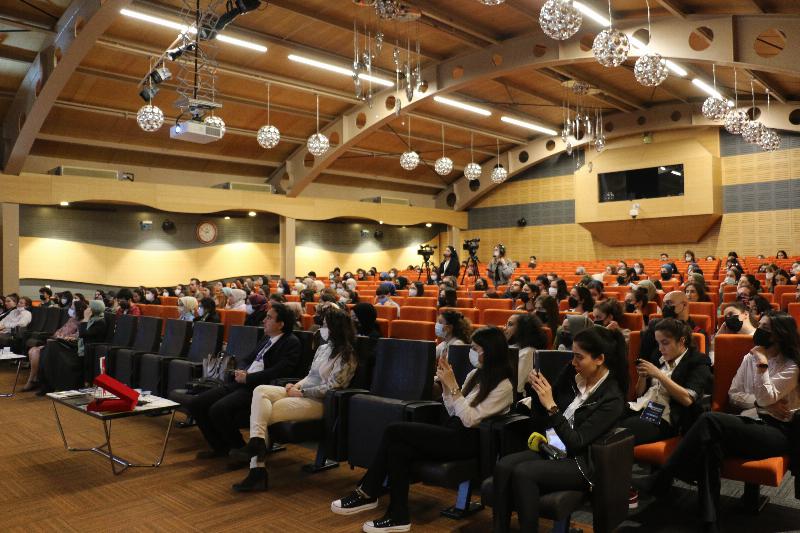
II. MBG Days Congress Held with the Participation of Experts in the Field
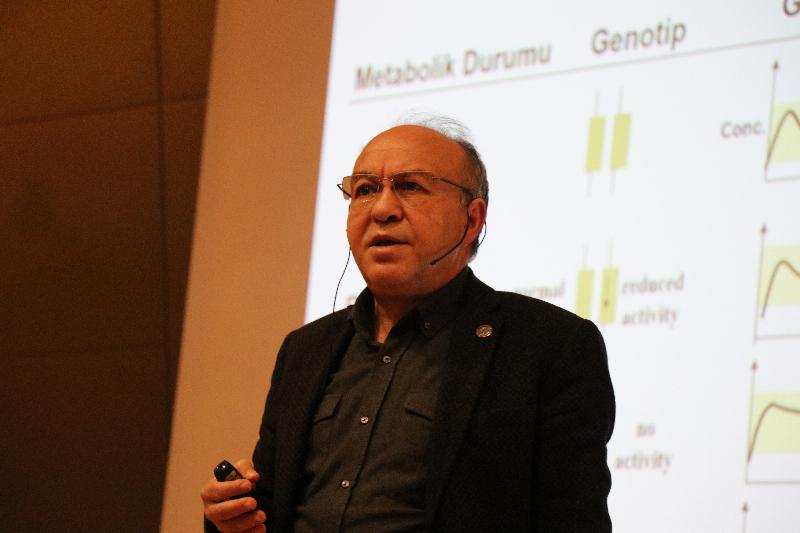
Prof. Dr. Muhsin Konuk; "As long as there are people dedicated to this profession and oriented towards this field, this country will never fall"
Prof. Dr. Muhsin Konuk, addressing the impact of current technologies on science, said: "As I always say, we are now living in the age of information. We are also having difficulty with how and where to access this information, and which one to use. We couldn't find this information, that was our struggle, and now you are drowning in a sea of information. But no matter what, what I want to say is that your profession is always open to development. If information doubles every 2 years, it doesn't mean your knowledge from 2 years ago is gone. But it might be outdated. Therefore, when we were students, we only learned about 3 types of RNA. We didn't know any other RNA. The same applied to DNA. In fact, when we drew chromosome shapes, we used to draw a protein sheath around them. We showed the chromatin materials inside as lines. And there were beads. We didn't even really know what those beads were. But according to our knowledge at that time, the DNA molecule was surrounded by a protein sheath. We could say that this forms the chromosome. When we learned them, only this information existed. But is it like that now? No. Forget our 3 types of RNA molecules; today, disease diagnosis is made by typing RNA molecule types. Isn't that right? By micro RNA typing, you can easily tell what type of disease people have, even without the need for a biopsy. That's why, as long as there are people dedicated to this profession and oriented towards this field as much as you are, this country will never fall."
Prof. Dr. Muhsin Konuk; "Pharmacogenetics essentially involves individualized treatment"
Prof. Dr. Muhsin Konuk, drawing attention to the studies in the field of pharmacogenetics and their current effects, said: "When the Human Genome Project began, very different meanings were attributed to this genome project. Inferences were made, saying 'this will happen, that will happen.' In fact, the first thing estimated was the gene quantity in E. Coli DNA's length compared to the gene quantity in human DNA's length. Introns were discovered for the first time in 1977. But people didn't know much about them. Therefore, it was estimated that our entire DNA was arranged with genes like Prokaryotic DNA, without any gaps, and consequently, we were expected to have two and a half million genes. As announced in 2003, it dropped to 22,000. Now, I want you to keep in mind that translational science, which is essentially the field of study we call Pharmacogenetics, is fundamentally the application of data obtained from the genome project in different ways in the health sector. Indeed, translational science can also be expressed as the application of information obtained from a basic unit in other fields. As you can see here, translational science can be named as medicine or translational medicine. However, the main expression is 'bench to bed,' meaning the application of data obtained in your laboratory to bedridden patients, bringing them some benefits. This field of science, which we call Pharmacogenetics or Pharmacogenomics, can also be considered a new discipline falling within the scope of these areas. It also has different names. For example, it is also called precision medicine, meaning perfect medicine. However, fields such as biological engineering, computational and mathematical biology, systems biology, etc., can be expressed as scientific fields that later emerged as translational science. Therefore, Pharmacogenetics essentially involves individualized treatment."
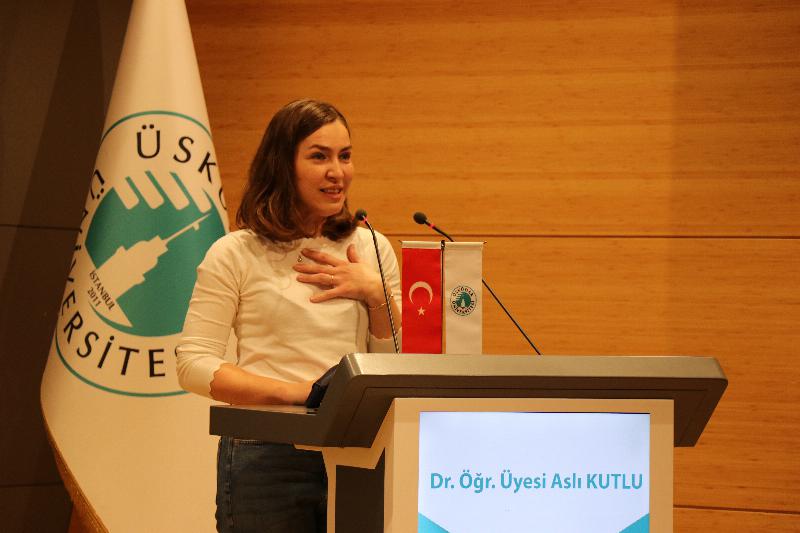
Dr. Aslı Kutlu; "Rett Syndrome is also a neuropathic rare disease"
Dr. Aslı Kutlu, who presented on the topic 'Elucidating the Mechanisms of Action of Rare Diseases with Computer-Based Methods: A Brief Look at Rett Syndrome,' provided information on observed rare diseases. Dr. Kutlu said: "What are we talking about when we say rare diseases? Rare diseases are inherited conditions that are seen much less frequently in humans compared to the population, with low prevalence. So far, there are more than 8,000 rare diseases in the literature, and 80% of them are known to be genetically transmitted. Generally, children make up 50% of individuals with rare diseases. These are individuals under the age of 5, and unfortunately, in people under 5, rare diseases result in either functional losses or vital losses, meaning deaths. However, a very limited number can live beyond the age of 5, continuing their lives with different, challenging, and physical disabilities. Rett Syndrome is also a neuropathic rare disease. It has a rare prevalence, seen in one out of 30,000 people. Studies on Rett Syndrome involve examining the effects of variants on an important gene, MECP2 (methyl-CpG binding protein 2), on the pathogenic structure of the disease in molecular partial patients."
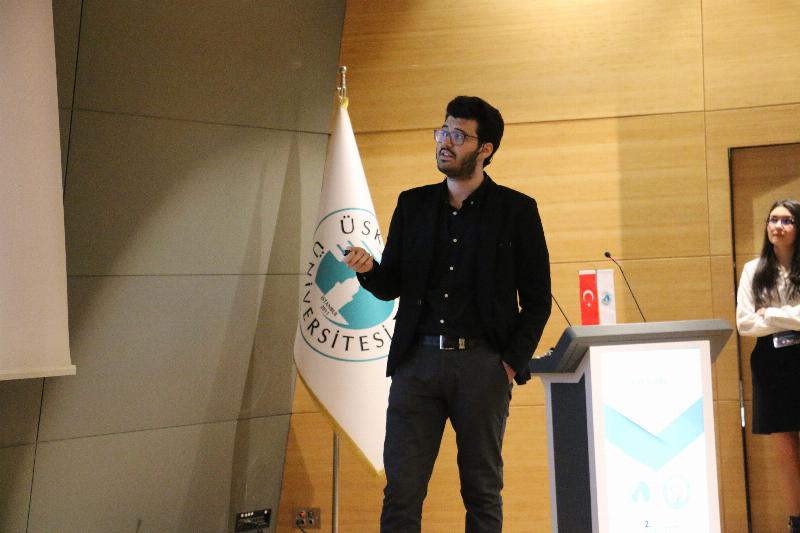
Enes Bal; "Approximately 50% of patients are children"
Enes Bal, providing information about the needs of individuals with rare diseases, stated: "We are conducting studies in the field of rare diseases, including SMA and the target diseases I have shown. So, when we say rare disease, what is its definition? How can we form a general definition and grasp it? The most common explanation for what rare diseases are is that they are a group of diseases seen in 2,000 or fewer people in the population, which have progressive metabolic, chronic, and fatal types after onset. Nearly 80% of them are genetically based, and approximately 50% of patients are children. Unfortunately, because of this, 30% of the population loses their lives before reaching the age of 5. Most of the time, when you have the disease, you need special food supplements, special medical drugs, and genetic therapies (patient-specific genetic therapies). Your need for special foods and medical devices also increases with raw materials. Of course, apart from these, rare diseases are a group of diseases with very severe processes and outcomes for both the patient and their family, as well as for society."
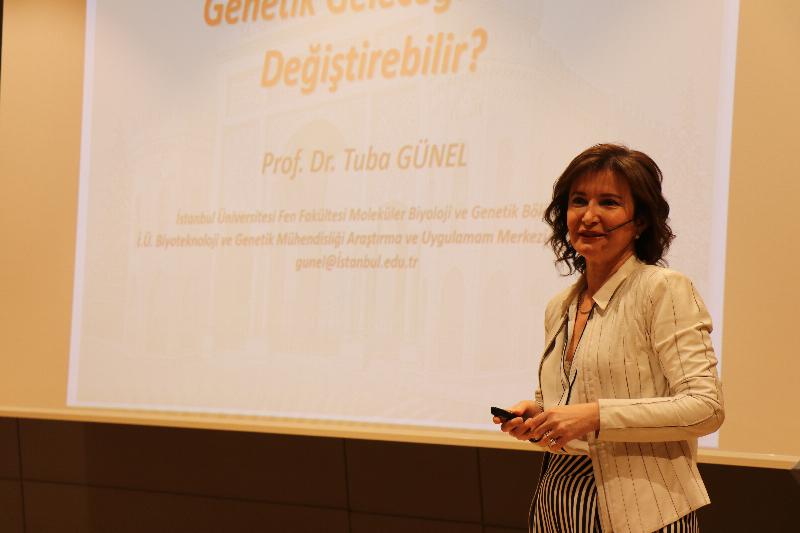
Prof. Dr. Tuba Günel; "We have witnessed history with you"
Prof. Dr. Tuba Günel, commenting on the question 'How can genetics change the future?', pointed out that history was witnessed with the Human Genome Project. Günel said: "The biggest turning point as a result of 14 billion years of evolution is the Human Genome Project, and we actually witnessed its beginning. You might have still been students at its completion, but you know a publication came out in Science Magazine on March 31st, and what is it? When the Human Genome Project started and finished, it was said 'all the code is solved,' but 8% of it had not yet been completed. So, on March 31, 2022, they completed this unknown 8% and shared that information with us. We then said that with the completion of this 8%, a big step towards the treatment of approximately 7,000 diagnosable diseases would likely be taken, and they reported this in the same publication. We too have witnessed history with you."
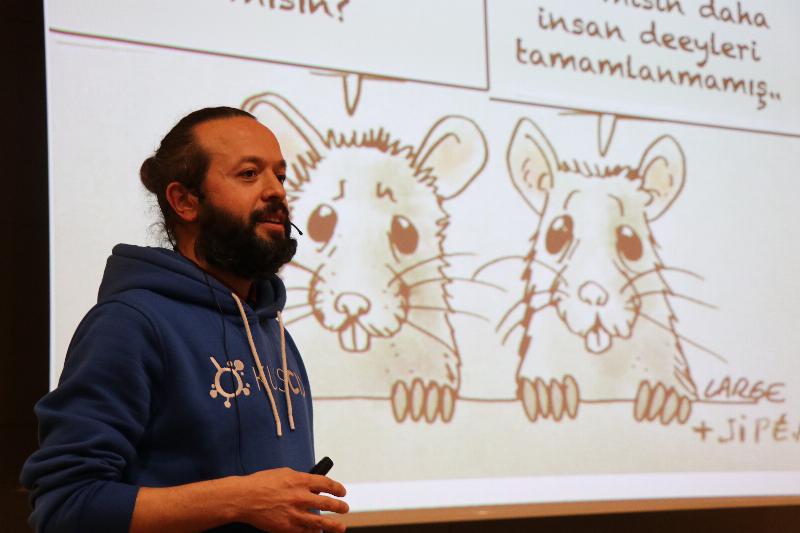
Dr. Hasan Demirci; "Science is teamwork"
Dr. Hasan Demirci, who delivered a speech on 'The Bright Future of Structural Biology in Turkey,' discussed the importance of teamwork. Dr. Demirci said: "Today, I will tell you about a very bright future in Turkey. At least a billion times brighter than today, friends. I am trying to solve supramolecular structures, meaning the largest structures in biology, using femtosecond beams. I am trying to solve its biggest and most challenging problems. I say 'I am trying,' friends. I am speaking in the singular here. But it's not actually like that; you don't work alone. Science is teamwork. Avoid people who tell you 'I am working, I am doing.' Science is teamwork. Nobody can achieve anything alone. You also need to learn to work together at this point. And you need to learn it now. So that you can say, 'we are working as a team, and undoubtedly, we will achieve great things.' Sharing is very important at this point."
Dr. Didem Karakaş Zeybek, who presented under the title 'Targeting the Tumor Microenvironment in Pancreatic Cancer,' explained the studies conducted to the participants using diagrams. Zeybek, discussing experiment types and their differences, visually elaborated on the detailed cell representation by dividing it into stages in her presentation.
After the closing speech by Dr. Cihan Taştan, the first day of the congress concluded with the presentation of plaques to the speakers by members of the Molecular Biology and Genetics Club.
On the second day of the "Molecular Biology and Genetics MBG Days" congress, organized by the students of the Molecular Biology and Genetics Club, prominent names in the field again took part. Assoc. Prof. Dr. Pınar Öz from Üsküdar University Faculty of Engineering and Natural Sciences, Department of Molecular Biology and Genetics; Dr. Mehmet Üçışık from Yeditepe University Faculty of Engineering and Natural Sciences, Department of Genetics and Bioengineering; Dr. Cihan Taştan from Üsküdar University Faculty of Engineering and Natural Sciences, Department of Molecular Biology and Genetics; Dr. Sinem Fırtına from İstinye University ITBF Faculty; and Prof. Dr. Ayten Kandilci from Gebze Technical University Faculty of Basic Sciences, Department of Molecular Biology and Genetics participated.
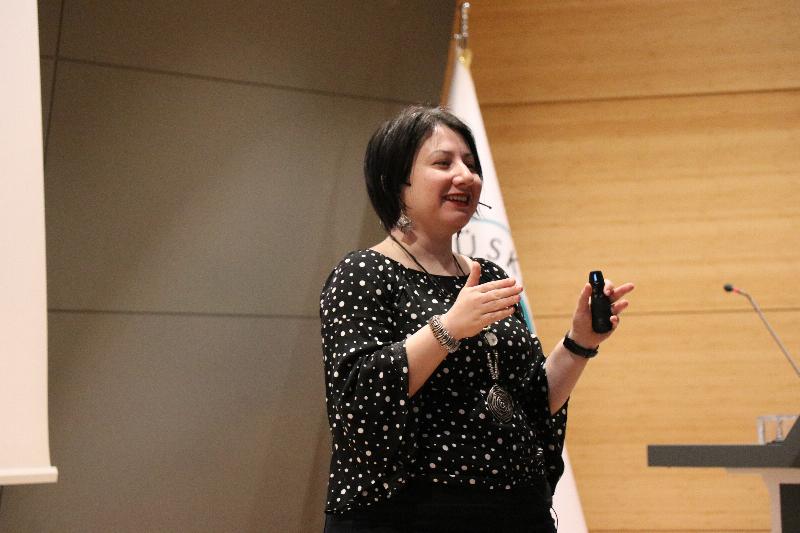
Assoc. Prof. Dr. Pınar Öz: "Sleep is essential for lifelong learning and memory"
On the second day, Assoc. Prof. Dr. Pınar Öz made the following evaluations under the title "Sleep and Neurodevelopment": "We apply electrophysiological methods to identify 2 important phases: REM sleep and Non-REM sleep. An increase in deep sleep phases is observed from infancy onwards. Over time, our need for sleep decreases. Looking at the development of sleep, sleep and the brain continue their development as time passes. Our brain development does not end with birth. We need sleep for synaptic connections to be established. As a side effect of sleep deprivation, hallucinations are observed, and brain activity deteriorates. Sleep is observed to be associated with certain mental disorders."
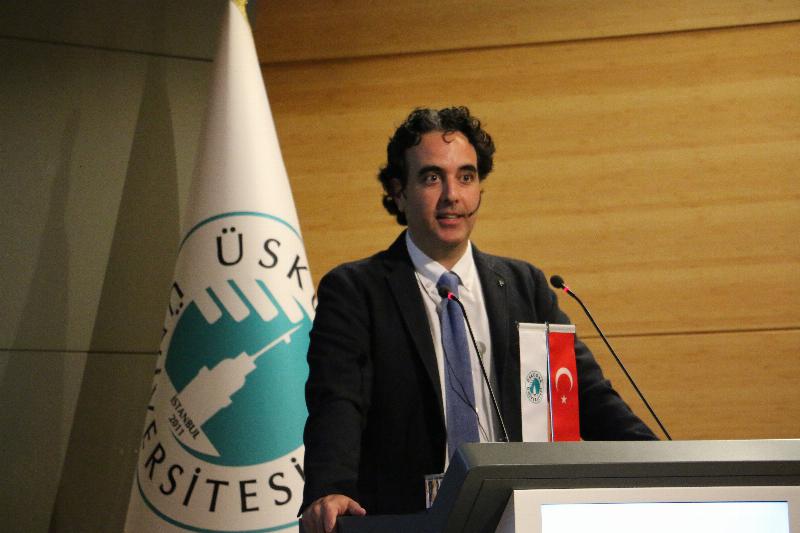
Dr. Mehmet Üçışık: "Every scientific development arises from a need"
Dr. Mehmet Üçışık, addressing the topic of Personalized Medicine applications under the title "Nanodrugs: Principles, Properties, and Applications" at the congress, stated:
"Personalized drug intake and whether each drug's side effect is good or bad varies according to individuals' biological differences. In this context, Personalized Medicine is not the future, but the present. The detection and development of biomarkers are important for early detection of diseases and initiating treatments early. Secondly, drug delivery systems also need to be developed so that treatment can safely reach the patient and their tissues."
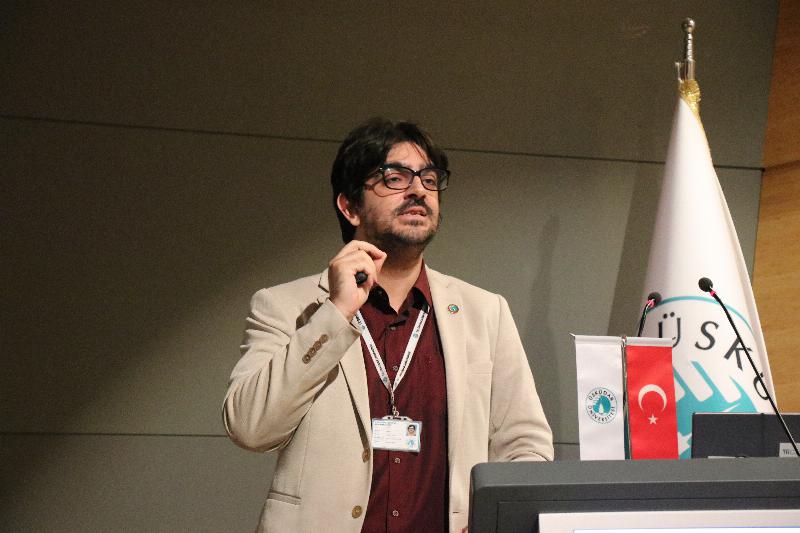
Dr. Cihan Taştan: "Robots are coming to do experiments for you"
Dr. Cihan Taştan, Director of Üsküdar University Faculty of Engineering and Natural Sciences, Department of Molecular Biology and Genetics, and TRGENMER, said: "To be able to perform an experiment in the laboratory, you first need to be a qualified scientist." He continued, "As TRGENMER, the transgenic cell technologies center, while we strive to use, research, and produce synthetic biology and CRISPR gene engineering to create treatments for people in areas requiring treatment such as cancer and rare diseases, we are also developing many different projects that aim to integrate disruptive technologies with synthetic biology. Since the human gene project was announced in 2000, we are not just reading our DNA; we understand what we read. We change the positions of the words we understand. We change the expressions, punctuation, and commas of sentences with CRISPR or other genetic engineering technologies. With studies conducted in recent years, we are entering an era where all these genetic engineering techniques, analysis devices, and microscope techniques can be brought together, and all the results here are processed, analyzed, and significant scientifically and statistically important results can be produced with artificial intelligence. This era now consists of completely automated approaches, which we call an automated approach. As you know, to perform a technique in the laboratory, to conduct an experiment in the laboratory, you first need to be a qualified scientist. In most techniques, you need to have very good dexterity and experience in conducting experiments successfully without ruining them or making mistakes."
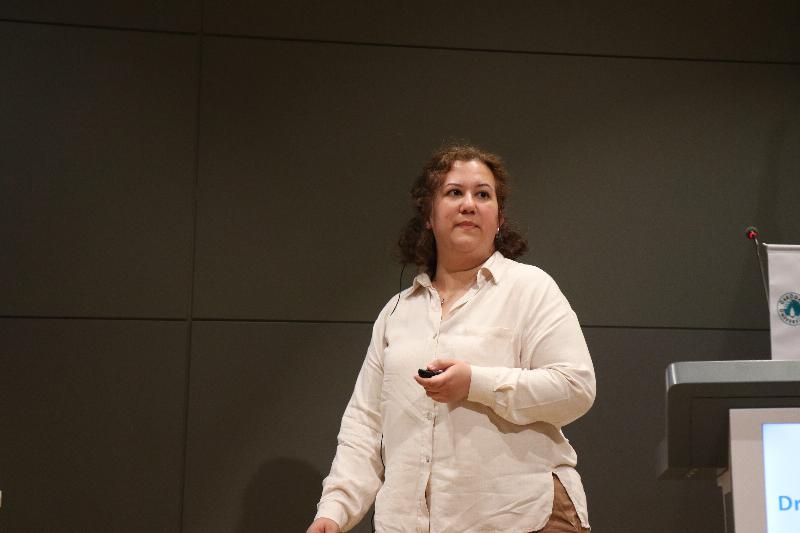
Dr. Sinem Fırtına: "Genetic diagnosis in rare diseases brings a lot to the family"
Dr. Sinem Fırtına from İstinye University ITBF Faculty, speaking about the Genetic and Epigenetic Bases of Rare Diseases, stated: "Determining the genetic background of rare disease patients by listening to their family history is very useful for the family in genetic counseling for certain therapy options. These diagnoses can be easily reached by performing family-specific gene analysis workflows. Possibilities such as 'De Novo' variants that are not present in the parents but appear in the child can also be identified by accessing the patients' genome information and learning the inheritance pattern and target genes of the disease. There are epigenetic changes in rare diseases. We see this as either the cause or the result of the disease."
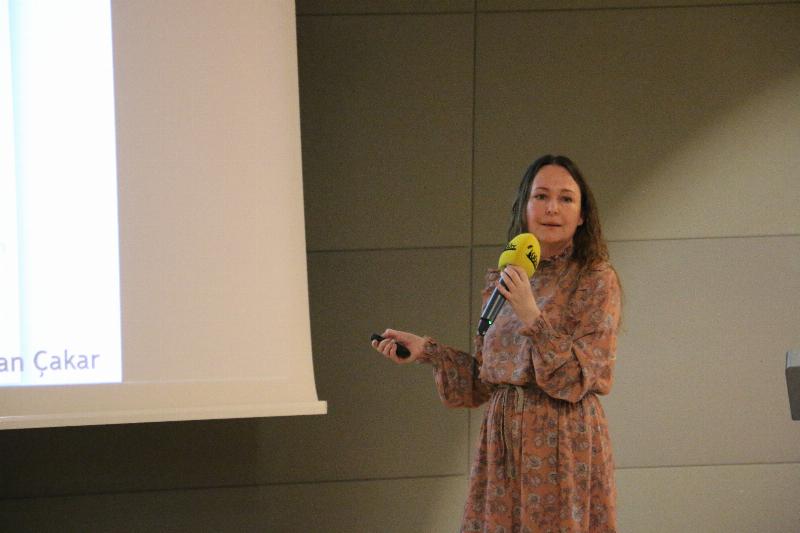
Prof. Dr. Ayten Kandilci: "A false hypothesis can create new paths for you in research"
Prof. Dr. Ayten Kandilci, who also touched upon Multiple Myeloma in her speech titled "Functional Characterization of DEK Protein" at the congress, stated: "It is a relatively rare type of cancer seen in one of the plasma cells. Plasma cells are actually a group of cells in the bone marrow and immune system cells. As in other cancers, some genetic and epigenetic DNA damage occurs in plasma cells, resulting in the disease. As in other cancers, some of the plasma cells die, accumulate in the bone marrow, and by inhibiting the functions of blood cells, a disease picture emerges. DEK expression is reduced in normal and cancerous plasma cells. This situation is not affected by an increase in the gene copy number. The absence of DEK protein can be used as a marker in the histopathological differential diagnosis of normal and cancerous plasma cells."
Share
Update Date: February 28, 2026
Creation Date: April 11, 2022
Request a Call
Other News
- Social responsibility courses moved to the field
- Erasmus+ Orientation Week completed at Üsküdar
- Prof. Nevzat Tarhan: “Brain secretes ‘dark glue’ in social media lynchers!”
- Prof. Nevzat Tarhan: “Every segment of society should be able to say, ‘This constitution is my constitution!’”
- OHS releases guide for safe operation of industrial robots