

Molecular biology and genetics specialist Dr. Cihan Taştan is opening 'Radichal', the rare diseases genetic therapy competition he initiated in 2020, to the world this year on February 28, World Rare Disease Day. Graduates and students from fields such as medicine, molecular biology, and bioengineering from all over the world will participate in the competition.
Content
Genetic Therapy Competition Opens Up to the World
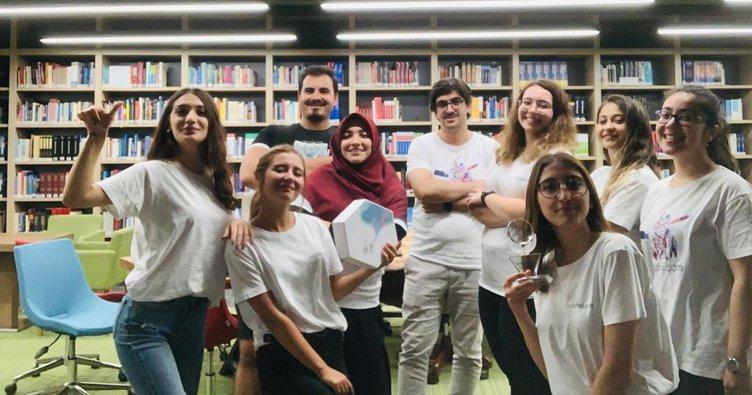
Dr. Cihan Taştan, Director of Üsküdar University's Transgenic Cell Technologies and Epigenetics Application and Research Center (TRGENMER), whose Radichal genetic therapy competition, launched last year to develop treatments for rare diseases, will be held worldwide this year. As part of the competition, which will be announced to all relevant universities worldwide on February 28, World Rare Disease Day, teams from various disciplines such as medicine, molecular biology, and bioengineering will compete to realize their genetic therapy projects. This year, the competition, whose eliminations will be conducted by an international jury, aims to find genetic solutions for Epidermolysis Bullosa (EB), also known as butterfly disease, cystic fibrosis, and Familial Mediterranean Fever (FMF). Providing information about the competition, Dr. Taştan said, "Last year, the competition was held in Turkey. 31 teams and 150 students competed with treatment projects for Spinal Muscular Atrophy (SMA), glycogen storage disease (GSD), and Friedreich's ataxia (FA). The team with the highest score presented a genetic therapy project for SMA disease. As an award, they will carry out their studies in our laboratory this summer. Our RaDiChal competition was deemed worthy of the 2020 social responsibility project award at the 4th Doktorclub Awards - Turkey's Health Awards, with the votes of 17 thousand doctors. Due to the interest it received, we are opening our competition to the world this year. Our competition is open to new graduates, undergraduate, master's, and doctoral students."
Aim to reduce SMA treatment costs by up to 20 times!
Dr. Taştan also shared the following information, stating that they started working with a 15-person team at TRGENMER three months ago to develop local treatment for SMA, a disease we have heard about frequently recently: "We set out three months ago to develop a similar version of the $2 million SMA treatment, which we all see through campaigns on social media, using local resources. I wish more laboratories dedicated to SMA research were established in Turkey. With $2 million, it might be possible to save not just one child, but perhaps dozens of children. Our goal is to reach the clinical stage, meaning a stage where it can be tested on humans, within three years at the latest, and to reduce the cost of SMA treatment to around $100,000-$200,000. In other words, we aim to reduce treatment costs by 10-20 times. The very high treatment costs for SMA are a problem not only for Turkey but for the entire world. Moreover, the success rate of existing genetic treatments abroad is around 66 percent. There are a total of 6172 defined rare diseases worldwide. Only a few hundred patients suffer from some of them globally. Because the number of patients with rare diseases, i.e., customers for pharmaceutical companies, is very small, the label prices of treatments can be very high as a return on investment in scientific studies. Therefore, it is not possible for treatments for rare diseases to become cheaper. Developing genetic therapies for such diseases with local resources is precisely for this reason essential. Academia also has to step up. To increase our qualified workforce, we first opened our competition in our country and now to universities worldwide. This year, projects offering genetic treatment solutions for butterfly disease, cystic fibrosis, and FMF will compete. The eliminations will also be conducted by an international jury."
Share
Update Date: February 27, 2026
Creation Date: March 01, 2021
Request a Call
Other News
- The book that read today's digital threats in 2014: Being a Conscious Family
- Experts warn: 'Instead of memorizing letters, teach pencil grip, scissor use, and coloring'
- School fear and school love both start in the family!
- Family is not merely transforming, it is being battered under a serious assault
- Artificial intelligence opens the door to early diagnosis in autism!