

Experts state that societies experience four phases after natural disasters such as earthquakes and floods: heroism, honeymoon, disillusionment, and return to normalcy. They point to the importance of social support and psychological first aid, especially in preventing suicide cases. Experts state that in the recent earthquake, the phenomenon called collective empathy or social empathy emerged, and people from all over the country, with no personal experience of the event, stepping in to help the people of the region is proof of this. While it is emphasized that the flood disaster extended the trauma process, it is also stated that we are in the disillusionment phase of the trauma stages.
Content
Flood extended the trauma process!
Now we are in the disillusionment phase…
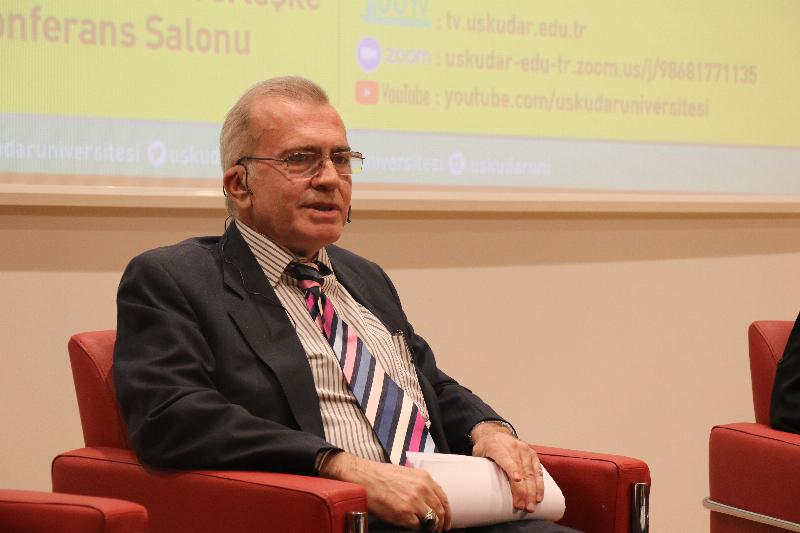
Dr. Lecturer Mert Akcanbaş from the Psychology Department of Üsküdar Üniversitesi Faculty of Humanities and Social Sciences stated that there are phases experienced after traumas and made an evaluation regarding these phases.
4 Phases are Experienced After Trauma
Dr. Mert Akcanbaş noted that societies experience four phases after traumas, listing them as heroism, honeymoon, disillusionment, and return to normalcy. Dr. Mert Akcanbaş noted that the heroism phase lasts between 2 hours and 3 days, and the honeymoon phase lasts between 3 days and 3 weeks.
The disillusionment phase is currently being experienced after the earthquake
Dr. Mert Akcanbaş noted that the disillusionment phase continues between 3 weeks and 3 months, and the return to normalcy phase is between 3 months and 36 months, stating, “The people in the disaster area are currently in the disillusionment phase where search and rescue efforts have stopped, aid activities have decreased, and consequently, public interest in what is happening in the region has waned.”
Attention to the 2-year period for suicides!
Dr. Mert Akcanbaş noted that changes are observed in suicides in society after major traumas, stating, “According to studies conducted in different disaster-stricken regions of the world, suicide rates decrease even among individuals contemplating suicide before the disaster during the heroism and honeymoon phases, then increase for 2 years starting from the disillusionment phase, and then return to normal. However, even 5 years after this return to normalcy, suicide rates among disaster victims continue to rise.” he warned.
Psychological First Aid Should Be Applied
Dr. Mert Akcanbaş stated that to keep this situation under control, psychological first aid should be applied to those severely affected among disaster victims within 30 days of the disaster, i.e., during the acute stress period, and all stressors in these individuals' lives such as shelter, food, work, financial matters, etc., should be collectively reduced.
Trauma Victims Vary
Dr. Mert Akcanbaş noted that the DSM V (5th version), the most important reference book in psychology and psychiatry, defines victims in its first article, called Condition A, and stated that according to this condition, victims are the following individuals:
i. Those who personally experienced the trauma
ii. Those who witnessed a traumatic event happening to others
iii. Those who learned that a loved one or family member experienced trauma
iv. Those repeatedly or excessively exposed to aversive details of a traumatic event (search and rescue workers, emergency response team members, firefighters, journalists, etc.)
Trauma Knew No Distance
Dr. Mert Akcanbaş stated that DSM V noted “diagnostic criteria cannot be applied” to individuals in the last category, adding, “However, we all saw that people far from the region, with no relatives there, watched rescue efforts on television and social media until morning during the last disaster, and these individuals experienced many traumatic symptoms in their daily lives. Consequently, I believe that future versions of the DSM system, which has been evaluating traumatic stress and related disorders in different disease categories and continuously revising their formation conditions since DSM I was published in 1954, should also include those who continuously watch real events through channels like media and television as victims.”
Collective Empathy is High in Our Country
Referring to the concept of collective empathy that emerges in society during disasters affecting a wide geographical area, Dr. Mert Akcanbaş said, “The phenomenon we can call collective empathy or social empathy means personal empathy having a wider impact, i.e., understanding others and distant social groups as if one had lived their experiences and sharing their feelings. Indeed, I believe we saw this in the recent disaster. The involvement of people from all over the country, with no personal experience of the event, to help the people of the region, and different institutions like municipalities using their resources to alleviate the region's suffering and needs, even though it was not their direct duty, indicates, in my opinion, a high level of collective empathy in our country.”
The Flood Disaster Has Extended the Trauma Process
Dr. Mert Akcanbaş also noted that it is very painful that the flood disaster occurred in the same geographical region before the negative effects of the different earthquakes experienced had been overcome, stating, “One of the main factors increasing traumatic stress symptoms is the number and duration of traumatic experiences. The fact that the people who survived the earthquake faced the risk of death again has not only increased the number of traumas but also extended the process.”
Share
Update Date: March 01, 2026
Creation Date: March 22, 2023
Request a Call
Other News
- The book that read today's digital threats in 2014: Being a Conscious Family
- Experts warn: 'Instead of memorizing letters, teach pencil grip, scissor use, and coloring'
- School fear and school love both start in the family!
- Family is not merely transforming, it is being battered under a serious assault
- Artificial intelligence opens the door to early diagnosis in autism!