What should be done for elderly individuals' adaptation to life after a disaster?
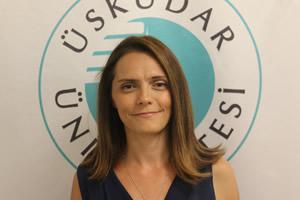
İdil Arasan Doğan, a lecturer in applied psychology at Üsküdar Üniversitesi Institute of Social Sciences, made evaluations about the emotional states experienced by elderly individuals in sudden disaster situations and shared important recommendations for ensuring their psychological well-being.
Normal life for the elderly individual should be established quickly
Lecturer İdil Arasan Doğan said, ‘Disaster situations appear as a sudden change in the conditions to which elderly individuals have adapted, and this is a challenging process created by how to adapt to these changes,’ and continued her words as follows:
“In this process, it is important to ensure that the elderly individual's normal life is restored as soon as possible. The main goal is to repair the disconnections experienced after beliefs about the body, emotion, or the world are shaken by disasters, and to re-establish these connections through relationships and support. Firstly, in psychological first aid, existing anxieties and physical condition should be tried to be understood without intervention, but direct questions about psychological problems should not be asked. The key point here is psychological triage. It is very important that the personnel who will do this have received the necessary training and know what to do and when. In particular, the fragile situations created by disaster processes increase the vulnerability that can be experienced with the inherent processes of old age. Unfortunately, a large number of elderly people were affected by the unprecedented Kahramanmaraş-centered earthquake in our country. The fact that our elderly staying in nursing homes were left helpless and in need of assistance, not knowing what to do afterwards, also revealed the desperation of the situation.”
They react to sudden losses in different ways
Emphasizing that losses, one of the greatest challenges of old age, were experienced quite severely with this disaster, applied psychology lecturer Doğan said, “Elderly individuals face many losses such as loss of peers, loss of spouse, and loss of role during this period. They react to losses experienced in sudden and unexpected disasters like earthquakes with different responses unique to them. Along with this, denial of reality, forgetfulness appearing with the onset of possible and existing demential processes, regression in cognitive activities, desire to be alone, and withdrawal symptoms are intensely observed. When they cannot solve the problem with what they consider to be solutions, tension and anxiety increase. These processes result in impaired orientation and deterioration in behavioral processes in the elderly individual.”
They are experiencing fear, grief, and mourning
Lecturer İdil Arasan Doğan, stating that the most intensely observed emotions in elderly individuals after sudden disasters like earthquakes are fear, loss, mourning, grief, and a depressive mood, said, “The anticipatory emotions that arise here can be explained as fear, loss emerging as a reaction, the feeling of grief accompanying mourning, and the state that can be described as apathy, which is depression. For the elderly to overcome this trauma with the least damage, it is very important to activate interpersonal support mechanisms and to promptly initiate care processes. In this context, rapid access to their relatives, having food and water readily available, and prioritizing decisions if transport to another location is necessary are required.”
Their needs should be kept readily available
Lecturer İdil Arasan Doğan stated that the water provided during the process facilitated the adaptation and calming of the elderly and continued her words as follows:
“Other objects for adaptation can be considered as items like prayer beads, pillows. In addition to these, the ability of the elderly to overcome disasters with the least damage depends on psychosocial efforts based on the ‘being there in the moment’ principle and the creation of safe spaces accompanied by reassuring statements like ‘everything will be alright’ in a calm tone. Respecting their privacy, having spare medications, glasses, and hearing aids readily available, if the elderly person has dementia, ensuring they have a previously existing locator, and using a piece of jewelry with their name on it can be considered among preventive and protective interventions at this point. Furthermore, if the elderly individual is an Alzheimer's patient, they will likely not stay where they are left, so extreme caution must be exercised. Providing training on communication with elderly and demented patients for those offering support in the disaster area is also crucial. Along with these, establishing emergency disaster care centers to be kept ready is quite valuable.”
Interdisciplinary cooperation comes to the fore
Lecturer İdil Arasan Doğan, stating that in these processes where interdisciplinary cooperation is very important, interpersonal approaches based on geriatrics-geropsychiatry, life review, works aimed at activating cognitive functions, and group-based studies will be effective, said, “Ensuring the social participation of the elderly individual as an inoculation of hope, supporting their feeling of usefulness, can perhaps be seen as the most valuable positive intervention in the process. Additionally, providing psychoeducation on aging and elder care to family members, caregivers, nursing home staff, or other service providers who live with and are in relationship with the elderly individual will contribute to our community's mental health as an aging society and will function as a preventive mechanism in emergency disaster situations.”

