

The Aviation and Space Psychology Certificate Course, organized for its 6th group in cooperation with Üsküdar Üniversitesi and the Aviation Medicine Association, has concluded. In the trainings held under the coordination of Prof. Dr. Muzaffer Çetingüç and Prof. Dr. Gökben Hızlı Sayar, psychological issues within the framework of ‘Human Factors’, one of the important areas of flight safety in Turkish civil aviation, were thoroughly examined. It is known that the training has been continuing within Üsküdar Üniversitesi since 2017.
Content
Aviation and Space Psychology Certificate Course Completed
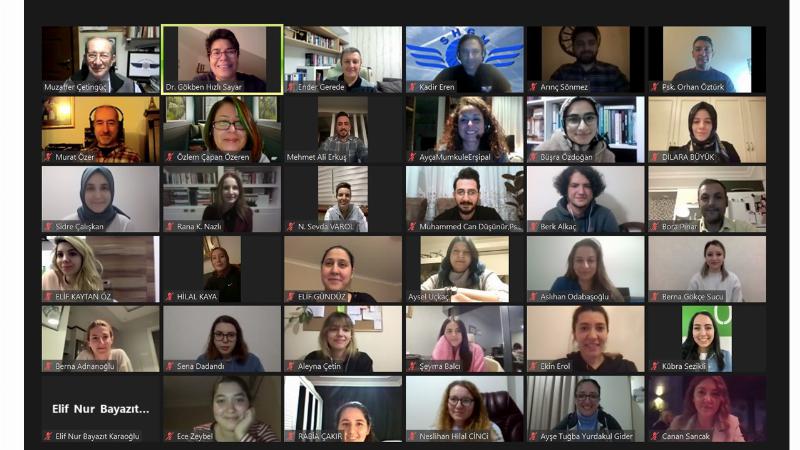
Information on Every Aspect of Aviation Provided in the Aviation and Space Psychology Certificate Course
On the first day of the training, starting from a psychological perspective on “What is aviation psychology, what is an aviation psychologist?”, information was provided about humanity's aviation journey, the duties of aviation psychologists, atmosphere, altitude physiology, barotraumas, decompression sickness, hypoxia, hyperventilation, and aviation terminology. How aircraft fly, safety elements, pilot's vertigo (disorientation), vestibular and visual illusions, acceleration, G forces, physiological, medical, psychological, and cognitive incapacitations in flight were conveyed.
Continuing the event on the second day, the training covered pilot personality profile, flight fitness; motivation, aptitude and health, psychometric assessment in pilot selection (M. Mawk, Papi, Cattell-PF16), DLR-2 (CRM) assessments and interview techniques in pilot candidate selection, crisis situations and psychological needs in aviation, flight phobias and treatment methods, motion sickness and air sickness, and female pilot performance and psychological assessment.
On the third day, which covered motivations of flying individuals, healthy and pathological motivation, psychological resilience, endurance, and well-being, information was also provided on psychomotor and neurocognitive declines experienced by older pilots, stress and fatigue of pilots and flight crews, stress of air traffic controllers and passengers, stress and fatigue of cabin crews, aviation accidents, PTSD, crisis intervention, EMDR, family support, pilot suicides, and psychopsies.
On the last day of the training, information was provided about crew resource management. Information was given on areas such as CRM and emotional intelligence, dangerous thinking and behavior patterns that disrupt CRM ‘Gremlins’, unruly passengers, skyjacking, and Stockholm syndrome. The new concept of Peer Support in flight safety and peer support role-playing, as well as the aviation authority's approach to aviation psychologists, were conveyed. At the end of the training, feedback was received from participants.
Share
Update Date: February 28, 2026
Creation Date: November 24, 2021
Request a Call
Other News
- Prof. Nevzat Tarhan: “Those with a mental filter are not afraid of the digital”
- Artificial intelligence doesn't eliminate the translator, it transforms their expertise!
- Social responsibility courses moved to the field
- Erasmus+ Orientation Week completed at Üsküdar
- Prof. Nevzat Tarhan: “Brain secretes ‘dark glue’ in social media lynchers!”