

Üsküdar Üniversitesi and the Health, Culture and Sports Club, the 4th "Multidisciplinary Approach to Specific Learning Disability Symposium" was held online under the leadership of Prof. Dr. Sevda Asqarova, Head of the Department of Health Sciences Faculty at Üsküdar Üniversitesi.
Content
The 4th Symposium on Specific Learning Disability Was Held…
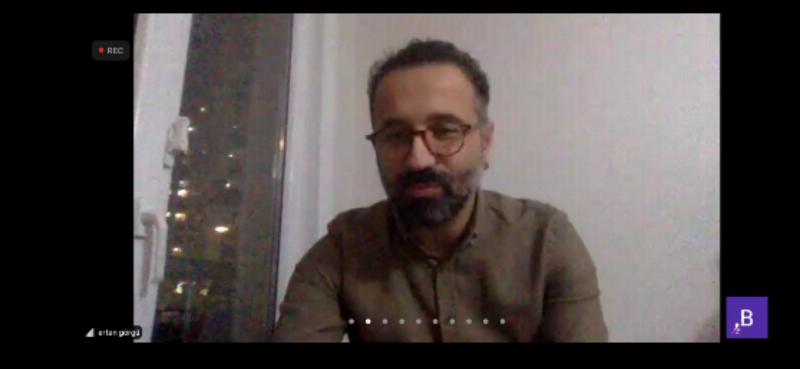
Dr. Ertan Görgüy, Assistant Professor Dr. and Deputy Director of Medeniyet University Autism Application and Research Center, delivered the opening speech.
Görgüy: “Specific learning disorder stems from information processing”
Dr. Ertan Görgüy, Assistant Professor, speaking about what specific and learning disabilities entail, stated, “Specific learning disorder is a problem that arises from the acquisition and processing of information. When measured individually through tests, considering the individual's chronological age, measured intelligence level, and age-appropriate education, their performance in reading, writing, and mathematics falls below expectations. It significantly impairs their achievement according to diagnostic criteria or their daily life activities that require reading, writing, and mathematical skills. Even if an emotional disorder exists, it is often further compounded by difficulties in reading, writing, and mathematics.”
The guests of the first session of the symposium were Dr. Ertan Görgüy, Assistant Professor from Medeniyet University Faculty of Educational Sciences, Psychologist Ayşenur Kök, Psychologist Cihan Çelik, and Dr. Ahsen Erim, Assistant Professor from Health Sciences University. Görgüy made his presentation titled “Specific Learning Disability.”
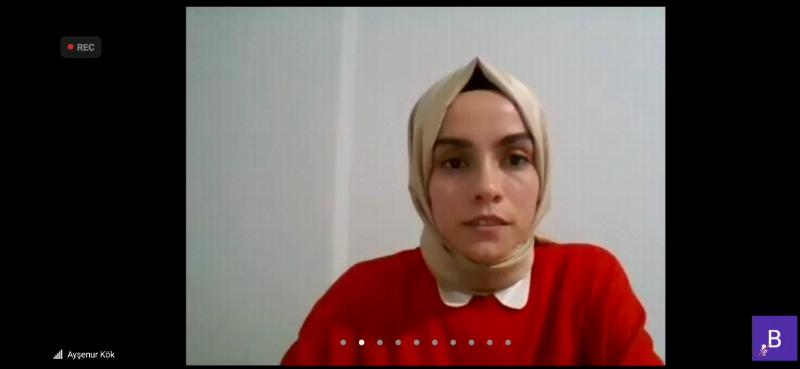
4 Criteria for a Healthy Learning Process!
Psychologist Ayşenur Kök, who presented on “The Learning Process in Children with Specific Learning Disabilities Who Have Experienced War Trauma,” stated: “Psychological trauma refers to the effects caused by events that excessively frighten, terrify, create helplessness, and are often unusual and unexpected. War is among the foremost events that can create psychological trauma. The important criteria for a healthy learning process are a sense of trust, a sufficiently safe environment, psychologically healthy parents, the absence of emotional strain, and the absence of a neurological disorder.”
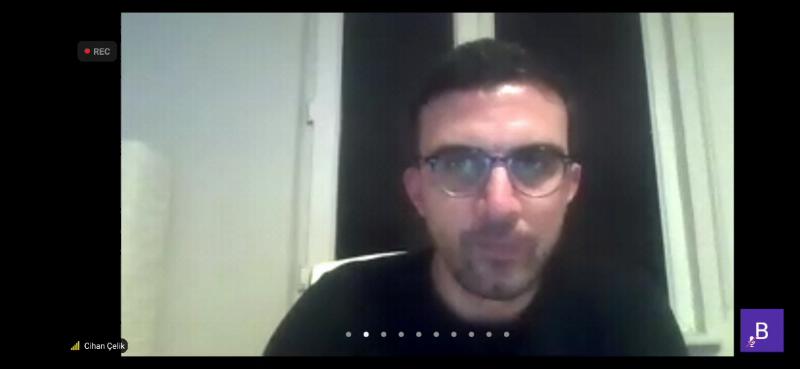
“This situation should not be considered as school failure”
Psychologist Cihan Çelik, who presented on the topic “When Will We Accept the Reality of a Dyslexic Child,” discussed the Problem of Dyslexic Discovery. Çelik stated: “The problem of dyslexic discovery is divided into external factors, what the child feels, and what the family feels. External factors include reaching conclusions like 'they'll sort it out over time,' 'they're not paying attention,' 'they're too young, they'll repeat the class,' etc. Let’s also look at what the child feels. The child becomes engrossed in thoughts like 'I can't succeed,' 'what is the teacher explaining,' 'I hope no one asks me anything,' and feels excluded. When the family factor is added to this, the child becomes more stressed and withdraws. The most important thing to do here is that the teacher, the moment they observe that a child is experiencing learning difficulties, should request a scale application. This situation should not be perceived as a failure of teaching or school failure.”
Asst. Prof. Dr. Ahsen Erim: “Literacy at home is an important factor”
Asst. Prof. Dr. Ahsen Erim from Health Sciences University, in her speech titled “The Place and Importance of the Language and Speech Therapist in Learning Disability,” provided important information by discussing the sub-branches of learning disability, early assessment, preschool dyslexia symptoms, writing difficulties (Dysgraphia), and the importance of literacy within the home.
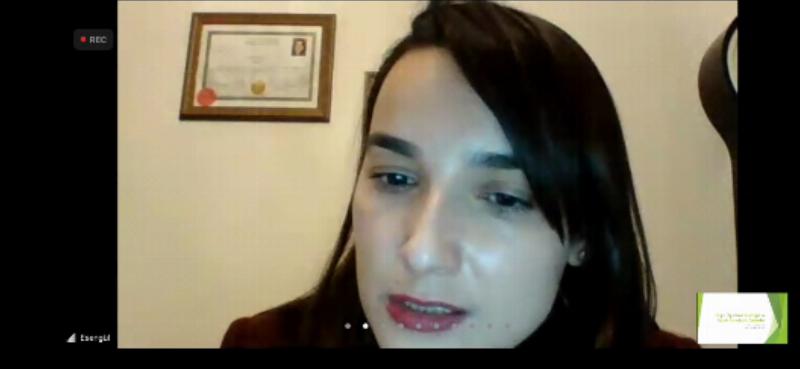
Child Psychiatrist Specialist Dr. Esengül Kayan, who presented on “Specific Learning Disabilities and Related Psychological Difficulties” in the 2nd session of the symposium, stated: “Psychoeducation should be provided to the child, family, and school regarding specific learning disabilities. When children do not understand the reason for their condition, they may think it is their fault and feel guilty. Therefore, we aim to reduce their anxiety levels by talking with them about their feelings and what they are experiencing.”
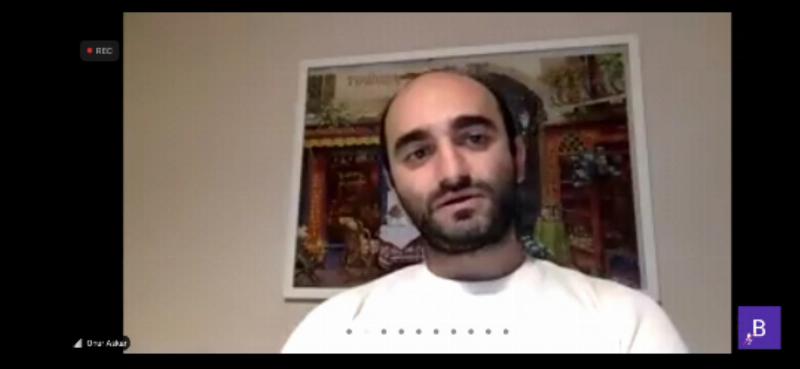
Onur Aşkar, Founder of Duyu Çocuk Merkezi and Specialist Physiotherapist, in his presentation titled “Neurophysiological Evaluation in Specific Learning Disability,” shared: “As a result of neurophysiological observations in children with Specific Learning Disability, we can say that children have strong visual systems and can remember everything they see, but they code this information as anxiety. We should also not forget hand-eye coordination.”
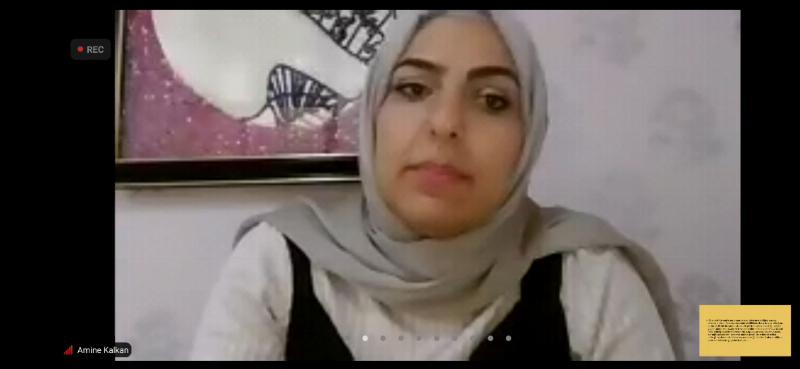
Occupational Therapist Amine Kalkan, who provided information to participants under the title “Learning Disability Executive Functions and Social-Emotional Learning,” stated: “The ‘Multi-Component Working Memory Model’ in Occupational Therapy is of great importance for Social-Emotional learning in children with Specific Learning Disability, and positive feedback has been received from families as a result of studies conducted on this subject.”
Share
Update Date: February 26, 2026
Creation Date: November 16, 2020
Request a Call
Other News
- Experts warn: 'Instead of memorizing letters, teach pencil grip, scissor use, and coloring'
- School fear and school love both start in the family!
- Family is not merely transforming, it is being battered under a serious assault
- Artificial intelligence opens the door to early diagnosis in autism!
- Artificial intelligence doesn't end engineering, it transforms it!