

The 4th International Loneliness Symposium, organized by Üsküdar Üniversitesi, is being held this year with the main theme of “Family and Loneliness”. Making the opening speech of the symposium, Üsküdar Üniversitesi Founding Rector, Psychiatrist Prof. Dr. Nevzat Tarhan, emphasized the effects of loneliness on the family. “We need to protect the family and uphold family values,” said Tarhan, adding, “When we look at family values, we can say that the most important value is sharing. It should not be a competitive family relationship, but a complementary one. The family relationship offered by modernism is based on competitiveness.” The symposium, attended by 30 prominent figures from 8 countries, will last two days under the coordination of Prof. Dr. Ebulfez Süleymanlı.
Content
4th International Loneliness Symposium: “Family and Loneliness” Launched
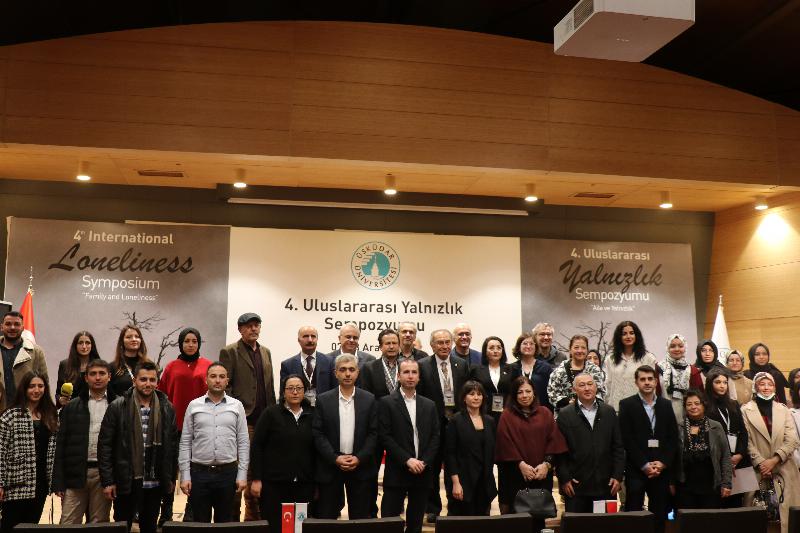
The symposium, held on 7 - 8 December 2022, addresses loneliness felt in today's families and the effects of technology on loneliness, with the participation of scientists and academics from France, Austria, Kazakhstan, Azerbaijan, Kyrgyzstan, Uzbekistan, and Turkey.
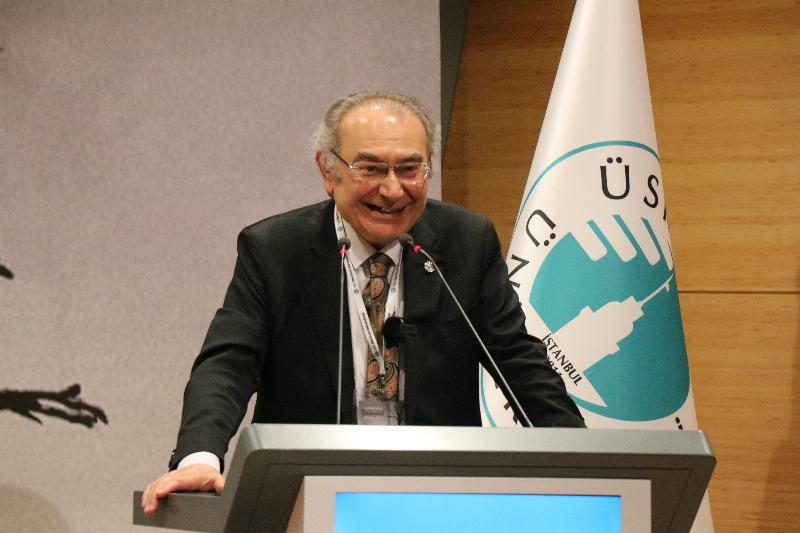
Prof. Dr. Nevzat Tarhan: “Loneliness is a serious and global problem”
Making the opening speech at the symposium's opening ceremony held at Üsküdar Üniversitesi Central Campus Nermin Tarhan Conference Hall, Üsküdar Üniversitesi Founding Rector, Psychiatrist Prof. Dr. Nevzat Tarhan, began by emphasizing that loneliness is a very serious global problem. Prof. Dr. Nevzat Tarhan said, “There are very serious findings regarding loneliness. In 2018, before the pandemic, the University of Manchester and the BBC conducted a joint study on approximately 50,000 people. In that study, 27% of the population over 75 years old and 40% of the population between 16-24 years old said, ‘I am very lonely.’ A very surprising result emerged. Most likely, those rates have increased now. Loneliness in old age is the biggest problem; suicides among the elderly have increased. A Ministry of Loneliness has been established in Japan due to the significant increase in suicides.”
Prof. Dr. Nevzat Tarhan: “Japan sought a cure for loneliness with a ‘Chat Room’”
Stating that they participated in the N20 Neuroscience Summit held in Osaka in 2019, just before the pandemic, within the scope of G20, Prof. Dr. Nevzat Tarhan said, “While walking on the street, we saw a room with ‘chat room’ written on it. We wondered why such a room existed and asked. Two people who didn't know each other would enter the room, chat, and then leave. We learned that it was a project created as a solution to loneliness. Technology has never entered human life as much as it has during this period. It is very important for sociology to address this issue as it is an area of interest.”
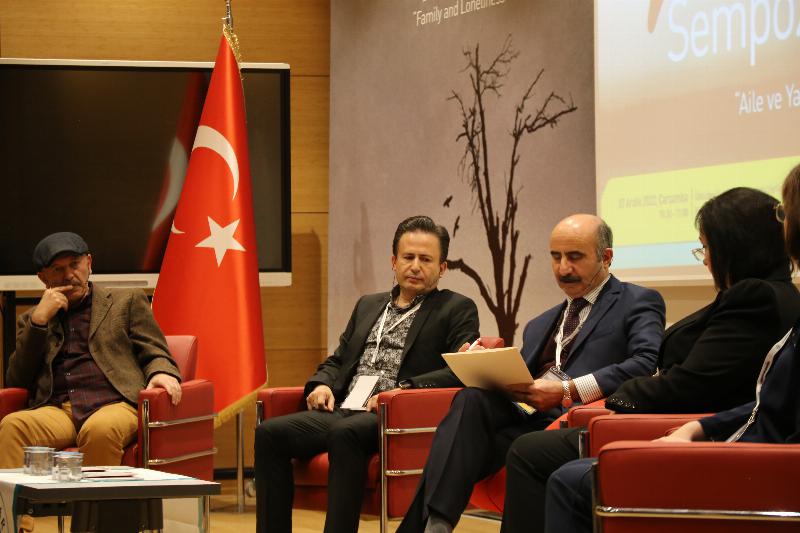
Prof. Dr. Nevzat Tarhan: “Technology accelerated loneliness”
Stating that they researched ‘Where is society going globally?’, published their findings, and hoped that those who determine social policies would take them into account, Prof. Dr. Nevzat Tarhan said, “In our studies, we observed that technology facilitates human life but accelerates loneliness. Another study conducted in America tracked face-to-face interaction rates among 6th, 9th, and 12th-grade students. The proportion of young people who said ‘we meet face-to-face every day’ between 1980 and 2015 dropped below 30% over the years. Today, there is no longer true social interaction. There are only meetings under the guise of social interaction on certain topics. Unsafe relationships with changed identities and different names are at stake.”
Prof. Dr. Nevzat Tarhan: “Homes ceased to be safe spaces with smartphones”
Prof. Dr. Nevzat Tarhan pointed out that smartphones have made homes cease to be safe environments and continued his words as follows: “Social norms in society were walls that protected society, but those walls have collapsed. The family was the last safe space in terms of security. That too has been destroyed by modern technologies. Because social norms and family norms have changed. Now, human norms have also begun to change. A new human type awaits us in the future. It is no longer surprising to say that the world is heading towards a digital dictatorship. In this context, a human-centric, not human-centered, world should be established. We do not say human-centered because humans, having free will, destroy nature and do not think about future generations. This loneliness study is not for our generation but for future generations. It is necessary to take precautions now against the dangers awaiting our future generations. When a crisis arises, we intervene very well, but we are very weak in preventive interventions to avert crises. Unfortunately, this is a characteristic of Eastern societies.”
Prof. Dr. Nevzat Tarhan: “When hedonism and narcissism combine, they lead to loneliness”
Emphasizing that societies are heading towards storms and that social scientists and psychologists should contemplate how to prevent societies from being caught in these storms, Prof. Dr. Nevzat Tarhan said, “A syndrome related to this is being described in America. It has been named the California Syndrome because it is where loneliness is felt most in the world. Homeless people live under the Facebook building in San Francisco. Despite income inequality, it is very difficult to find homeless people in Turkey. This is not often seen in Eastern societies. If precautions are not taken, we cannot know what will happen in the future. The French Revolution began as a result of extreme income inequality. The California Syndrome has four characteristics. The first characteristic is hedonism. Hedonism presented the pursuit of pleasure as an ego ideal, and we have started to see its examples more clearly. It used to be less common. People see everything that takes away their pleasure as a threat. In third-generation psychotherapies, it is being attempted to teach that these obstacles are not threats but opportunities. Another consequence of hedonism is egocentrism. Narcissism is also observed here. The person thinks the world revolves around them, seeing their own interest as the only high value. When hedonism and narcissism are combined, loneliness emerges as a result.”
Prof. Dr. Nevzat Tarhan: “Loneliness is the destiny of egocentric individuals”
Stating that loneliness is the destiny of egocentric individuals, Prof. Dr. Nevzat Tarhan said, “Humans are relational beings, and one of their greatest needs is relationships. The need for relationships has a genetic dimension. There is an innate hormone related to the need for relationships. This hormone is oxytocin. The oxytocin hormone is secreted most in breastfeeding mothers. It is also called the bonding and love hormone. In Switzerland, they produce and sell oxytocin as an artificial spray. Married couples spray it into their noses before sleeping to embrace each other more intimately. A person can actually make their own brain produce this hormone naturally.”
Prof. Dr. Nevzat Tarhan: “Narcissism is a kind of social cancer”
Pointing out that individualization and autonomization are encouraged in this era, Prof. Dr. Nevzat Tarhan said, “But this does not mean irresponsibility. People need to learn the balance between freedom and responsibility. While saying ‘I am free’, one should both belong to the family and be able to be free. In other words, people should be able to establish this balance. Freedom should not mean boundlessness and irresponsibility. The freest cell is a cancer cell. Those who want freedom at an anarchist level, like cancer cells, lead to a kind of social cancer. Narcissism is a kind of social cancer. They erode the social structure and cause it to collapse. To eliminate loneliness, egocentrism needs to be corrected. When hedonism, narcissism, and loneliness come together, they form a dark triad, leading to unhappiness and depression.”
Prof. Dr. Nevzat Tarhan: “Modernism offers us competitive family relationships”
Stating that antidepressants were found in Manhattan’s sewers, Prof. Dr. Nevzat Tarhan concluded his words as follows:
“They see antidepressants flowing like water in the sewers. We should not be fooled by Hollywood movies. People are trying to sustain themselves with medication. We can understand that the current ruthless, competitive, and egocentric system does not make people happy. People now need to learn to establish healthy relationships. This is a global problem. The increase in global suicides is closely related to this situation. It was very good that our Sociology department based this year’s symposium theme on the family. Because the family is the last safe space. We say that the family is the last safe haven for young people. We need to protect the family and uphold family values. When we look at family values, we can say that the most important value is sharing. It should not be a competitive family relationship, but a complementary one. The family relationship offered by modernism is based on competitiveness. Power and ego wars are experienced with rhetoric like ‘your money, my money, what you say, what I say’. Instead, one should say, ‘Marriage is a ship, and this ship has a destination. I can put my own interests aside for the good of this ship and my children.’ If you say ‘Me first, then the ship,’ that marriage will not progress healthily; it will become a master-slave relationship. This type of relationship worked in the past, and women paid the price, but it will not work in this era.”
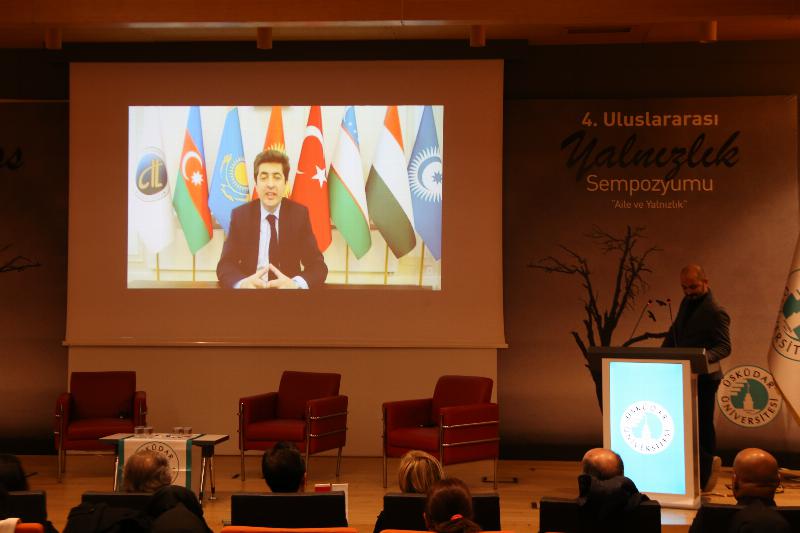
Prof. Dr. Ebulfez Süleymanlı: “This year, loneliness will be discussed through the institution of family”
Prof. Dr. Ebulfez Süleymanlı, Chairman of the Symposium Organizing Committee and Head of the Sociology Department at Üsküdar Üniversitesi Institute of Social Sciences (SOBE), stated in his opening speech delivered via online connection from Astana, the capital of the Republic of Kazakhstan, that this year’s symposium would address and evaluate loneliness, which has become a significant social phenomenon of the modern era, in relation to the institution of family.
Prof. Dr. Ebulfez Süleymanlı: “New situations like loneliness within the family have emerged”
Prof. Dr. Ebulfez Süleymanlı said that throughout history, the institution of family served to support individuals emotionally and socially by creating a safe space, whereas today, the family’s influence in alleviating individuals’ loneliness and insecurities is observed to be diminishing. Prof. Dr. Ebulfez Süleymanlı stated, “Research shows that with the penetration of digital technologies into daily life, changing family relationships have led to a decrease in time spent together by family members and an increase in time spent alone. Such examples also point to new situations that can be called loneliness together and loneliness within the family. The relationship between family and loneliness emerges as an important topic that needs to be examined from aspects such as migration, gender, old age, education, and similar issues, in addition to digitalization.” Prof. Dr. Ebulfez Süleymanlı also stated that, as in previous years, they conducted a large-scale survey in 81 provinces before this year’s symposium and would share its results, adding that approximately 30 politicians, scientists, NGO representatives, and artists from 8 different countries would participate as speakers at the symposium.
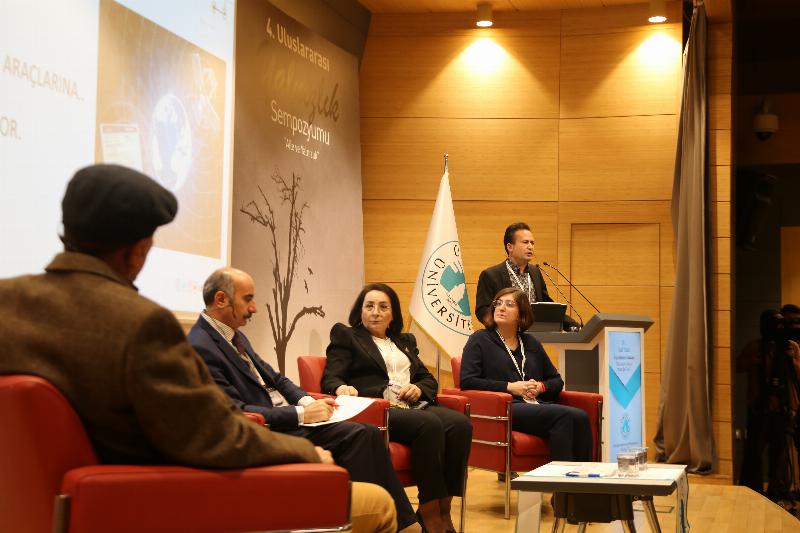
Technology, family, and loneliness were discussed in the first session
Üsküdar Üniversitesi Rector’s Advisor Prof. Dr. Sırrı Akbaba shared his evaluations under the title “Invisible Faces of Loneliness in the Family” in the first session he moderated. Prof. Dr. Sırrı Akbaba stated that a lack of social skills also leads to loneliness.
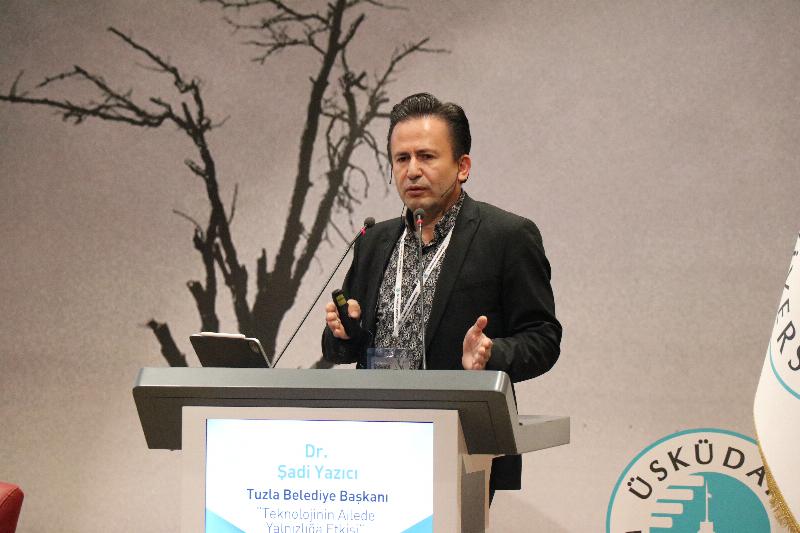
Dr. Şadi Yazıcı emphasized the importance of controlled use in technology
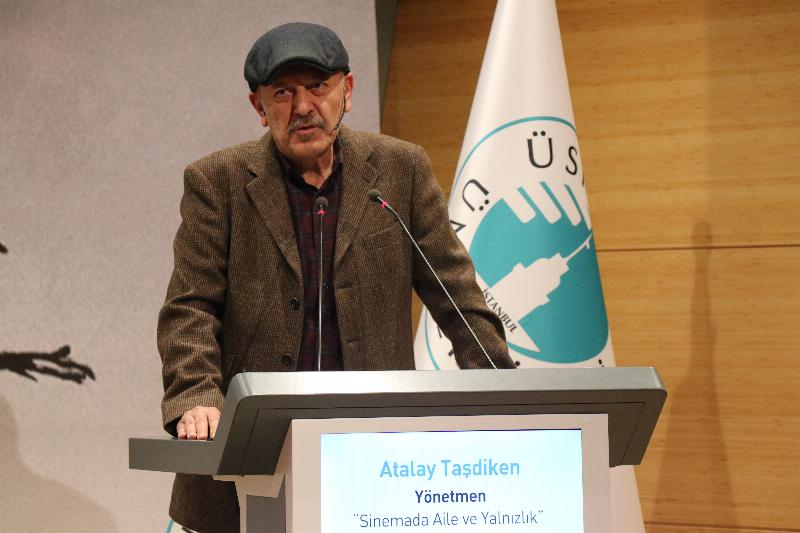
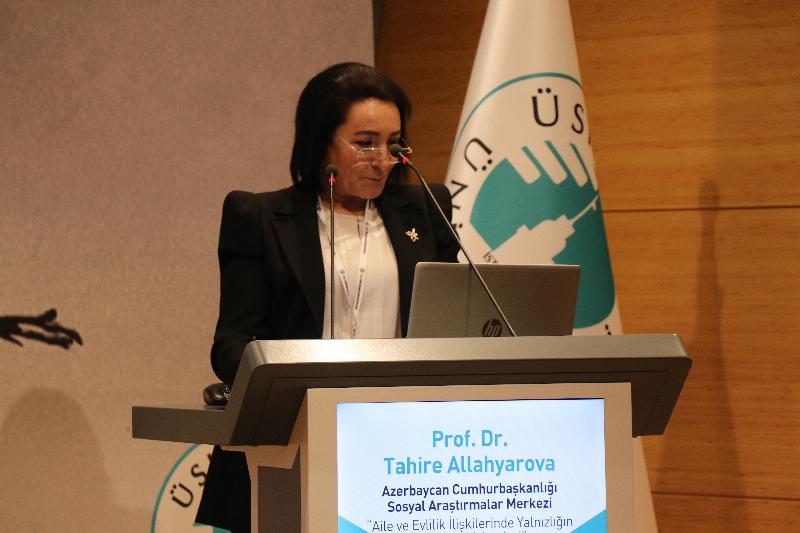
Tuzla Mayor Dr. Şadi Yazıcı, in his speech titled “The Impact of Technology on Loneliness in the Family,” emphasized the importance of controlled use, stating that with the development of technology, all its positive and negative effects permeate the family and society. Prof. Dr. Tahire Allahyarova from the Social Research Center of the Presidency of Azerbaijan spoke about the effects of loneliness in Azerbaijani society and the institution of family in her speech titled “Social Variables of Loneliness in Family and Marital Relationships.” Award-winning director Atalay Taşdiken also presented examples of films from Turkish and world cinema dealing with themes of migration, urbanization, and loneliness in his presentation titled “Family and Loneliness in Cinema.”
Results of Turkey Digitalization and Loneliness Survey Shared
The “Turkey Digitalization and Loneliness Survey Results,” conducted in collaboration with Prof. Dr. Ebulfez Süleymanlı from Üsküdar Üniversitesi and Method Research Company, were also announced at the end of the first session. The study, which included 6,100 people aged 18-70 across Turkey, attracted attention with its striking results.
The first session, broadcast live on Üsküdar Üniversitesi’s YouTube account and ÜÜ TV, concluded with the presentation of certificates of appreciation to the participants and a group photo.
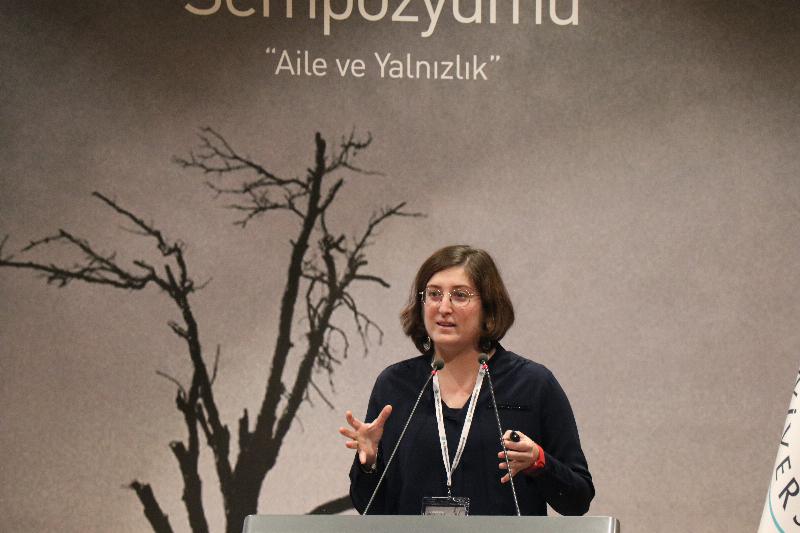
Combating loneliness was discussed
Assoc. Prof. Dr. Melis Oğuz from Beykent Üniversitesi chaired the second session of the first day and shared her presentation titled “Berlin Neukölln Neighborhood Mothers: Loneliness Combat Strategies of Immigrant Women”. Prof. Dr. Hasan Bacanlı from Fatih Sultan Mehmet Vakıf Üniversitesi participated in the second session of the symposium with his presentation “The Current State of the Family and Loneliness”, Psychologist Hatice Tongar with “The Loneliness of Generation Z”, Expert Social Worker Burcu Kılıç Gündüz from Üsküdar State Hospital with “The Alone Among People”, and Kalben Association President Pelin Çalışkanoğlu Ekşi with “The Loneliness of Children Growing Up in Foster Families”. The first day of the symposium concluded with the completion of the second session.
Foreign participants will talk about loneliness in the world
On the second day of the symposium, the first session will begin under the chairmanship of Prof. Dr. Ebulfez Süleymanlı. Prof. Dr. Tamara Rostovskaya and Assoc. Prof. Dr. Ekaterina A. Knyazkova from the Institute of Demographic Research, Federal Research Sociological Center, Russian Academy of Sciences, will participate in the first session with their presentation titled “Loneliness Within the Family: Close but Not Together”. Prof. Dr. Nigina Rahimova from the “Ictimai Fikir” Public Opinion Research Center of Uzbekistan will present “Is Loneliness a Current Problem for Uzbek Families?”, Prof. Dr. Rita Salmorbekova from the Institute of Philosophy, Law and Political Studies of the National Academy of Sciences of Kyrgyzstan will present “Loneliness as a Social Problem in Kyrgyzstan”, Assoc. Prof. Dr. Aygün Halilkızı from the Philosophy Department of Baku State University will present “Sociocultural Change and the Problem of Incompatibility as Reasons for Family Loneliness: The Case of the Azerbaijani Family”, and Aizhan Duisembayeva from the International Turkic Academy will present “The Problem of Loneliness in Families in Kazakhstan: Sociopsychological Assessment”. Gözde Courbis Poncet will join the first session of the symposium from France and deliver her presentation titled “Silence Within the Family: Loneliness Experiences of Foreign Nationals Living in France”.
Academicians will interpret loneliness from different perspectives
In the second session of the 4th International Loneliness Symposium, Prof. Dr. Cengiz Çakmak from İstanbul Üniversitesi will chair and deliver his speech titled “Microwaves and Conservatism in the Digital (finger) Realm”. Assoc. Prof. Dr. Gülsüm Depeli from Hacettepe Üniversitesi will present “Family as an Ideology of Isolation: Inside and Outside”, Assoc. Prof. Dr. Faruk Yaylacı from Kütahya Dumlupınar Üniversitesi will present “Loneliness as a Helpless Strategy and the Responsibility of Education”, and Assoc. Prof. Dr. Taner Atmaca from Düzce Üniversitesi and Lecturer Ayşegül Övdür Altundal from Bolu Abant İzzet Baysal Üniversitesi will participate in the second session with their presentations titled “Children of Broken Families and Education: Analysis of Various Problems Reflected in Schools”.
Psychiatrist Dr. Fatma Tuba Aydın Mentschl, who will participate in the second session from Austria, will deliver her presentation titled “The Loneliness of Migrant Children”. The final session of the symposium will be chaired by Prof. Dr. Zafer Danış from Sakarya Üniversitesi. In the third session, Prof. Dr. Gülay Günay from Karabük Üniversitesi will present “Loneliness in Old Age and the Importance of Family as a Social Support System”, Dr. Lecturer Talip Yiğit from İstanbul 29 Mayıs Üniversitesi will present “The Complexity of Old Age: Is Old Age a Choice or an Objective Reality?”, Dr. Lecturer Nesim Aylvarcı from Sakarya Üniversitesi will present “Loneliness and Social Isolation in Old Age”, and Dr. Nihan Kalkandeler Özdin from Üsküdar Üniversitesi will present “Empty Nest Syndrome”.
The 4th International Loneliness Symposium will conclude with the closing speech of Prof. Dr. Ebulfez Süleymanlı, Chairman of the Symposium Organizing Committee.
Share
Request a Call
Other News
- The book that read today's digital threats in 2014: Being a Conscious Family
- Experts warn: 'Instead of memorizing letters, teach pencil grip, scissor use, and coloring'
- School fear and school love both start in the family!
- Family is not merely transforming, it is being battered under a serious assault
- Artificial intelligence opens the door to early diagnosis in autism!