

Üsküdar Üniversitesi NPİSTANBUL Brain Hospital launched its Free Psychological Support service during the pandemic, driven by a sense of social responsibility. The problems of 404 individuals who applied were listened to and solutions were provided. The most common complaint received by the support line, which was contacted by 132 men and 272 women, was an increase in anxiety triggered by the pandemic. While 140 clients reported anxiety symptoms that disrupted their daily lives, 42 of them stated that they visited various doctors and used medication due to the fear of contracting Covid-19 infection. This was followed by complaints related to depression, marital problems, anger management issues, and eating disorders. Psychiatrist Prof. Dr. Nevzat Tarhan stated that most of the consultations on the psychological support line concluded positively, saying, “We provided short-term supportive therapies to individuals, and as a result, those who were able to transform the pandemic into psychological resilience training were able to get through this period without using medication.”
Content
404 People Called the Free Psychological Support Line
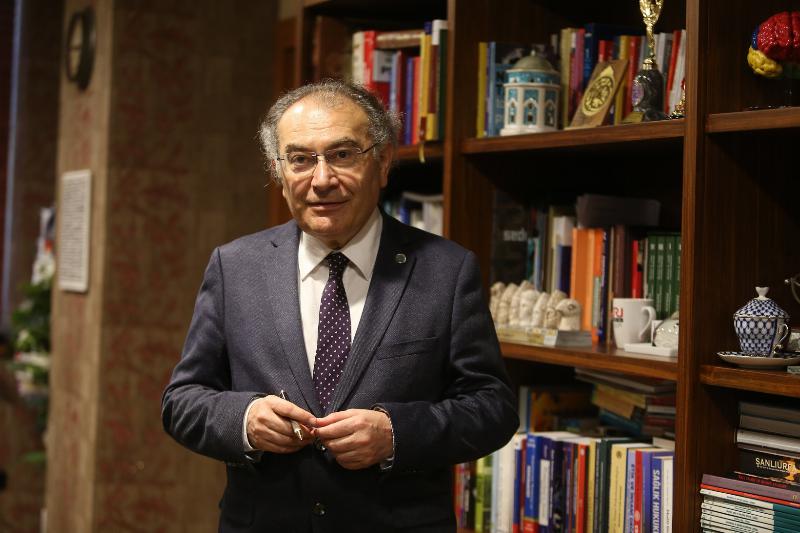
Üsküdar Üniversitesi NPİSTANBUL Brain Hospital, which conducts studies to minimize the psychological and psychiatric problems caused by the pandemic in society, launched its Free Psychological Support service during this period. The hospital's psychiatry specialists and expert clinical psychologists listened to the problems of 404 people who called the line and offered solutions.
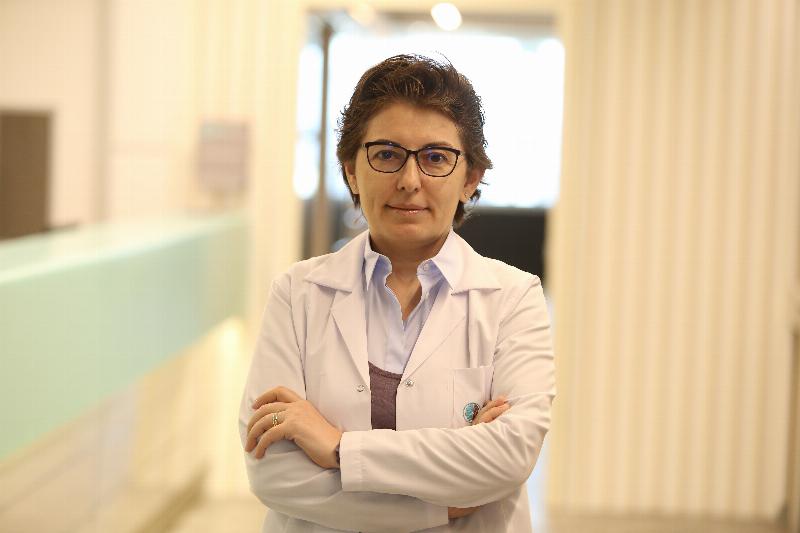
NPİSTANBUL Brain Hospital Deputy Medical Director and Psychiatrist Asst. Prof. Dr. Semra Baripoğlu stated that the number of applicants during the four-month period was 404. Baripoğlu noted that 384 of these applications were from individuals aged 18-71, and parents sought counseling for 20 individuals aged 3-17.
Most Applicants Feared Covid-19 Infection
Psychiatrist Asst. Prof. Dr. Semra Baripoğlu shared the following data regarding the service provided during this period:
132 of the clients were male, 272 were female.
14 of the applicants reported being Covid-positive at the time of application, 7 reported Covid-positivity in family members, and 2 reported family deaths due to Covid-19.
The most frequent complaint was an increase in anxiety triggered by the pandemic in 140 clients, 42 of whom reported visiting multiple doctors and using numerous medications due to fears of contracting Covid-19. This was followed by depressive mood states triggered by the pandemic, and job-future anxieties. Among the applicants, 24 people reported excessive cleaning and hygiene behaviors due to Covid infection obsessions, and it was learned that eight clients had a history of Obsessive Compulsive Disorder diagnosis. 27 clients with a history of Panic Disorder diagnosis and treatment reported that their panic attacks restarted after the pandemic. Questions other than Covid-19 concerned marital problems, anger management issues, eating disorders, and medication use.
86 People Described Anxiety Disorder Symptoms
Psychiatrist Asst. Prof. Dr. Semra Baripoğlu stated that during interviews with applicants, 86 clients who had not previously received a psychiatric diagnosis reported anxiety disorder symptoms, 48 clients reported depression symptoms, 16 clients reported obsessive-compulsive disorder symptoms, and 35 clients reported panic disorder symptoms, and these individuals were directed to psychiatric treatment and/or psychotherapy. Baripoğlu also noted that in 165 individuals, the complaints were not at a clinical disease level, and these clients were given psychoeducation about anxiety symptoms and information on relaxation techniques.
Prof. Dr. Nevzat Tarhan: “Our Public is Conscious About Psychological Support”
Prof. Dr. Nevzat Tarhan stated that they launched a free pandemic support line with an expert team of psychiatrists and clinical psychologists within NPİSTANBUL Brain Hospital, saying, “We provided one-on-one support to those who applied online and called the support line. We also reported the results of this study with our experts. There are two striking results here: people are conscious about seeking psychological support in such situations. It is a very important behavior for people to be aware and to try to get help from scientific methods instead of resorting to unscientific methods for their psychological problems. In addition to the 404 people we directly called and supported, there are many more people who benefited.”
Prof. Dr. Nevzat Tarhan: “Pandemic Can Be Transformed Into a Gain”
Tarhan continued, “The results support the view that the pandemic is a psychological phenomenon.”
“The Chinese say, ‘We solved the pandemic not with social isolation, but with social cooperation.’ At this point, social support is very important. People who receive social support cope better with the pandemic crisis. We, as a society, are also lucky. With support such as social support, family, and neighborly support, people were able to better control their fears. Most of the consultations on the psychological support line also concluded positively. People stated that they felt relieved and saw benefits from the psychological support they received, solving their problems without needing a second or third call. In the post-pandemic era, there will be a global increase in psychiatric illnesses. This increase needs to be transformed into a gain. If people face the pandemic correctly, they gain psychological resilience, invincibility, and psychological flexibility skills. We provided short-term supportive therapies to individuals, and as a result, those who were able to transform the pandemic into psychological resilience training were able to get through this period without using medication.”
Psychoeducation Provided to 60 People
Psychiatrist Asst. Prof. Dr. Semra Baripoğlu noted that three individuals among the applicants were referred for emergency psychiatric examination due to suicidal ideation, and listed the procedures performed as follows:
“Psychoeducation was given to the families of 5 clients. 10 clients were referred for couples therapy. 2 clients were referred to a child psychiatrist. Psychoeducation on anxiety management was provided to 60 people. Breathing exercises were taught to 1 person. Necessary recommendations were given to 75 people. 24 people were referred for psychiatric examination. Continuation of psychiatric treatment was recommended to 12 people currently undergoing treatment. Psychotherapy was recommended to 179 people. 21 people stated that they found solutions to the problems that led to their applications through this counseling and no additional referral was needed.”
Share
Request a Call
Other News
- The book that read today's digital threats in 2014: Being a Conscious Family
- Experts warn: 'Instead of memorizing letters, teach pencil grip, scissor use, and coloring'
- School fear and school love both start in the family!
- Family is not merely transforming, it is being battered under a serious assault
- Artificial intelligence opens the door to early diagnosis in autism!