

Chemical Engineering is learned at Üsküdar University.
What is the Department of Chemical Engineering?
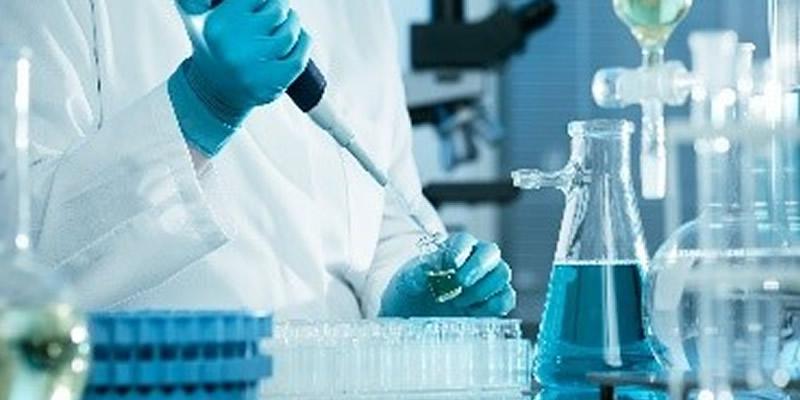
Chemical engineering is a multidisciplinary field of engineering that aims to transform raw materials and chemicals into useful and valuable products. For this purpose, it is based on the fundamental principles and approaches of life sciences and engineering sciences, as well as basic sciences such as mathematics, physics and chemistry.
Chemical Engineering and Process Engineering
Chemical engineers generally hold a degree in “Chemical Engineering” or “Process Engineering.” Chemical engineers with professional certifications may become members of professional organisations. Institutions of which chemical engineers are members include the Institution of Chemical Engineers (IChemE) and the American Institute of Chemical Engineers (AIChE).
Chemical engineering is being redefined through developments
The definition of chemical engineering has been expressed in different ways over time in line with developments around the world. In the 1950s, AIChE (American Institute of Chemical Engineers) defined chemical engineering as follows: “Chemical engineering is a branch of the engineering profession concerned with the development and application of manufacturing processes involving physical and chemical changes in materials. The chemical engineer’s task consists of designing, constructing and operating equipment in which physical and chemical changes take place.”
Redefined in the 21st century
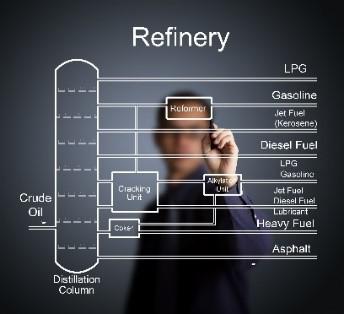
By the 21st century, chemical engineering was redefined in consideration of the innovations introduced by the new century. In the 2000s, it was described as follows: “Chemical engineering is a broad and versatile branch of engineering concerned with the development and implementation of processes in which the chemical structures, energy content or physical states of materials undergo change.”
The Aim is to Educate Fully Equipped Professionals
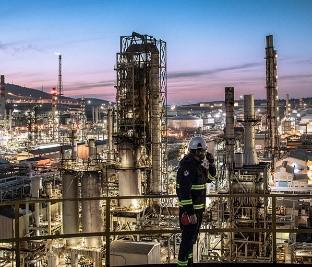
Through the analytical thinking skills provided to students who wish to study chemical engineering, the Department of Chemical Engineering aims to equip students with the ability to develop solutions to problems in fields such as chemistry, process engineering and biotechnology. Üsküdar University aims to become one of the leading centres of chemical engineering both in Türkiye and worldwide.
ERASMUS Opportunities are Offered
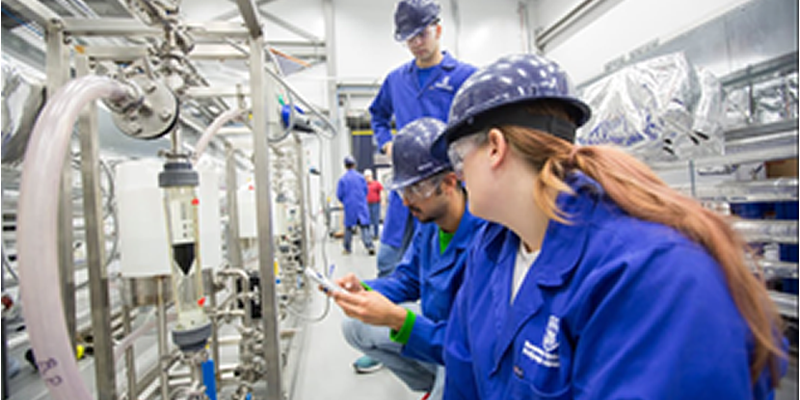
Undergraduate and graduate students at Üsküdar University have the opportunity to receive education within a multidisciplinary framework. In this way, students are able to select the areas that interest them from a wide variety of high-impact, world-class research topics with outstanding qualities. In addition, our students can gain international educational experience through our bilateral agreements under the ERASMUS programme.
What Courses are Offered in the Department of Chemical Engineering?
The Department of Chemical Engineering consists of theoretical and practical courses in basic sciences integrated with the engineering discipline. Students of the Department of Chemical Engineering are offered an education that enables them to specialise in numerous fields, including petrochemicals, chemistry, pharmaceuticals, biotechnology, chemical process modelling, environmental and energy management, renewable energy, waste management, biomaterials, nanotechnology, catalysts and catalytic reactions, polymer science, process engineering, bioinformatics and biostatistics.
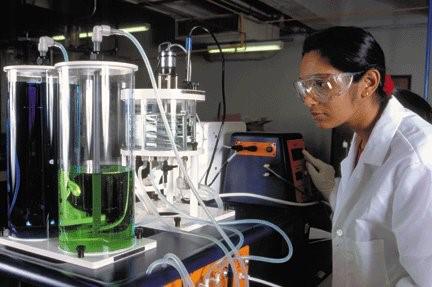
In line with these objectives, it is important for students of the Department of Chemical Engineering to actively carry out the practical applications of the theoretical courses included in the curriculum. During the first semesters of their undergraduate education, chemical engineering students take General Chemistry I, General Chemistry II and Organic Chemistry courses in the General Chemistry and Chemical Engineering Laboratory. Practical applications of Physics I and Physics II, which are included among the common courses, are carried out in the Physics Laboratory. Computer-Aided Engineering Graphics and Introduction to Programming for Chemical Engineering courses are conducted in the Computer Laboratories, where SolidWorks and MATLAB are taught respectively. In the following semesters, Chemical Engineering Laboratory I and Chemical Engineering Laboratory II courses are also conducted in the Chemical Engineering Laboratory. These practical applications and laboratories enable students to transform their theoretical knowledge into practical skills while preparing them for real-world problems.
Laboratories Used
1) Chemical Engineering Laboratory
2) Computer Laboratory I
3) Chemistry Laboratory
4) Computer Laboratory II
5) Physics Laboratory

A Broad Range of Research Areas
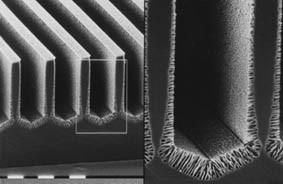
Chemical engineering enables research and product development activities to be carried out in every area of life. In this respect, it is one of the engineering fields in which research and development activities are most extensively utilised. Our department focuses on research topics such as the synthesis and characterisation of nanostructured materials, microreactors, aerogel-based optofluidic systems, chemical process modelling, supercritical fluid technologies, photocatalysis, artificial photosynthesis, air purification, self-cleaning surfaces, protein modelling, protein-protein interactions, computer-aided drug design and bioinformatics.
Language of Instruction is English
The language of instruction in the four-year Department of Chemical Engineering programme is 100% English, and attendance at the English preparatory programme is compulsory. The preparatory language education period is not included in the specified programme duration.
What are the Career Opportunities for Chemical Engineers?
Chemical engineers have a wide variety of employment opportunities. They may work in production, planning, marketing and research and development departments in any industry involving chemical processes and facilities.
In terms of sectors, chemical engineers have employment opportunities in many fields, including petrochemicals, chemicals, pharmaceuticals, energy, cement, paint, plastics, biotechnology, agriculture, metals, paper, food and textiles. In addition to working in the public or private sector, chemical engineers may also choose to pursue an academic career in Türkiye or abroad with the support of various research funding programmes.


