

The "Past and Present of News Broadcasting" event was held by the Üsküdar University Faculty of Communication. TRT Announcer Feryal Ardal participated as a guest in the event held at the South Campus training studio.
Content
"The Past and Present of News Broadcasting" Discussed
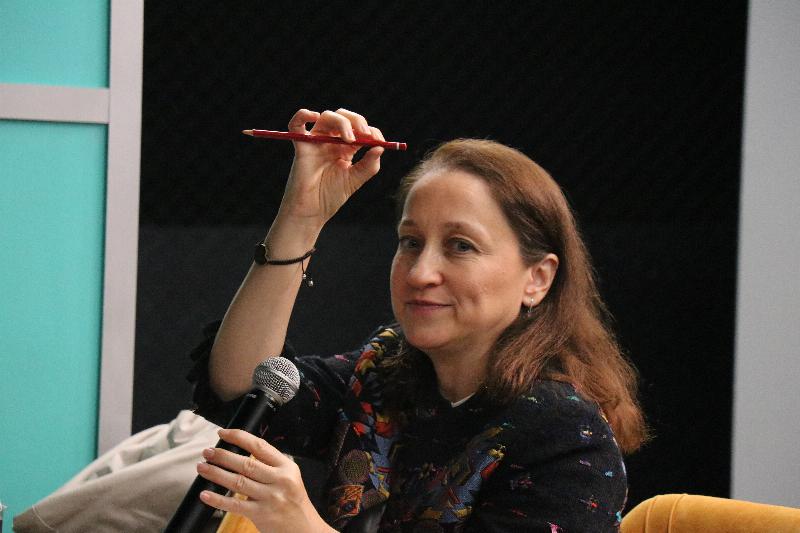
The topic of "The Past and Present of News Broadcasting", organized by the Üsküdar University Faculty of Communication within the scope of the University Culture course, received great interest from students.
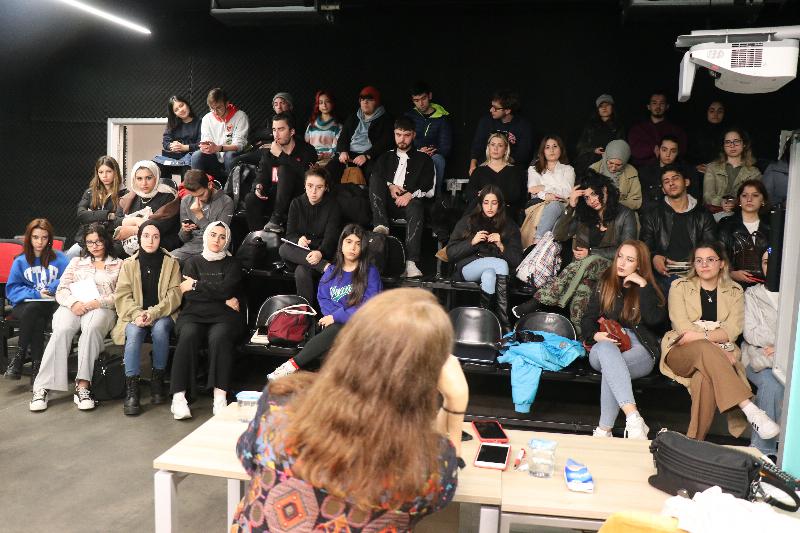
"Impartiality is very important in news"
TRT Announcer Feryal Ardal, stating that making announcements from the scene adds dynamism to the news, said; "Impartiality is very important in news. We do not reflect it as if we are taking sides and supporting it; we say, 'this is what was claimed.' This prevents you from having trouble. Because otherwise, you become biased, and impartiality is very important. Style is very important in news. For example, even in daily life, how you say something is very important. You can say anything, but how you say it matters. I recommend making announcements from the scene because everyone sees you doing it on television. A news story without an announcement, okay, maybe your name, cameraman, reporter are written at the bottom, but it passes quickly. But when you make an announcement, even a single sentence, within the news, you are seen, your parents watch and are happy to see you on TV, and the audience also sees who the news belongs to. You become recognized, your face becomes known, you become familiar. It also adds dynamism to the news. Announcements are very important. They are engaging, short, and clear."
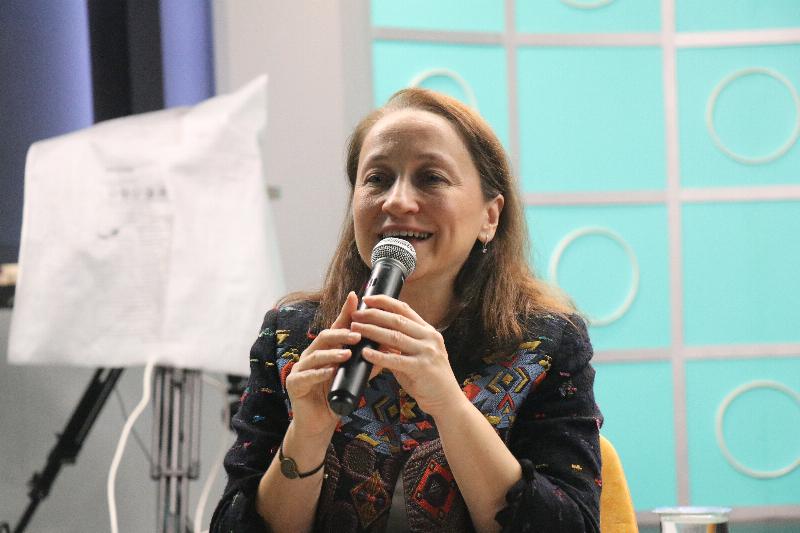
"Even if they are an expert on the subject, they should explain it fluently"
Ardal, touching upon the importance for broadcasters that guests speak in an understandable and clear language that everyone can grasp, said; "From time to time, we invite guests to programs and conduct interviews. No matter how much of an expert on the subject they are, or how much they know, if they cannot explain what they know in an understandable, clear, and fluent way that everyone can grasp, I advise you not to invite that guest to the broadcast unless absolutely necessary. If you are trying to extract words from that guest's mouth with pliers, it is a very difficult thing for the broadcaster. Of course, certain duties also fall upon the broadcaster. Mastering interview techniques, not asking closed questions; we will ask open-ended questions. The answer to our question should not be yes or no. When a guest gives a very brief answer and stops after one sentence, the broadcaster finds themselves in a very difficult situation. The broadcaster is left with just having asked a question."
"Excitement gains nothing for a person, it only causes loss"
Ardal, mentioning the importance of using the diaphragm when reading long texts, stated; "Sometimes in other universities, they ask how we overcome our excitement. There's a camera in front of you, no one else is there, you look and speak, you speak slowly with your microphone, you speak beautifully. Don't fall into the thought that 'so many millions of people are listening to me, watching me.' Excitement gains nothing for a person, it only causes loss. There will always be a small trace of excitement within us; without it, the love, affection, and respect for the profession would be lost. Breathing is important; there are breathing techniques such as diaphragm breathing, chest breathing; we also distinguish between head voice and chest voice. Using the diaphragm while reading long texts greatly relaxes us. If you are reading the news, it's one thing, but if you are presenting a program, it's quite different. Because we ask a question, make a brief introduction, and then discuss the topic."
The event concluded after participants' questions were answered.
Share
Update Date: March 01, 2026
Creation Date: November 11, 2022
Request a Call
Other News
- Social responsibility courses moved to the field
- Erasmus+ Orientation Week completed at Üsküdar
- Prof. Nevzat Tarhan: “Brain secretes ‘dark glue’ in social media lynchers!”
- Prof. Nevzat Tarhan: “Every segment of society should be able to say, ‘This constitution is my constitution!’”
- OHS releases guide for safe operation of industrial robots