The Unending Pandemic: Long Covid
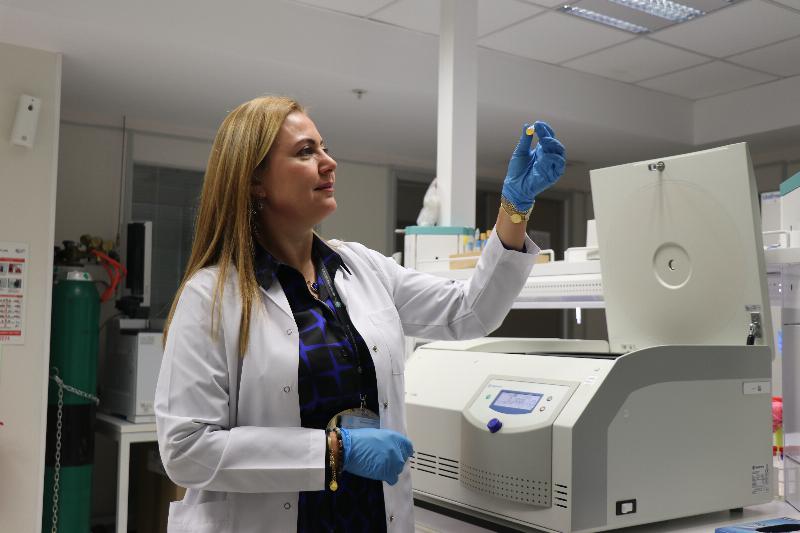
While the Covid-19 pandemic has slowed down compared to previous years, a "silent pandemic" still persists globally: Long Covid or Prolonged Covid... After 3 years, we have realized that the disease is not just a flu, it doesn't just come and go like a flu, and some complaints can last for months. After Covid, many people experience sudden heart attacks, heart disease, persistent lung infections, coughs, kidney disease, joint and rheumatic diseases, rashes, skin lesions, but also very serious nerve damage. We are seeing an increasing incidence of strokes, epilepsies, previously non-existent neurological findings, widespread or localized pain that doesn't go away, personality disorders, psychiatric cases, temporary hallucinations, hearing and vision loss, and ongoing taste and smell disorders. In short, this disease can leave permanent damage in us.
Covid: A Disease That Damages Genes
Stating that Covid-19 is not only a viral disease but also a permanent infection that damages genes, Prof. Dr. Erçelen said, "The virus can attach its genetic structure to our bodies, disrupting the control of the immune system with its genomes, thereby causing a disease against ourselves and affecting all systems it targets. That is why, even if Covid passes, its side effects continue as Prolonged Covid."
Prof. Dr. Erçelen stated that during Covid infection, the body's own immune cells went out of control against the human body, adding, "In our experience to date, we have learned that Covid cannot be treated with old-system drugs. Because a virus that causes system breakdown can only be treated with another drug that can control the entire system, and these are biological drugs. During the intense period of infection, we treated the disease with stem cells. In the treatment, we used mesenchymal stem cells, which are distributed throughout the circulation, spread within the body. These are cells that immediately act and provide healing when a situation that could harm the body arises. When a mesenchymal stem cell enters the body, it works like the internet. It recognizes and goes to the molecules secreted by out-of-control immune cells, which are produced in excessive amounts to harm the body against the virus. It establishes a signal link between its own stem cell code and the immune system stem cell, correcting the out-of-control genomic structure of the immune system. However, in some cases, the doses are insufficient, and they may not be able to act immediately. We and other groups turned these cells into drugs and administered them to patients, and with the high recovery rates observed, along with studies from other groups worldwide, stem cell therapy has become a drug option for Covid." Prof. Erçelen stated that many people worldwide were paralyzed, died of heart attacks, and suffered from persistent diseases that diminished their quality of life after Covid infection. She added, "Long Covid has become the new problem facing the world. That's why, after successfully using stem cells as a treatment drug, we started studies to see if we could use them preventatively. We obtained the necessary permits from the Ministry. We are comparing the patient group treated with stem cells with the patient group treated without stem cells. We will look at which group has more side effects, and in which ones they have disappeared. This study will last 6 months to 1 year. It is a large study where academics from many scientific fields treating the effects of Covid will work together, and some of the genetic studies will be conducted at Üsküdar Üniversitesi Pharmacogenetics Laboratory.
Hope for a New Cell Therapy to Replace Vaccines Emerges
Prof. Dr. Erçelen explained that while vaccines are effective against viruses, effective vaccines are sometimes insufficient because viruses constantly change, saying, "In this situation, we set out to plan a new protective cell therapy that can fight against all viruses and provide the opportunity to fight against future diseases. We need to scientifically prove this. Turkey's infrastructure and legal regulations are very suitable for this. We are a lucky country. We will continue our work in our R&D laboratory and pharmacogenetics laboratory, starting immediately after these results."
Collaboration Offer from Mayo Clinic
Prof. Dr. Erçelen pointed out that these studies are a first in the world, stating, "That's why there are very serious clinics that want to collaborate with us. We can now name them. Mayo Clinic is one of them."
Guiding Stem Cell Therapies in the World's Top 10
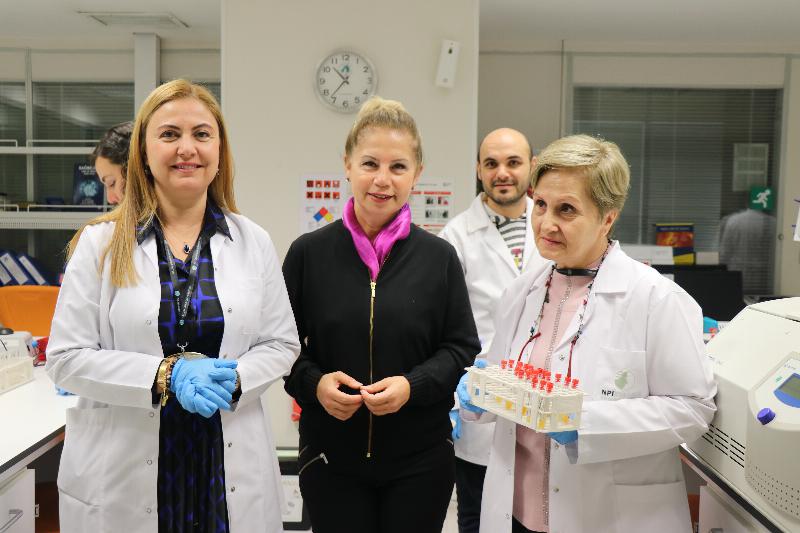
Prof. Dr. Nesrin Erçelen and her team are one of the groups conducting stem cell therapies that enabled stem cell treatment to become a drug and treatment option for Covid worldwide. Among 1200 studies conducted globally, the study by Erçelen's group, which ranked in the top 10, shows that over 80% success was achieved in treatment given during a cytokine storm, and 40% success in intubated patients. Prof. Dr. Erçelen pointed out that there are hundreds of patients who received stem cell treatment in Turkey, stating, "We followed 210 of these patients before and after their treatment. Globally, there are 10 such monitored, controlled studies that demonstrated no harm and benefit, and one of them is ours. In this way, there are 734 patients who received standard treatment with specific doses and were followed up, 210 of whom are ours. This means we have treated one-third of the patients worldwide who received standard stem cell treatment and benefited from it."
Preventive Medicine at Work: We Can Live Up to 140 Years
Prof. Dr. Nesrin Erçelen stated that the 21st century we live in is an age of biotechnology and genetics, adding, "In the Human Genome Project, the entire DNA code of an individual was deciphered, and in 2000, medicine became personalized. Based on this, we can distinguish one person from 8 billion others worldwide. We can plan special healthcare services for them, choose the doses and types of specific medications, and if possible, we now have the opportunity to measure a person's inherent risks and treat them before a disease even emerges. For this reason, if we can utilize these preventive treatments, we can now say that human lifespan can medically reach 140 years and be of higher quality. Our genetic makeup accounts for 40% of disease manifestation. However, environmental factors that affect our genetic structure, which we call epigenetics, including what we eat and drink, hormones in the womb, air pollution, the medications we use, and our habits, affect our DNA by 60%. Therefore, if we know our risks and can determine both preventive treatment and healthy conditions for ourselves accordingly, we can extend our lifespan, reduce aging, and enhance our healthy life. This is what we call preventive medicine, or preventative medicine."
Health and Genomic Medicine: A State Strategy
Prof. Dr. Erçelen: "We have seen that major pandemics like Covid affect the economy, defense, social life, and our future. Genomic science is not only about humans but about all living things, plant species, climate, and future droughts. Therefore, our government, academia, and private institutions need to embrace this issue more intensively. The world's 5 richest people founded biotechnology companies two years ago, which are the largest-budgeted companies ever established... both revenue-generating and strategic."
Türkiye Gazetesi

