

Üsküdar Üniversitesi Faculty of Communication is organizing the 8th International Communication Days this year, with the main theme being “Crisis Communication in the Digital Age.” The symposium, which addresses problems and crisis management methods that emerged during the pandemic and will continue today and tomorrow, brings together academics from various universities around the world in 30 sessions. Many topics that have been frequently on the agenda during this period, from digital obesity caused by increased technology use, to health journalism whose importance has been re-understood, crisis communication on social media, the impact of the WhatsApp privacy agreement crisis on users, and data security, are being examined by experts. Psychological TV series such as “Bir Başkadır,” “Kırmızı Oda,” and “Masumlar Apartmanı,” which were among the most-watched during the pandemic, are also among the topics to be discussed during the communication days.
Content
Communication World Shaped by Pandemic Discussed at 8th International Communication Days
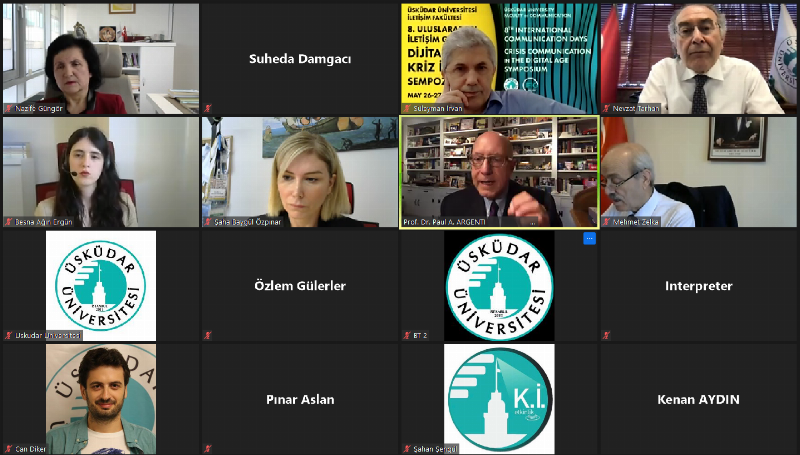
The main theme of the 8th International Communication Days, organized annually by Üsküdar University Faculty of Communication with a different theme, has been determined as 'Crisis Communication in the Digital Age'. The symposium, organized online due to the pandemic, features academics from many universities both domestically and internationally, as well as nationally and internationally renowned invited speakers. With over 300 presentations, the symposium touches on various topics, presenting new research that will help participants adapt to changing communication models and the shifts brought by the Covid-19 pandemic.
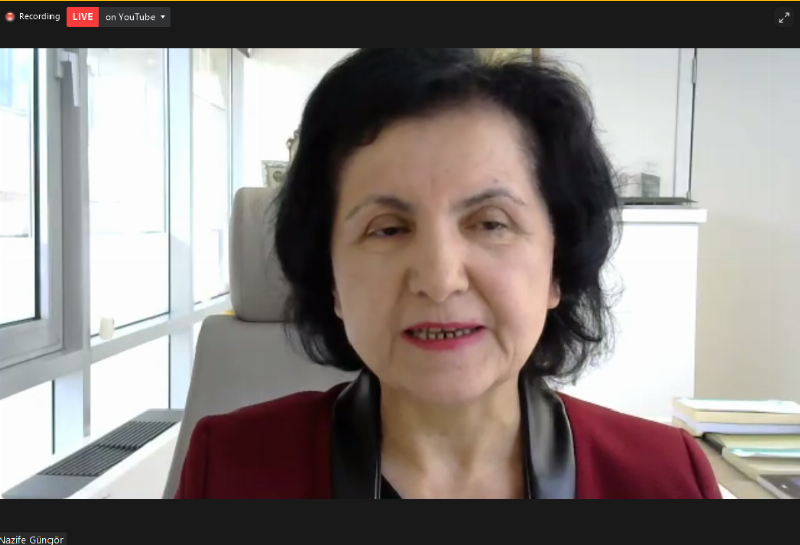
Prof. Dr. Nazife Güngör: “Important duties fall to us communicators”
Prof. Dr. Nazife Güngör, Head of the Symposium Organizing Committee and Dean of Üsküdar University Faculty of Communication, stated that crisis management was needed in every aspect of life during the pandemic, saying, “Therefore, a great responsibility fell to us communicators and the communication community. Because in such situations, it is essential for communicators to analyze changes and new methods to keep society morally calm, address various professional groups, and alleviate panic. Consequently, it became inevitable for both the media sector to effectively focus on crisis management and for communication academics to express opinions and conduct research on this matter. The world transformed into a complete laboratory. Therefore, we wanted to discuss the topic in its various dimensions on a broad platform at this symposium.”
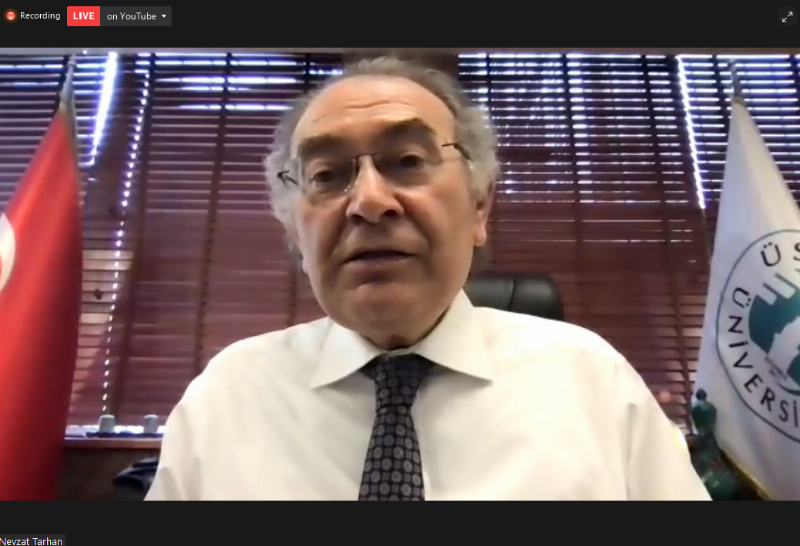
Prof. Dr. Nevzat Tarhan: “The strongest point of a crisis is its weakest link”
Prof. Dr. Nevzat Tarhan, Honorary Chairman of the Symposium, Founding Rector of Üsküdar University, and Psychiatrist Prof. Dr. Nevzat Tarhan, in his opening speech at the symposium, stated that crisis management is generally formed by the position one takes against the crisis and how one reacts, saying, “Life is like a chain. If you ask where the strongest point of a crisis is, it's its weakest link. In crises, breaks occur at these links. However, those who are prepared overcome the crisis more healthily, and those who react quickly and take the right position overcome the crisis more easily.”
Media is discussed in all its aspects
On the second day of the symposium, which continues today, sessions titled “Crisis Journalism: Media, Representation and Ethics,” “Media, the Other and Violence,” and “Media, Representation and Discourse” will be held. Presentations such as “Presentation of Online Sexual Violence Through News,” “Tracking Human Rights Violations in News Regarding the Covid-19 Pandemic: Representation of Children, Youth, Elderly, and Refugees in News,” and “Pandemic Journalism During the Pandemic Period” will be made. In the session titled “Vaccine, Coronaphobia, and Media,” presentations on “Health Journalism During the Covid-19 Process: An Examination Through Main News Bulletins” can be watched.
In the session titled “Crisis and Strategic Media Management,” presentations such as “Users' Social Media Usage Motivations and User-Generated Content During the Pandemic: The Clubhouse Example” and “Social Media as an (Attractive) Element of Crisis: A Current Example Regarding the TikTok Application” are among the noteworthy presentations.
TV Series also discussed
In the session titled “Cinema and New Viewing Experiences During the Pandemic,” “Crisis in Communication Sciences,” the presentation “Representation of Women in the Context of Gender Through the Series 'Bir Başkadır' Based on the Digital Media Series Example”; “Psychological Counseling via Digital Media Covid-19 Pandemic: Analysis of the TV series “Kırmızı Oda” and “Masumlar Apartmanı” presentations are drawing the attention of participants.
Is Digital Obesity a Side Effect of the Covid-19 Crisis?
On Friday, May 28, the third and final day of the symposium, the session titled “Surveillance, Supervision, and Privacy” will discuss “The Impact of the WhatsApp Privacy Agreement Crisis on Users.” In the session “Transforming Consumption Habits During the Pandemic,” sessions titled “Side Effect of the Covid-19 Global Crisis: Digital Obesity” and “Neuromarketing Analysis of Popular E-Commerce Marketplaces in Turkey Using AI Eye Tracking Method” will also be available.
Sessions on
Share
Request a Call
Other News
- The book that read today's digital threats in 2014: Being a Conscious Family
- Experts warn: 'Instead of memorizing letters, teach pencil grip, scissor use, and coloring'
- School fear and school love both start in the family!
- Family is not merely transforming, it is being battered under a serious assault
- Artificial intelligence opens the door to early diagnosis in autism!