

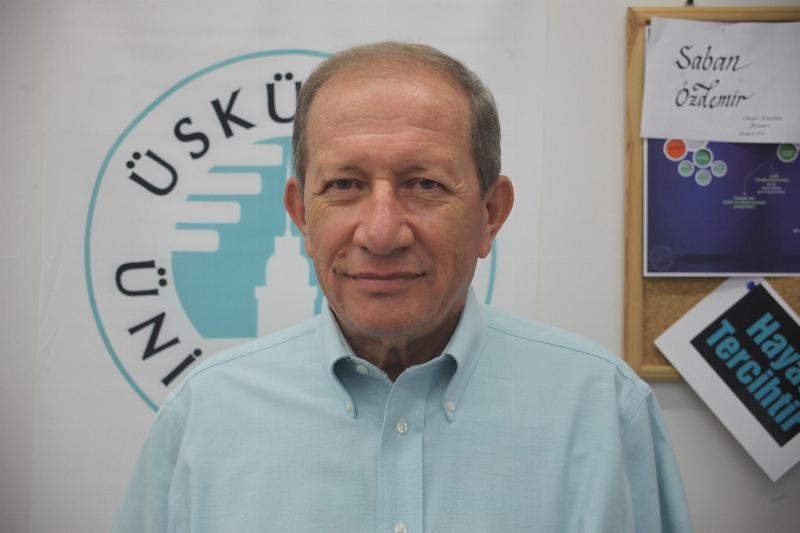
Üsküdar University Faculty of Medicine Department of Mental Health and Diseases Lecturer Prof. Dr. Muzaffer Çetingüç, wrote an article on “Rules of Courtesy and Conduct in Aviation.”
Content
Rules of Courtesy and Conduct in Aviation
Passengers who have to share a narrow and enclosed cabin environment for a certain travel duration should maintain an attitude of respect and courtesy towards each other and the flight crews. Since those who are disturbed have no opportunity to leave, they are faced with either enduring this torment or engaging in unpleasant arguments. Air travel etiquette (Airplane Etiquette) begins with adhering to security checks upon entering the airport and the aircraft; it continues with following in-flight rules. Being polite and respectful to other passengers and cabin crew; applying unwritten rules such as helping women, the elderly, and children is not difficult at all. Furthermore, this peaceful atmosphere can reduce flight anxiety.
Impolite behaviors on an airplane can be categorized under the following headings:
- Flight safety threats: Using prohibited electronic devices such as mobile phones,
- Disturbing behaviors: Impatiently pushing other passengers during boarding and deplaning, smoking, excessive
alcohol consumption leading to unruly behavior, inappropriate and rude behaviors such as sexual harassment,
- Violation of other passengers' rights: Bringing excessive personal items into the cabin and causing congestion, occupying restrooms for extended periods (bathroom etiquette), continuously reclining one's seat and narrowing the movement space of those behind, blocking narrow aisles (yoga, prayer, stretching feet), condoning children's unruly behavior, unauthorized photography, etc.
- Noise: Laughing loudly, talking, singing, shouting,
- Odors: Eating strong-smelling foods, flatulence, emitting foot, sweat, heavy perfume odors,
- Flying while ill: Spreading infectious diseases through coughing and sneezing, not wearing a mask during epidemics,
- Hygiene: Soiling seats, armrests, tray tables, floor carpets, and restrooms on planes…
Famous model Naomi Campbell, known for her germ and hygiene obsessions (germophobia, mysophobia), is also famous for her pre-flight cleaning rituals. Her habit of putting on a mask and gloves, then wiping everything she touches (seat, table, sidewalls, monitor, etc.) with antiseptic wipes, and covering her seat with a cover, has continued for years. The Coronavirus pandemic largely justified the model's hygiene ceremony. What was once mockingly viewed as the actions of a patient with obsessive-compulsive disorder has almost become routine for the model.
- Racial discrimination: This is more than just impoliteness; it is a demeaning behavior produced by distorted minds. It is surprising that the discrimination mostly directed at Black people in the past (apartheid) continues in modern times, and that this comes from Western countries that see themselves at the center of civilization. Examples of attitudes that exclude Black and East Asian races (racism), demean Jews (antisemitism), consider Turks barbaric (Turcophobia), and label all Muslims as terrorists (Islamophobia) are also observed on planes of 'Western' countries. (In the Western world, discrimination was applied against Black people becoming pilots, and this right was not granted to Black individuals. The first Black military pilot was Ahmet Çelikten, nicknamed 'Arap', who served in the Turkish Air Force.)
- Gender discrimination: In the past, attitudes similar to racial discrimination also existed for women. Due to sexist prejudices (sexism) that women could not be good pilots, the doors of military and civil aviation were closed to women. Fortunately, this perception has been broken by pioneering women aviators and egalitarian leaders who found male hegemony unjust. Today, although emotional reactions (homophobia, transphobia) for homosexual and transgender individuals have not ended, legal barriers have been removed.
Case studies
A woman who did not want to sit next to a Black passenger: On October 14, 1998, on a flight from the USA to Europe, a female passenger told the flight attendant that she "was uncomfortable sitting next to a Black person" and requested a seat change. The flight attendant soon approached the man and said, “No passenger is obliged to sit next to another passenger who causes a problem. Sir, would you please come with me so I can take you to your Business Class seat? The captain pilot asked me to apologize to you for having to experience such disrespect.” While the passengers applauded this courteous gesture, they also protested the rude woman…
Insulting Black passengers: On October 22, 2018, on a Ryanair flight from Barcelona to London, an elderly man told a Black woman he did not want her sitting next to him; he called her an ‘ugly Black person,’ told her to move, and threatened to push her… In the same year, a flight attendant working for British Airways published a Snapchat video using racist remarks about Black people on a flight to Nigeria.
Continuously the same song: In 2013, on an American Airlines flight from Los Angeles to New York, passengers complained about a woman continuously singing Whitney Houston's "I Will Always Love You" loudly, leading the plane to land in Kansas City and the woman being taken into custody.
A thoughtful gesture from a mother with a baby: A Korean woman, boarding a plane for a 10-hour North Korea-California journey with her 4-month-old baby, prepared a 'crying noise kit' for the 200 passengers on board. Inside the transparent packages left on the passengers' tables were earplugs, candy, chocolate, and a note written from the baby's perspective. The note read: “Hello, my name is Junwoo. I am 4 months old. Today, my mom and I are going to visit my aunt in the USA. I might make some noise during the trip. That's why my mom prepared a package with candies for you. There are also earplugs; please use them if I get too loud. Have a good journey.”
Baby passenger warning: In 2019, a Japanese airline launched a booking system that gives customers the option to avoid sitting near small children. A warning symbol is affixed above the seat of passengers who will be traveling with a child under 2 years old in one of the adjacent seats. Although solving the problem is full of difficulties, the company's consideration for passengers who might be disturbed is appreciated as a courtesy.
The plane flew for a single passenger: On August 14, 2019, a passenger named Vincent Peone, who was traveling from New York-Aspen to Salt Lake City, flew alone on a connecting Delta flight operated by SkyWest Airlines. Despite having no other passengers, the company did not cancel the flight and demonstrated its respect for its passengers. The passenger joked, “This is my private jet.”
Drunken pilot's apology in Japan: On October 28, 2018, before a Japan Airlines London-Tokyo flight, the third pilot of the aircraft was subjected to an alcohol test following a tip-off from the bus driver transporting the flight crew and was found to be 9 times over the legal limit (18.9 permille). The pilot was arrested and sentenced to 10 months in prison. JAL officials, without seeking excuses, traditionally bowed and apologized to the passengers and all their customers. (In Japan, medical doctors also respectfully bow and salute the funerals of patients who have donated their organs for transplant to other people, performing a farewell ceremony)…
Company's apology after an accident: In the Diyarbakır plane crash in 2003, 75 people, both passengers and flight crew, lost their lives. On the "Siyaset Meydanı" (Political Arena) program where this accident was discussed on TV, the then-Chief Pilot of Turkish Airlines, İsmail Peker, said, “We apologize to the parents who came to greet their children, to the people waiting to reunite with their loved ones; with this accident, we dashed their expectations…” This virtuous statement was such a good example in the context of aviation culture that it could enter textbooks and was met with appreciation...
Source:
Share
Update Date: February 27, 2026
Creation Date: March 24, 2021
Request a Call
Other News
- Üsküdar University participated in an international exhibition with a child rights perspective
- Solidarity Bazaar for Palestine from Üsküdar Residents
- In additional placements, don't just choose a department, choose the profession of the future!
- 52 Erasmus students from 15 different countries at Üsküdar University
- Visit to Prof. Nevzat Tarhan from the Global Confederation of Civil Society Organizations