

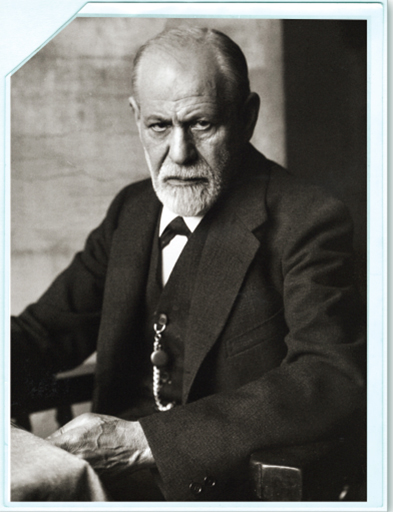

Austrian Neurologist Sigmund Freud is the founder of the Psychoanalytic Theory, who developed the doctrine of psychoanalysis, suggesting that personality develops through 5 different periods.
The Interpretation of Dreams: This is one of Freud's most well-known works. It deals with the role of dreams in human psychology, unconscious thoughts and symbols.
Psychopathology of Daily Life: In this work, Freud examines the psychological causes underlying forgetfulness, misreading and other errors of daily life.
On Sexuality: This work, which deals with his theory on sexuality, includes the concept of libido and the theory of sexual development.
The Restlessness of Civilization: This work examines the effects of society on the individual, the inner conflicts of human beings and the unrest brought about by society.
Beyond the Pleasure Principle: Freud's theory on the death drive and the life drive.
Who is Sigmund Freud?
Sigmund Freud was an Austrian psychoanalyst born in 1856. He is recognized for his work in the field of psychoanalysis and is considered one of the pioneers of modern psychology. Freud was born in Vienna and completed his medical education in this city. He specialized in psychiatry and worked especially on hypnosis. He brought a new perspective to psychology through his own clinical experiences and research.What are Sigmund Freud's Scientific Contributions?
Freud's greatest contribution was the development of the theory of psychoanalysis and the Psychoanalytic Theory. He proposed the concept of the subconscious and tried to understand the underlying causes of dreams and misbehavior. He profoundly influenced modern psychology by studying the psychological origins of human behavior.Scientific Views and Psychoanalysis
Freud emphasized the importance of unconscious processes in analyzing human behavior. He delved deep into the inner world of human beings and investigated the role of traumas, childhood experiences and the subconscious in the formation of personality. He developed therapeutic techniques by trying to understand the mental processes of patients through psychoanalysis.Psychoanalysis Method and Its Effects
The method of psychoanalysis developed by Freud aims to uncover unconscious thoughts and feelings through therapeutic interviews and free association techniques. This method has formed the basis of modern psychotherapy practices and has had a great influence on treatment methods in the field of psychology.What are the works of Sigmund Freud?
Sigmund Freud's works contain important contributions to the field of psychoanalysis and human psychology. It is possible to list some of his important works as follows:The Interpretation of Dreams: This is one of Freud's most well-known works. It deals with the role of dreams in human psychology, unconscious thoughts and symbols.
Psychopathology of Daily Life: In this work, Freud examines the psychological causes underlying forgetfulness, misreading and other errors of daily life.
On Sexuality: This work, which deals with his theory on sexuality, includes the concept of libido and the theory of sexual development.
The Restlessness of Civilization: This work examines the effects of society on the individual, the inner conflicts of human beings and the unrest brought about by society.
Beyond the Pleasure Principle: Freud's theory on the death drive and the life drive.