Researchers presented their work
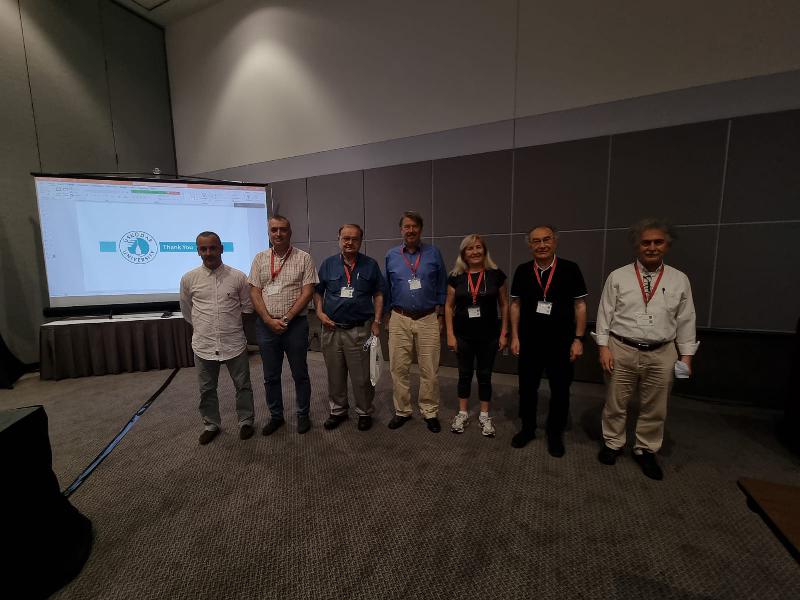
Researchers, led by Prof. Dr. Nevzat Tarhan, who was also awarded the Golden Axon leadership award by SBMT in 2019, gave presentations at the summit on their work related to electromagnetic fields and brain health.
Electromagnetic pollution, magnetic field exposure, and neuropsychiatric effects were discussed
Üsküdar University academicians, who share their knowledge, research, and work in the field of neuroscience with international researchers at conferences they attend every year, now participated in the conference held in Los Angeles between July 08-11 with a research group led by Prof. Dr. Nevzat Tarhan, and gave presentations on electromagnetic pollution, magnetic field exposure, and their neuropsychiatric effects.
On the first day of the congress;
In the session titled “Rising Mental Illness Disorders Related to the Covid19 Pandemic”;
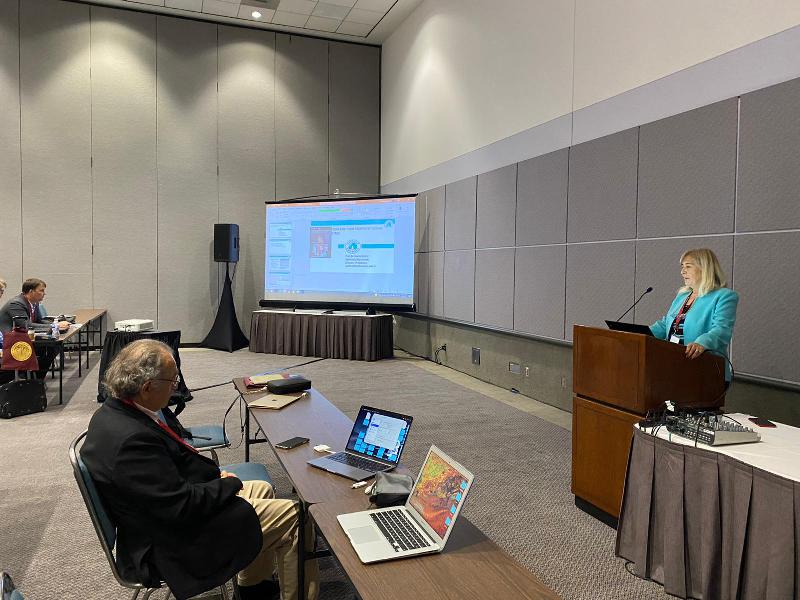
Prof. Dr. Nesrin Dilbaz: “Psychiatric disorders and their treatments during Covid-19”
Prof. Dr. Nevzat Tarhan: “Covid-19 Pandemic and Psycho-Social Consequences”
Assoc. Prof. Dr. Özlem Kızılkurt: “Post-Covid Maturation”
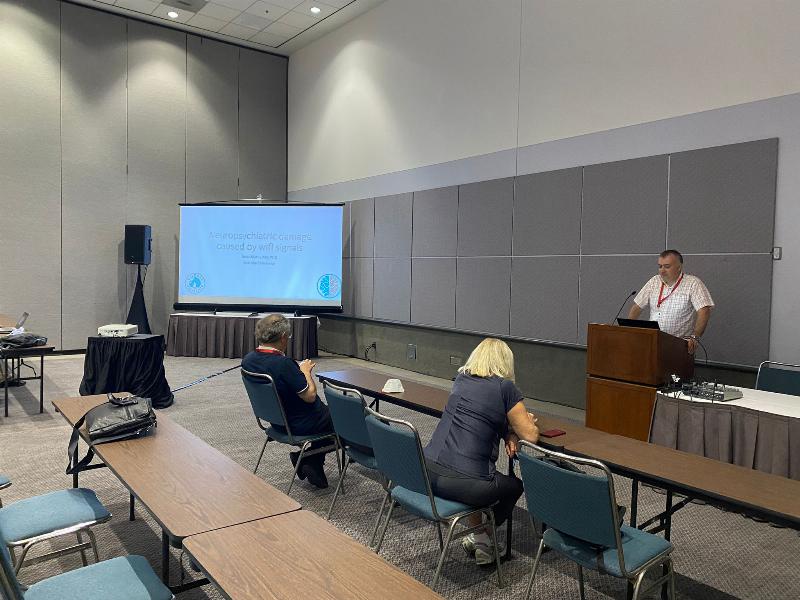
Prof. Dr. Barış Metin gave a presentation titled “Neurological complications and electrophysiological findings during Covid-19 infection.”
In another session within the scope of the congress, Üsküdar University faculty members shared their insights on electromagnetic pollution, magnetic field exposure, and neuropsychiatric effects with scientists from different countries around the world.
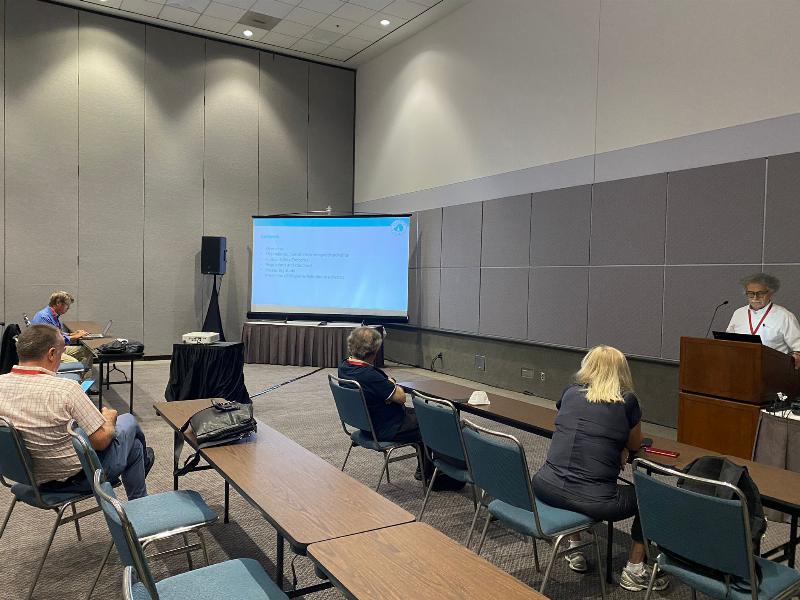
Prof. Dr. Osman Çerezci: “Human Exposure to Electromagnetic Pollution in the living areas” Prof. Dr. Barış Metin: “Neuropsychiatric damage caused by wi-fi signals: Are we overlooking a serious threat”
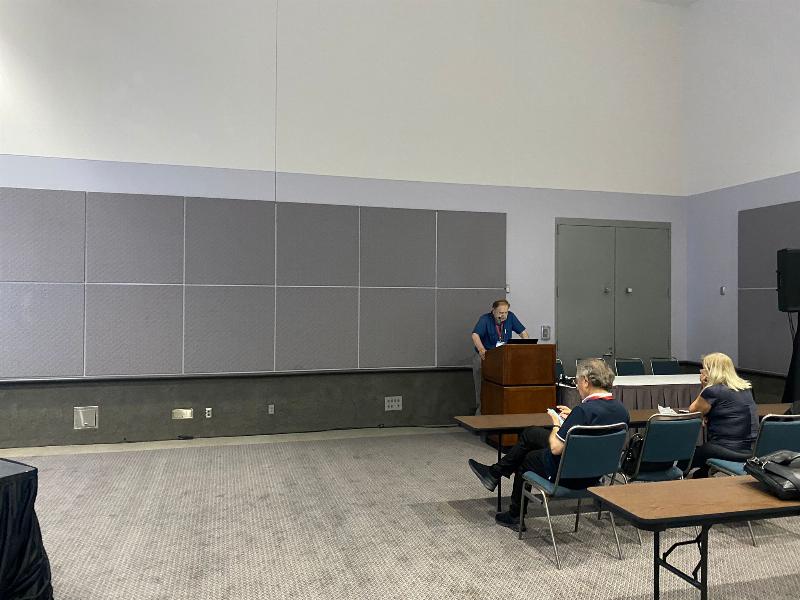
Prof. Dr. Selim Şeker: “Estimating Biological Changes in Human Brain”
Assoc. Prof. Dr. Türker Ergüzel addressed the topics of “Predicting Health Effects of Electromagnetic Pollution Using Fuzzy Logic”.
Researchers from Üsküdar, bringing together scientists from closely related disciplines such as neurology, psychiatry, engineering, biology, and psychology, transforming their academic knowledge into scientific work, evaluated the fundamental functions of the nervous system and changes occurring in disease states using brain imaging methods such as electroencephalogram, magnetic resonance imaging, and functional magnetic resonance imaging. Furthermore, Üsküdar University researchers continue their work focused on discovering neural biomarkers, especially in various neuropsychiatric diseases, and mapping brains in healthy and ill individuals, under the heading of computational psychiatry, in collaboration with international partners.
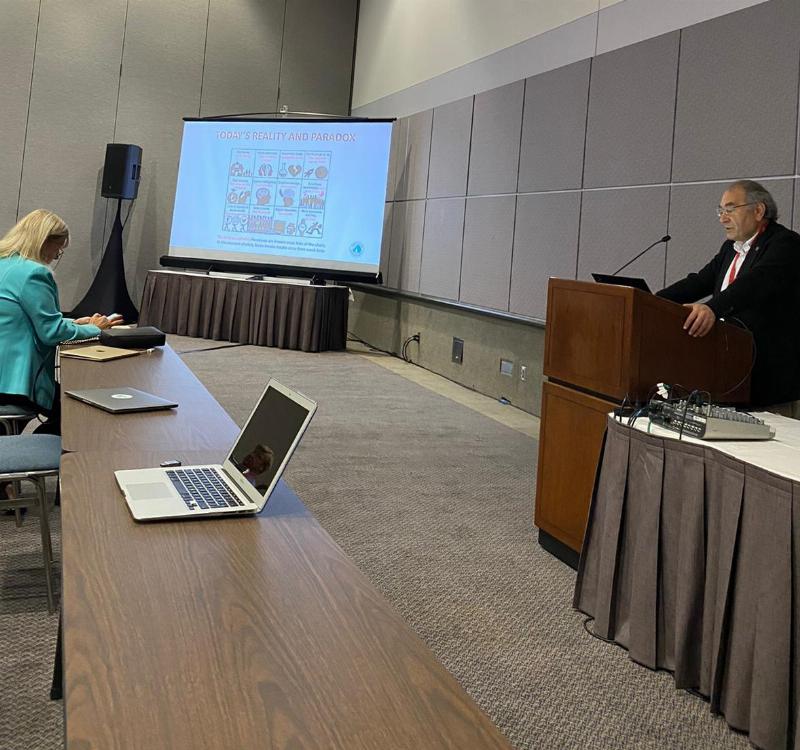
Prof. Dr. Tarhan: “This congress is a multidisciplinary congress that brings together many branches of science”
Prof. Dr. Tarhan, sharing his impressions of the Society for Brain Mapping and Therapeutics – SBMT, stated, “Alzheimer's and addiction issues were discussed at the conferences. The group participating in this congress consists of individuals who also attended the G20 Summit and accompanied it as N20, Neuroscience20. Looking at the presentations during the program held at the Los Angeles Convention Center, the Society for Brain Mapping and Therapeutics emerges as an association that prioritizes treatment, not just diagnosis, bringing together those involved in treatment-related fields using brain sciences. For example, there are innovations in Alzheimer's, innovations in schizophrenia, innovations in substance addiction, and brain surgeons for brain surgery, making it a multidisciplinary meeting. Experts working in various areas of surgery, such as spinal surgery, also participate in this congress. In other words, it is a congress that brings together all areas related to the brain.”
Üsküdar University makes significant contributions to global developments
Üsküdar University and its science and application partner NPİSTANBUL Brain Hospital make significant contributions to developments in the field of neuroscience with its laboratories working in therapeutic brain mapping and neurotechnology, its application and research centers, its trained researchers, and its pioneering scientific contributions.
Our researchers, bringing together scientists from closely related disciplines such as neurology, psychiatry, engineering, biology, and psychology, transforming their academic knowledge into scientific work, also conduct studies investigating the fundamental functions of the nervous system and changes occurring in disease states using brain imaging methods such as electroencephalogram, magnetic resonance imaging, and functional magnetic resonance imaging. Üsküdar University, focused on discovering neural biomarkers particularly in various neuropsychiatric diseases and mapping brains in healthy and ill individuals, continues its work, gathered under the heading of computational psychiatry, with international artificial intelligence-focused collaborations.
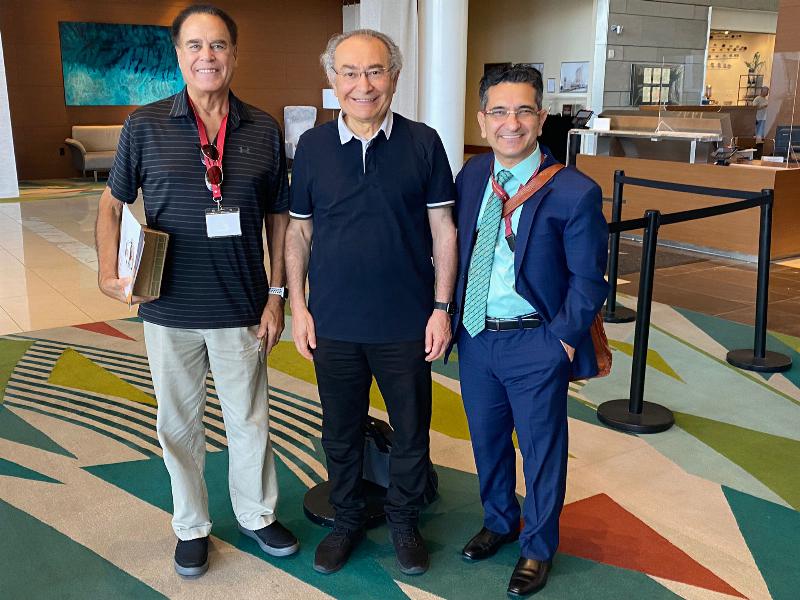
Researchers are being trained at master's and doctoral levels in neuroscience at Üsküdar.
Üsküdar University conducts long-standing academic collaborations with research centers and brain research communities such as The Society for Brain Mapping and Therapeutics (SBMT), American Psychiatric Association (APA), International Brain Research Consortium (IBRC), EEG and Clinical Neuroscience Society (ECNS), and International Society For Neurofeedback & Research (ISNR), in addition to having sixty research articles published in international peer-reviewed journals within the scope of Web of Science (WOS) solely in the field of neuroscience.
Üsküdar University, which trains researchers at master's and doctoral levels in the field of neuroscience in Turkey, continues its studies with its researchers in cognitive neuroscience, clinical neuroscience, neurobiofeedback, neurotechnology, and bioinformatics laboratories, as well as in its application and research centers.