

Academicians from Üsküdar University Faculty of Communication achieved significant success in the AD World Scientist Rankings 2023 results. While Üsküdar University Faculty of Communication Dean Prof. Dr. Nazife Güngör ranked first, Head of Journalism Department Prof. Dr. Süleyman İrvan and Journalism Department Faculty Member Assoc. Prof. Dr. Aylin Tutgun Ünal also placed in the top 10.
Content
Üsküdar Communication Faculty Leads Academia
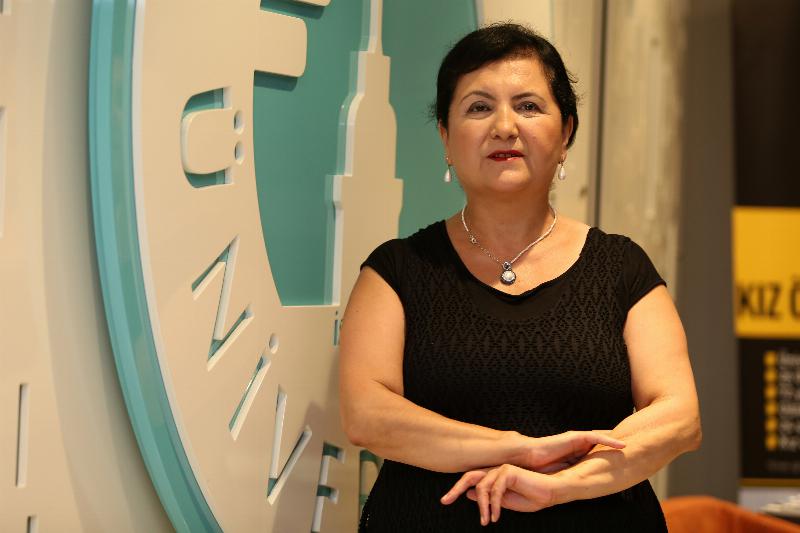
Prof. Dr. Nazife Güngör ranks 1st!
The AD World Scientist Rankings 2023 results, which rank based on Google Scholar data according to citation and publication numbers, have been shared. Üsküdar University Faculty of Communication Dean Prof. Dr. Nazife Güngör, who stands out with her theoretical works in the field of communication, ranked 1st in Turkey in the field of Journalism and Media within the AD World Scientist Rankings 2023 index.
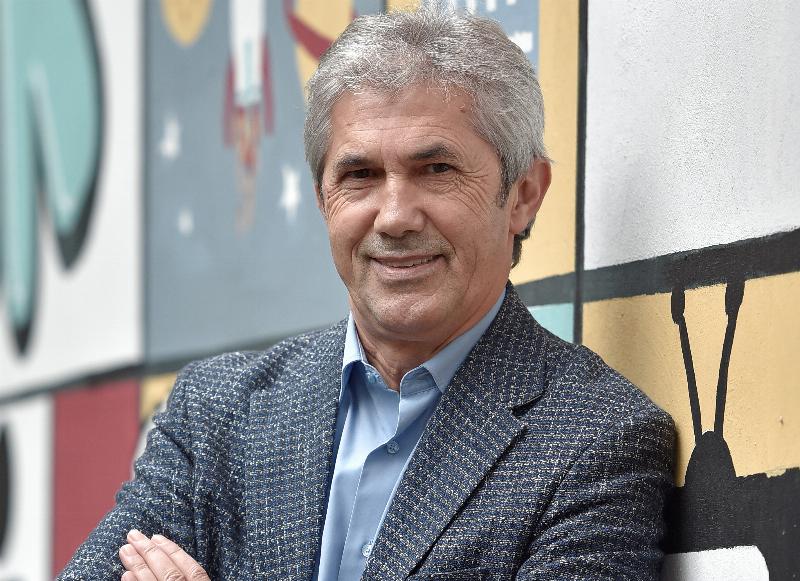
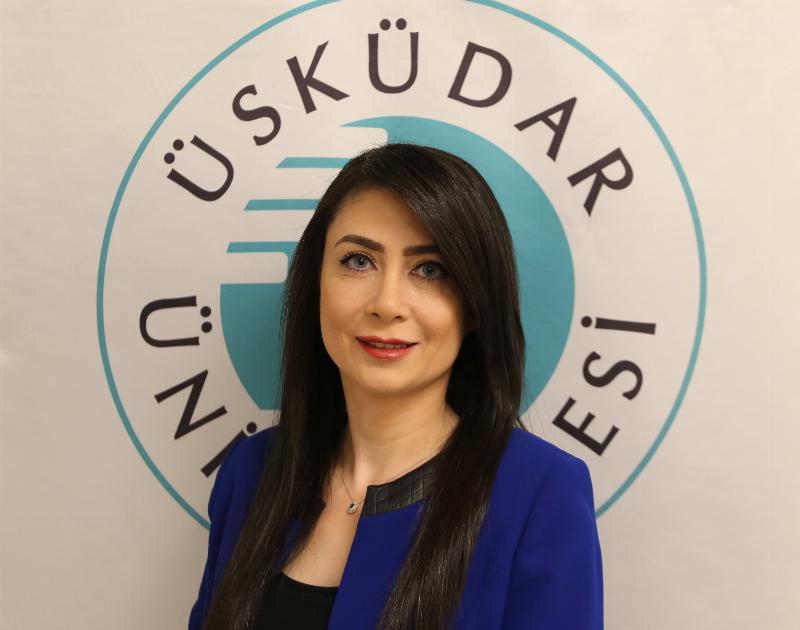
Prof. Dr. Süleyman İrvan and Assoc. Prof. Dr. Aylin Tutgun Ünal in Turkey’s top 10…
Similarly, in the AD World Scientist Rankings 2023 index, in the field of Communication, Head of Journalism Department Prof. Dr. Süleyman İrvan and Journalism Department Faculty Member Assoc. Prof. Dr. Aylin Tutgun Ünal also achieved significant success, placing in the top 10 in Turkey.
In many fields, 62 different academicians from Üsküdar University Faculty of Communication were included in the AD World Scientist Rankings 2023 index.
What is AD World Scientist Rankings?
While the AD World Scientist Rankings results are determined based on H-index, i10-index, and citation count, considering productivity coefficients for total and last five years, these reports, which also include rankings and evaluations of scientists in universities, regions, the world, main fields, and branches, despite being a new study, are attracting great interest in the scientific community.
The study, which includes data from nearly 200 countries and over 10,000 universities, covers Agriculture and Forestry, Arts, Design and Architecture, Business and Management, Economics and Econometrics, Education, Engineering and Technology, History, Philosophy, Theology, Law / Law and Legal Studies, Medical and Health Sciences, Natural Sciences, and Social Sciences, along with 226 sub-disciplines supporting these main categories. The study makes significant contributions to universities in finding scientific partners and fostering scientific collaboration. The most widely accepted of the indices is known as the H-index. For the H-index to be high, an academician must publish a large number of articles and their articles must receive a large number of citations.
Share
Update Date: March 01, 2026
Creation Date: October 03, 2022
Request a Call
Other News
- Prof. Nevzat Tarhan: “Those with a mental filter are not afraid of the digital”
- Artificial intelligence doesn't eliminate the translator, it transforms their expertise!
- Social responsibility courses moved to the field
- Erasmus+ Orientation Week completed at Üsküdar
- Prof. Nevzat Tarhan: “Brain secretes ‘dark glue’ in social media lynchers!”