

A panel titled “The Art and Practice of Care” was organized by the Department of Nursing, Faculty of Health Sciences at Üsküdar Üniversitesi. Assoc. Prof. Dr. Emine Kol and Res. Asst. Dr. Fatma Dursun Ergezen, along with Res. Asst. Ayşegül Korkmaz Doğdu, faculty members from Akdeniz Üniversitesi Faculty of Nursing, participated as guests in the panel.
Content
“The Art and Practice of Care” in the Nursing Profession Discussed
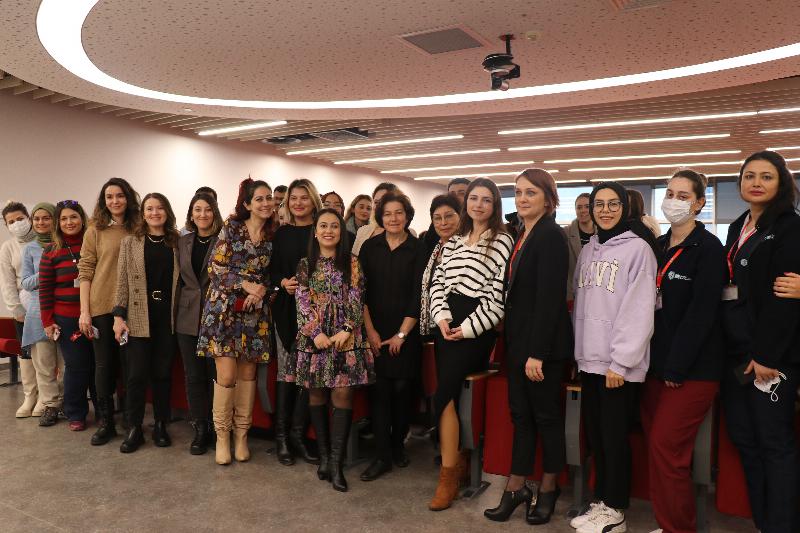
Prof. Dr. Selma Doğan, Head of the Department of Nursing, Faculty of Health Sciences at Üsküdar Üniversitesi; Prof. Dr. Güler Cimete, Head of the Department of Midwifery, Faculty of Health Sciences; and Prof. Dr. Sebahat Ateş, a faculty member from the Department of Nursing, along with academics and students from the nursing department, attended the event held at the Galenos conference hall of NP Health Campus.
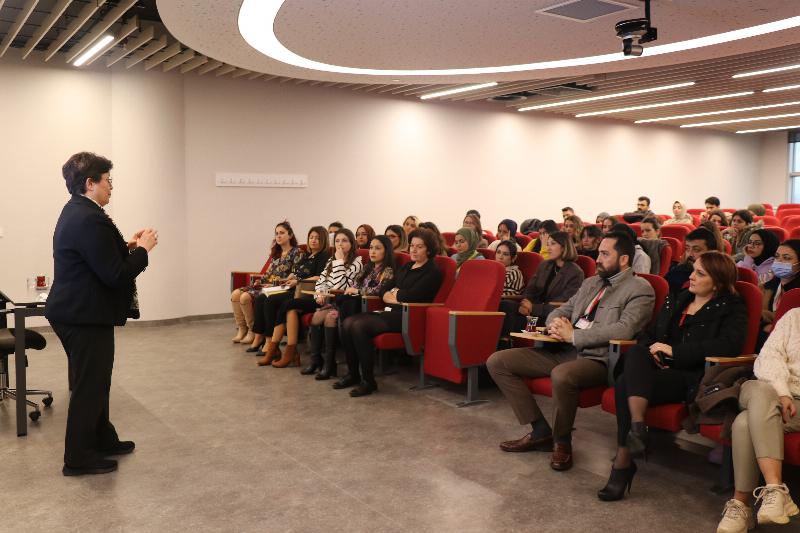
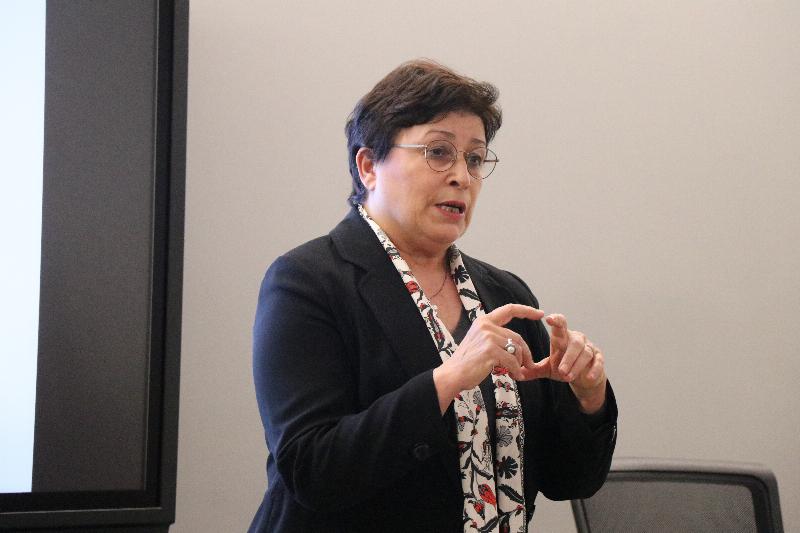
Prof. Dr. Selma Doğan: “Mental transformations are needed”
Prof. Dr. Selma Doğan, Head of the Department of Nursing, Faculty of Health Sciences at Üsküdar Üniversitesi, moderated the panel and delivered the opening speech. Doğan stated; “This topic is truly very important, it is our core issue. For us as nurses, it is crucial to establish our presence more clearly, especially to internalize this in our own minds. Our main task is to exhibit strong nursing practice in the environments where we operate in this country, supported by our other skills. From now on, we will, and we must, talk more about care. How much can we diversify the dimensions of care? Is care the old care we understand? What does care mean philosophically, in particular? The most important thing that will make us strong as a profession is to clearly know our own boundaries and try to keep them wide. Nursing, as a care profession, needs to expand its scope of care. For this, mental transformations are needed.”
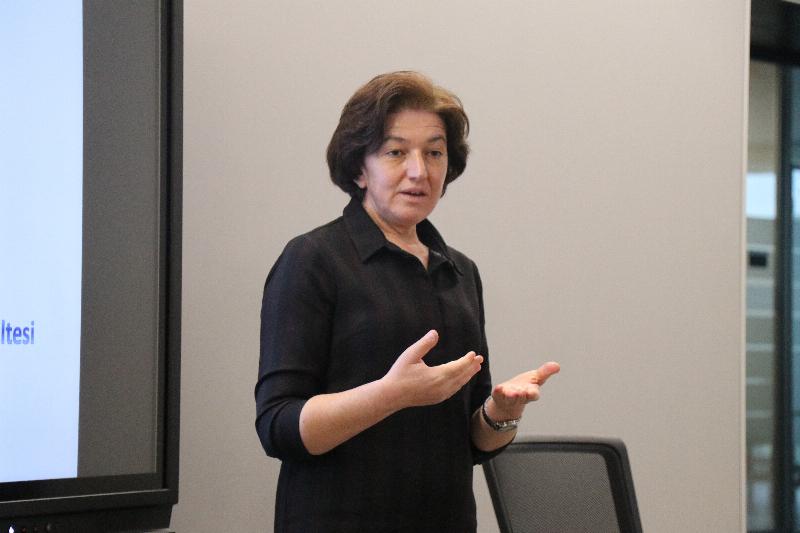
Assoc. Prof. Dr. Emine Kol: “Care is something that will give us identity”
Assoc. Prof. Dr. Emine Kol, a faculty member from Akdeniz Üniversitesi Faculty of Nursing, delivered a presentation titled “Consciousness of Care”. Kol stated; “In every phenomenal experience, I have a consciousness. Obtaining information is certainly possible with reason, but is reason alone sufficient? A bit of emotion is also needed. If we experience wanting that information, finding oneself there, crying, rejoicing, being sad, then it stays. Otherwise, it doesn't settle. What does a nurse do? Knows cells, knows organs, manages the patient's wishes. When you think of an intensive care nurse, for example, the patient needs to eat. Do they eat when you bring it with a spoon and plate? Doesn't the nurse explain to them why they are eating, that is, why it is necessary? So, a nurse is also present in the dimension of meaning. It's the same for ourselves. Let's say we are hungry now. We don't just eat whatever we find, do we? We want to eat with our loved one, we want to eat by the sea. This is the meaning of life, but the nurse does that too. It's hard to define something so complex. We receive education somewhat fragmented. Because it's fragmented, we struggle to integrate it with the living being in front of us. Nursing is a person who performs certain tasks, in certain places, according to certain instructions. It is duty, task-oriented. That's how it's known. However, what we call care is actually what will save us. It is something that will give us identity.”
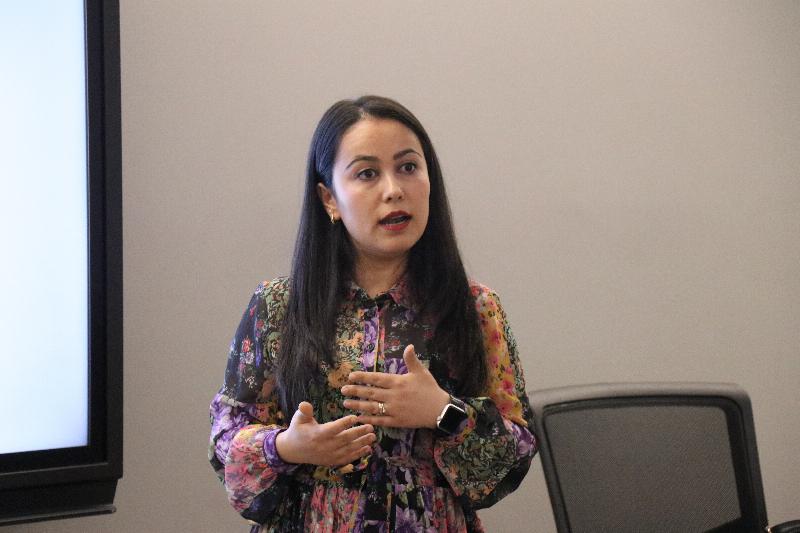
Res. Asst. Dr. Fatma Dursun Ergezen: “Intentionality reflects the human way of being”
Res. Asst. Dr. Fatma Dursun Ergezen from Akdeniz Üniversitesi Faculty of Nursing delivered a presentation titled “Intentionality in Care”. Res. Asst. Dr. Fatma Dursun Ergezen stated; “At its most basic, it is considered a characteristic that takes healing as the focus of the nurse's care process, influencing the nurse's choices, goals, and actions. What we call intentionality is actually considered a concept related to consciousness. Intentionality reflects the human way of being. The priorities you set in mental processes are also prioritized during action. In the care relationship, it differs for every individual, every nurse. Each nurse's style is also different. One nurse cares for a patient for 16 hours, another for 8 hours, but the dimension they approach it from is different for each. The nurse's way of being, free will, meaning-making, experiences, and definition of the situation are all aspects that shape actions.”
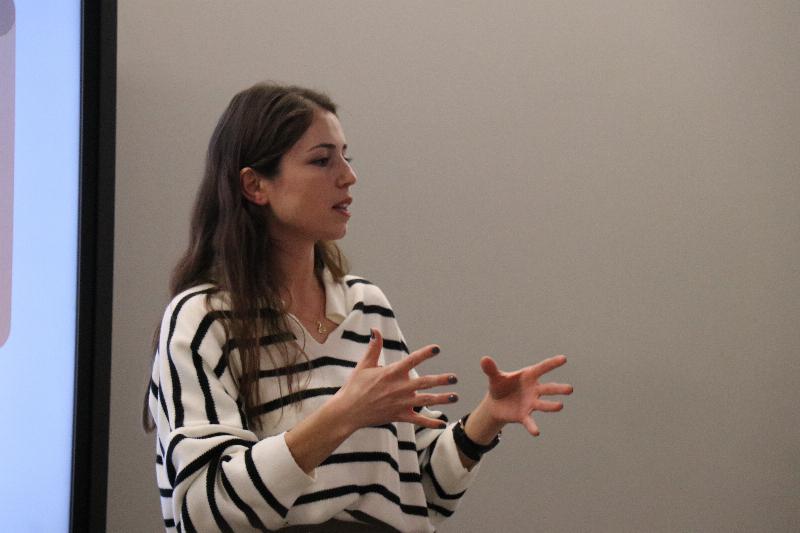
Res. Asst. Ayşegül Korkmaz Doğdu: “Not every nurse provides the same care”
Res. Asst. Ayşegül Korkmaz Doğdu from Akdeniz Üniversitesi Faculty of Nursing delivered a presentation titled “Aesthetic Sensitivity in Care”. Res. Asst. Ayşegül Korkmaz Doğdu stated; “The concepts related to sensitivity are awareness, empathy, love, trust, compassionate care, and ultimately, humanity. Sensitivity, along with aesthetics, leaves a distinctive mark in the care provided by the nurse. It makes one feel good and reflects the nurse's style and approach. Not every nurse provides the same care. Some nurses leave a lasting impression on the patient, who cannot forget them and asks for them. This is aesthetic sensitivity. We can actually call this the nurse's signature.”
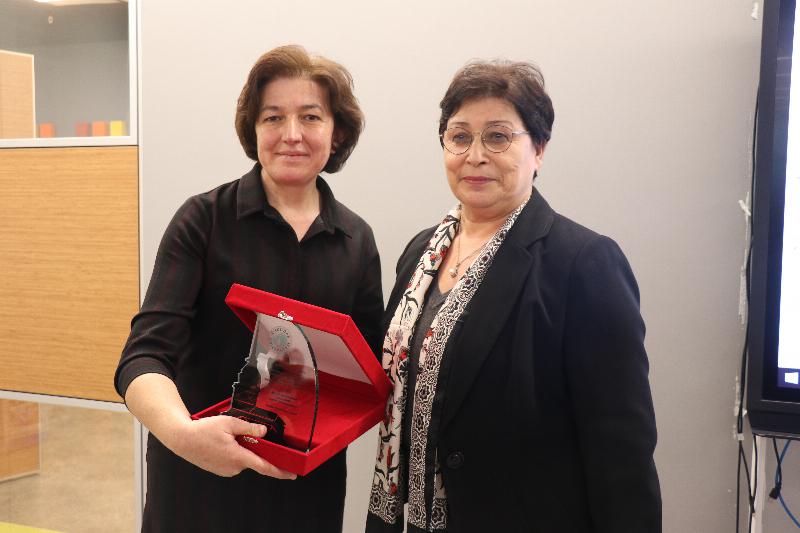
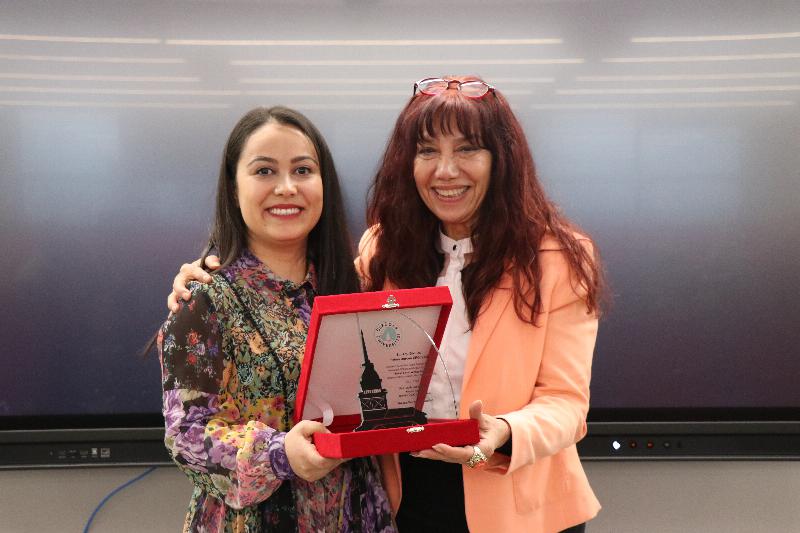
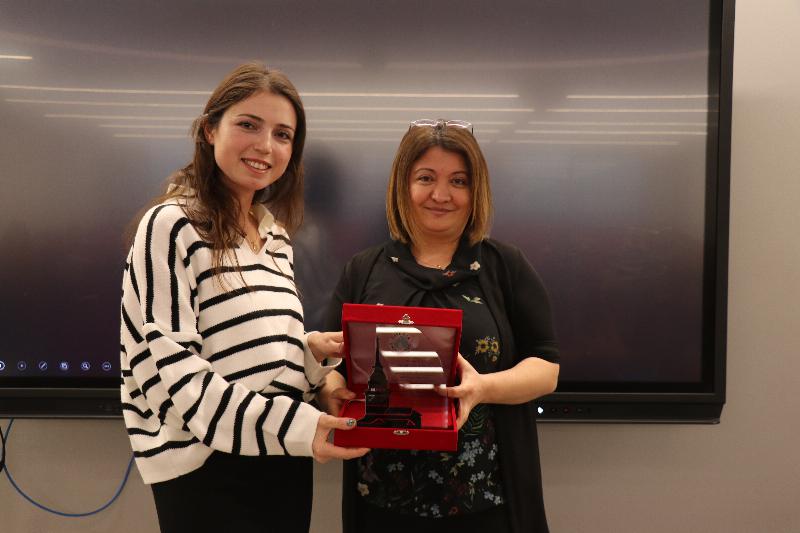
The panel concluded with a group photo session after plaques were presented to the participants as a token of appreciation.
Share
Update Date: March 01, 2026
Creation Date: January 26, 2023
Request a Call
Other News
- Üsküdar University participated in an international exhibition with a child rights perspective
- Solidarity Bazaar for Palestine from Üsküdar Residents
- In additional placements, don't just choose a department, choose the profession of the future!
- 52 Erasmus students from 15 different countries at Üsküdar University
- Visit to Prof. Nevzat Tarhan from the Global Confederation of Civil Society Organizations