

Prof. Dr. Tayfun Uzbay stated that in an era where information flow and communication have reached dizzying speeds, scientific research and development efforts for the treatment of brain-related diseases are gaining importance. He added that Üsküdar Üniversitesi Neuropsychopharmacology Application and Research Center (NPFUAM) is the first center in Turkey and one of the few in the world conducting studies in this field. “One of NPFUAM's most important goals is to develop a new and effective drug for schizophrenia,” said Prof. Dr. Tayfun Uzbay, adding, “In relation to this, the polyamine theory, a new approach, has been put forward, and supporting articles have been published. A comprehensive project aimed at obtaining a new drug patent and developing a drug has been prepared and will be submitted to TÜBİTAK in the first months of this year.”
Content
NPFUAM, The First in Turkey, One of the Few Centers in the World
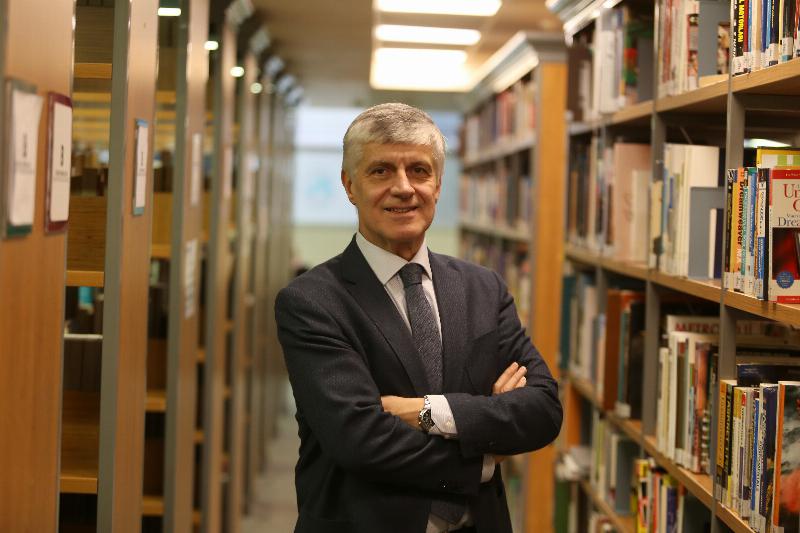
Prof. Dr. Tayfun Uzbay, Head of the Department of Internal Medical Sciences at Üsküdar Üniversitesi Faculty of Medicine, Rector's Advisor, and NPFUAM Director, provided information about the activities of the Neuropsychopharmacology Application and Research Center.
Brain research is very important for the 21st century
Prof. Dr. Tayfun Uzbay stated that with the new millennium, the world has entered a new era in terms of knowledge production and its transformation into technology, and during this period, studies related to the brain have gained importance. Prof. Dr. Tayfun Uzbay said the following:
“Even though information flow and communication have reached dizzying speeds today, our knowledge about brain functions is still limited. As a result, radical (root) treatment for important diseases and psychosocial problems directly related to brain functions, such as Alzheimer's disease, schizophrenia, Parkinson's disease, autism, depression, and substance addiction, is not yet possible with existing drugs. For this reason, in significant countries where the level of development in science and technology is indisputable, more resources are allocated to scientific research and development efforts for the treatment of brain-related diseases, and studies aimed at solving these diseases are accelerating. According to the statements of some prominent scientists, the current century will be a period where scientific studies focused on brain research will come to the forefront and important solutions for brain diseases will be presented. In this context, the United States of America, undeniably the best in the world in neuroscience research, has also declared the 21st century the 'century of the brain'.”
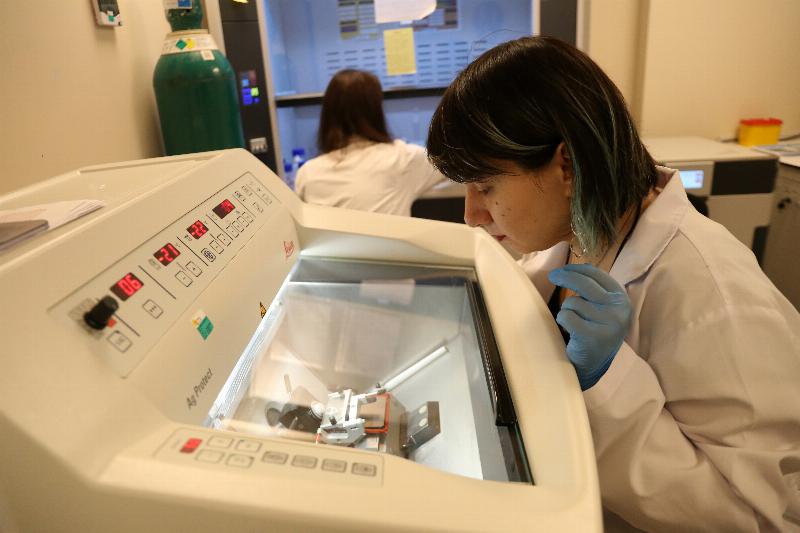
Üsküdar Üniversitesi is a thematic university focused on brain studies
Prof. Dr. Tayfun Uzbay emphasized that scientific research is of great importance in finding the causes of diseases and developing new drugs for treatment. He stated, “To conduct high-quality research in line with universal scientific standards, there is a need for appropriate laboratories, sufficient equipment within these laboratories, and well-trained scientists. Üsküdar Üniversitesi is a thematic university focused on brain research. It possesses an infrastructure where qualified scientific research and projects can be produced and conducted healthily with a multidisciplinary approach.”
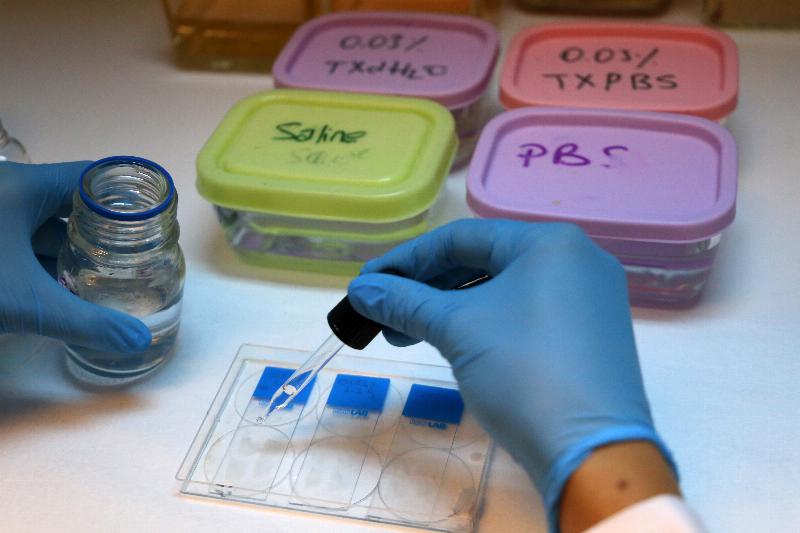
NPFUAM is the first of its kind in our country, one of the few centers in the world
Prof. Dr. Tayfun Uzbay stated that neuropsychopharmacology is an important and dynamic field of neuroscience that encompasses all research activities aimed at developing new and more effective drugs for the treatment of central nervous system-related diseases. He added, “It collaborates with many other independent disciplines such as biochemistry, molecular biology, genetics, and biophysics, in addition to psychiatry, pharmacology, neurology, and psychology. Neuropsychopharmacology research is conducted in many scientifically advanced countries. For these reasons, the Neuropsychopharmacology Application and Research Center (NPFUAM) was established at Üsküdar Üniversitesi, a thematic university focused on the brain. NPFUAM is the first center established in our country specifically focused on conducting such scientific research. It is also one of the few centers in the world with this function.”
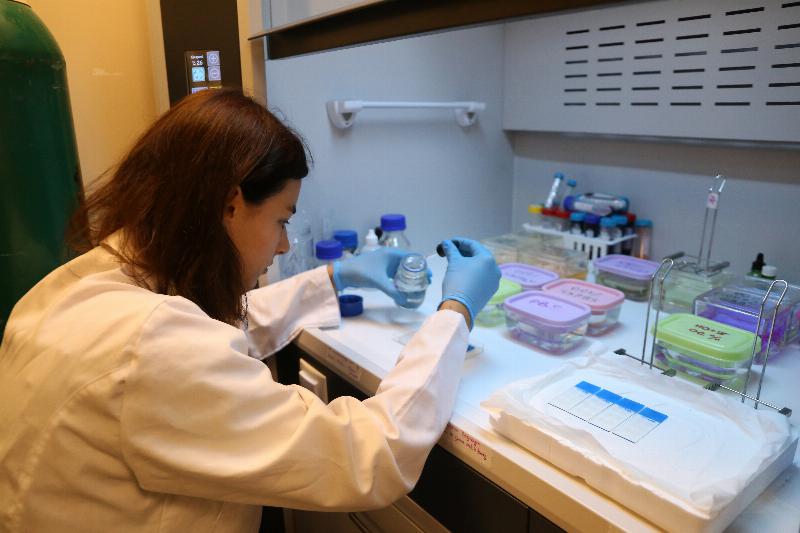
Studies on schizophrenia, substance addiction, autism, epilepsy are carried out
Prof. Dr. Tayfun Uzbay noted that NPFUAM officially began operations in 2014 after receiving a license from the relevant ministry and provided the following information about the work carried out at the center:
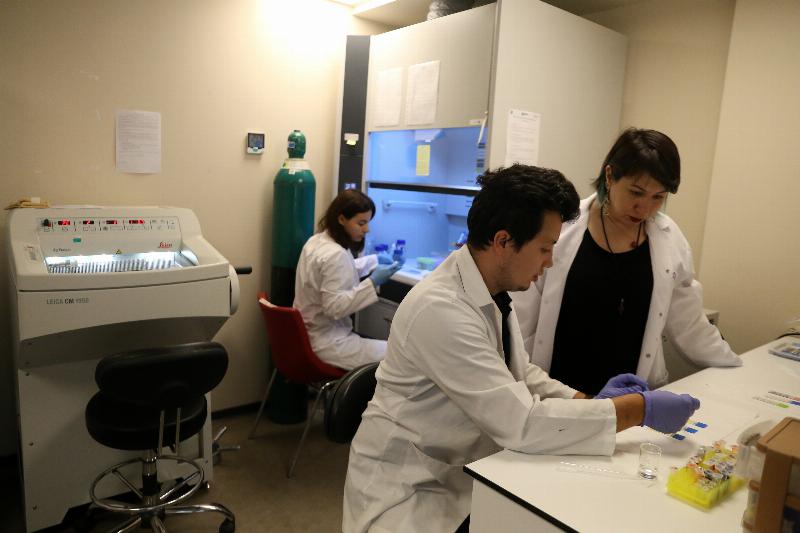
“It has a history of only 6 years. During this period, laboratories where brain diseases can be easily modeled and their behaviors examined have been established and put into operation. The laboratories adhere to international scientific and ethical standards in experimental neuropsychopharmacology. The center has successfully bred animals such as rats and mice used in experimental studies, adhering to international ethical and accreditation rules, and has utilized them in many studies. Studies on schizophrenia, substance addiction, autism, epilepsy, depression, anxiety, and Alzheimer's can be conducted in experimental animals. Work continues to understand the causes of important brain diseases, especially schizophrenia and substance addiction, and to develop new approaches for their treatment. The studies are not limited to behavior; in vitro research at molecular and genetic levels can also be carried out on the brains of experimental animals where diseases are modeled. Furthermore, the center has the capacity to conduct preclinical neuropsychopharmacological screening studies for newly synthesized neuropsychiatric drug candidates that may have a chance to enter treatment as drugs.”
We are creating a new autism model
Prof. Dr. Tayfun Uzbay noted that during this 6-year period, many postgraduate thesis studies, some supported by TÜBİTAK, have been completed at the center. He said, “Thus, support has been provided to the country's qualified academic infrastructure. In one of these theses, important data indicating the relationship between energy drinks and epileptic seizures, which is of great concern for public health, was obtained. In another study, efforts were made to create a more valid and detailed autism model in experimental animals. Our efforts to create a new autism model that allows practical and rapid work by supporting the results of this study with a software program are ongoing. The results of a recently published research article provide original and important information about the addiction potential of some drugs used during short-term anesthesia-requiring procedures.”
25 articles published in reputable international journals
Prof. Dr. Tayfun Uzbay noted that 25 articles have been published in prestigious journals listed in important international indexes, based on data obtained from studies conducted in NPFUAM laboratories since its establishment. He stated, “All of these studies were also supported by 8 different TÜBİTAK projects. In addition, there are 27 articles published in domestic journals, as well as 45 presentations at national and international conferences. Two book chapters, one of which is international, and 5 books have been published. Outside of Üsküdar Üniversitesi, 137 conferences have been given to inform and raise awareness among students and the public. Furthermore, participation has been provided in many programs on topics related to the field across all media, and informative interviews and reports have been given.”
The most important goal is to develop new and effective drugs for schizophrenia
Prof. Dr. Tayfun Uzbay stated, “One of NPFUAM's most important goals is to develop a new and effective drug for schizophrenia. In relation to this, the polyamine theory, a new approach, has been put forward, and supporting articles have been published. A comprehensive project aimed at obtaining a new drug patent and developing a drug has been prepared and will be submitted to TÜBİTAK in the first months of this year. NPFUAM can also provide clinicians or patients with information they need regarding the most effective application of neuropsychiatric drugs, considering their benefit/risk ratio, quickly and reliably to those who request it.”
NPFUAM offers scientific opportunities to students
Prof. Dr. Tayfun Uzbay stated that among NPFUAM's foundational objectives is to create an infrastructure that paves the way for the development of qualified scientists of the future. This is achieved through approaches that foster a passion for scientific research and motivation among students studying at Üsküdar Üniversitesi, by enabling willing and talented students to work in laboratories or participate in ongoing projects. Prof. Dr. Tayfun Uzbay said, “In line with this goal, many of our students were first given certificates through ministry-approved courses and training programs opened by NPFUAM, and then were directly taken into the laboratory to assist with existing projects. Some of them conducted their own projects with the guidance of their respective advisors. Most of these projects were supported by TÜBİTAK's relevant student incentive fund. Some of our students who gained skills in our laboratory are continuing their postgraduate education both domestically and abroad. Thus, students are encouraged to research, and talented and curious students are guided towards academia during their education.”
Prof. Dr. Tayfun Uzbay noted that the journals where data from studies conducted at NPFUAM are shared and the congresses where they are presented are globally recognized and reputable platforms. He stated, “Our center, which is only 6 years old, has the capacity to exchange information, collaborate with leading similar centers worldwide, and provide significant data to the relevant scientific field at least as much as they do. A new R&D structure has been established at Üsküdar Üniversitesi under the title ARGEYEP. NPFUAM, as part of this structure, will demonstrate itself not only through publishing qualified scientific articles but also through more effective discoveries and approaches in the future.”
Attention should be paid to the post-pandemic period, precautions must be taken
Prof. Dr. Tayfun Uzbay pointed out that the pandemic has once again demonstrated the importance of science and scientific work. He said, “Covid-19 should not be viewed solely as a respiratory system infection. Covid-19 is a virus that can also affect the central nervous system. It can lead to loss of smell and taste and some neurological problems. During the Spanish Flu pandemic, those who recovered from the disease later developed symptoms of lethargic encephalitis (a type of sleeping sickness) and Parkinson's. Approximately 5 million people fell ill this way. It is necessary to be vigilant and monitor its effects on the central nervous system and the brain. The social isolation resulting from the pandemic also negatively affects people's mental health. An increase in neuropsychiatric diseases is expected in the post-pandemic period. Therefore, vaccination and prevention efforts should be supported from this perspective as well.”
Share
Request a Call
Other News
- The book that read today's digital threats in 2014: Being a Conscious Family
- Experts warn: 'Instead of memorizing letters, teach pencil grip, scissor use, and coloring'
- School fear and school love both start in the family!
- Family is not merely transforming, it is being battered under a serious assault
- Artificial intelligence opens the door to early diagnosis in autism!