

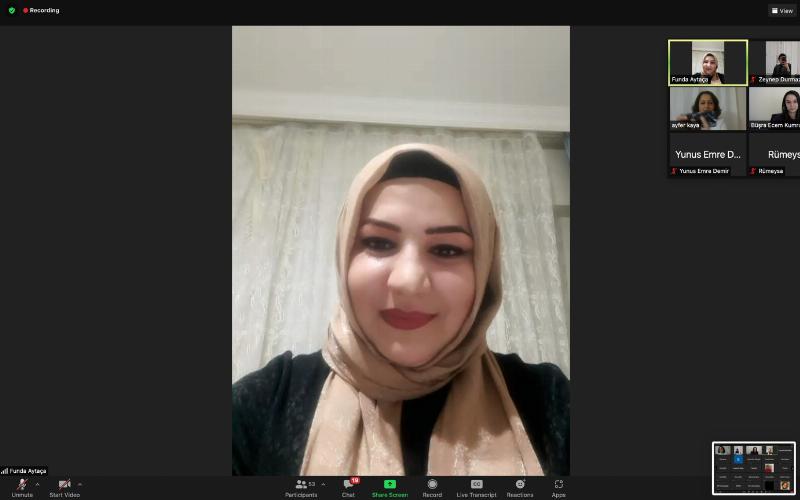
An event titled ‘The Position of the Operating Room Within the Hospital’ was organized by the Operating Room Services and Home Patient Care departments of Üsküdar University Health Services Vocational School. In the program, which hosted Funda Aytaç, General President of the Turkish Operating Room Technicians Association, the surgical process, which is highly important in healthcare, and the requirements for an ideal operating room were discussed. Aytaç specifically emphasized operating room sterilization: “If operating room sterilization is compromised, it must be reported to the team quickly, and precautions must be taken accordingly. Sterilization does not tolerate the slightest error.”
Content
The Importance of Operating Rooms, One of the Most Critical Areas in Healthcare, Discussed
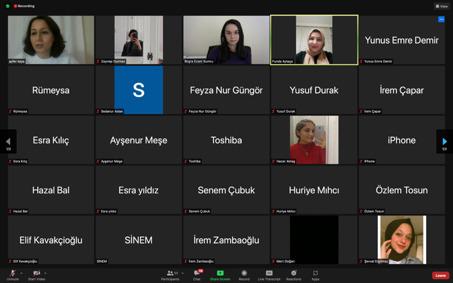
“Our Primary Duty is to Ensure Individual and Public Safety”
Making statements about the surgical period and operating room technicians, Aytaç said; “Our primary duty is to ensure the safety of individuals and society. In operating rooms, we protect patient privacy, provide physiological monitoring and psychological support. An operating room technician first queries whether the patient has allergies, previous surgeries if any, and which part of the body needs surgery. If the patient is stressed, they provide comfort and psychological support to prepare them for surgery. They position the patient. They check whether spinal or general anesthesia will be applied. They dress the surgical team, prepare their table, open the surgical pack, and check the indicator inside.”
“The Operating Room Must Be in a Quiet Location”
Referring to the location, features, and sterilization of the operating room, Aytaç stated; “The operating room must be in a quiet place. It should be on the upper or lower floors of the hospital. According to procedures, it is mandatory to be in a safe and silent location. The operating room should be free from dust, dirt, chemical substances, and radiation. Walls and floor coverings should be washable, cleanable, and made of bacteriostatic materials. Wall color should prevent glare and soothe the patient. Colors such as green, beige, light gold, or ice blue should be used. Each operating room should have a separate handwashing area, and sinks should be made of steel and deep. Faucets should be coated with an antiseptic solution and designed to be opened by foot or touch.”
‘‘Sterilization Does Not Tolerate Even the Slightest Error’’
Making statements regarding accidents that may occur in the operating room and measures to prevent them, Aytaç said; “Sometimes our circulating technicians may touch the table or something may spill while opening a package. If operating room sterilization is compromised, it must be reported to the team without concealment, and measures should be taken accordingly. We have green waterproof drapes. When preparing the operating table, a drape is placed on the table before preparing the surgical instruments. If an area is wet, another green drape is laid to cover it. Thus, its sterility remains intact. Sometimes, in orthopedic cases, external technical personnel come in. They might not pay close attention to sterility. When they touch something or use something incorrectly, they must be warned and corrected. Sterilization does not tolerate even the slightest error.”
‘‘Always Protect Patient Privacy’’
Stating that a small mistake can lead to very big problems, Aytaç said; “After entering the operating room, we must perform our work with military precision, completely and perfectly. Because if there is a loss, unfortunately, there is no turning back. Therefore, we must be very careful and proceed by doing everything under supervision and correctly. We must learn correctly because if we learn something incorrectly, we do it incorrectly and continue to teach it incorrectly. So let's learn correctly, always protect patient privacy, and handle arrangements with on-site practices.”
Share
Update Date: February 28, 2026
Creation Date: December 17, 2021
Request a Call
Other News
- Social responsibility courses moved to the field
- Erasmus+ Orientation Week completed at Üsküdar
- Prof. Nevzat Tarhan: “Brain secretes ‘dark glue’ in social media lynchers!”
- Prof. Nevzat Tarhan: “Every segment of society should be able to say, ‘This constitution is my constitution!’”
- OHS releases guide for safe operation of industrial robots